
Prioritizing range, battery longevity, and safety features like suspension and braking systems is essential when considering what to know before buying an electric scooter. Prospective owners should also research local traffic laws, insurance requirements, and portability factors such as weight and folding mechanisms to ensure the device meets their daily commuting needs.
Many commuters see the sleek design of a modern electric scooter and imagine a seamless transition to a greener lifestyle, yet they often overlook the hidden complexities that turn a smart purchase into a logistical headache. Choosing the wrong battery capacity or failing to account for local municipal regulations can lead to more than just frustration; it can lead to unnecessary financial risk. At Electric Ride Insurance, we believe that mobility should be liberating, not a liability. In this comprehensive guide, we will examine the technical specifications that actually matter for your daily commute. We will navigate the evolving legal landscape regarding registration and classification, and we will break down the true total cost of ownership. From evaluating whether a scooter or e-bike suits your needs to understanding why specialized coverage is nonnegotiable, this overview ensures your investment is both practical and protected.
Evaluating Your Needs: Electric Scooter vs E-Bike vs Electric Motorcycle

Choosing the right platform is the first step in understanding what to know before buying an electric scooter or any other micromobility device. The market is currently split into three distinct categories based on your daily range requirements, how much gear you need to carry, and where you plan to store the vehicle between rides.
Electric scooters are the premier choice for "last mile" urban transit. In a city like Dallas, a scooter is the most efficient tool for a short trip from Uptown to Deep Ellum. Their primary advantage is portability; most models fold down to fit under a desk or in a closet, making them ideal for apartment dwellers who lack secure garage space. However, they offer minimal cargo capacity and are generally limited to surface streets with lower speed limits.
E-bikes bridge the gap for those who need to carry groceries or a laptop bag without the physical exertion of a traditional cycle. They are better suited for longer urban commutes but are significantly heavier and harder to store than scooters. For high-speed transit or long-distance travel, electric motorcycles are the only viable option. A commute from Plano into Downtown Dallas requires the power and frame stability to navigate highway traffic safely, which smaller devices cannot provide.
Vehicle Type | Ideal Distance | Cargo Capacity | Portability |
|---|---|---|---|
Electric Scooter | 1 to 5 miles | Minimal (Backpack) | High (Folding) |
E-Bike | 5 to 15 miles | Moderate (Panniers) | Low (Needs rack) |
Electric Motorcycle | 15+ miles | Moderate to High | None (Street parked) |
Selecting the right vehicle also dictates your legal and financial responsibilities. Before you finalize a purchase, you should review e-scooter insurance information to see how coverage requirements shift as you move up in power and speed. Understanding how electric ride insurance works now will prevent surprises regarding registration or liability later.
Technical Specs: Range, Power, and Battery Life
Technical specifications are the foundation of your daily experience, but they are often the most misunderstood part of what to know before buying an electric scooter. The primary specification to scrutinize is range. Manufacturers typically calculate advertised range under ideal conditions, such as a 165 pound rider traveling on flat terrain at a constant 10 to 12 mph. In reality, Texas heat, wind resistance, and frequent stops at intersections will drain the battery faster. Buyers should always look for a 20 to 30 percent buffer over their required daily mileage to ensure they reach their destination without running out of power.
Motor power, measured in watts (W), is less about top speed and more about torque and hill-climbing ability. A 250W motor is sufficient for flat pavement, but if you need to navigate even moderate inclines or maintain speed against a headwind, a motor with a 500W sustained rating is preferable. Always distinguish between sustained (continuous) wattage and peak wattage; sustained power determines how the scooter handles consistent stress during your ride.
The battery capacity, measured in Watt-hours (Wh), dictates the total energy stored and is the best indicator of the vehicle's potential. However, lithium-ion cells suffer from natural degradation, typically losing significant capacity after 500 to 800 charge cycles, which equates to roughly two to three years of regular use. Because the battery is the most expensive component to replace, understanding how electric ride insurance works can help protect your investment against accidents that might damage these sensitive electronics. Before finalizing your purchase, get a specialized insurance quote to factor the protection of these high-value components into your monthly operating budget.
Understanding the Legal Landscape: Registration and Classifications
Navigating the legalities of micromobility is a vital part of what to know before buying an electric scooter. In most US states, including Texas, consumer grade e-scooters that max out at 15 to 20 mph are typically exempt from title and registration requirements. However, the market for hyper scooters is expanding rapidly. If you purchase a high performance model capable of exceeding 30 mph, the vehicle may be legally classified as a moped or even a motorcycle by the DMV. This distinction is critical; these classifications often require a valid driver's license, specialized plates, and specific lighting equipment to be street legal.
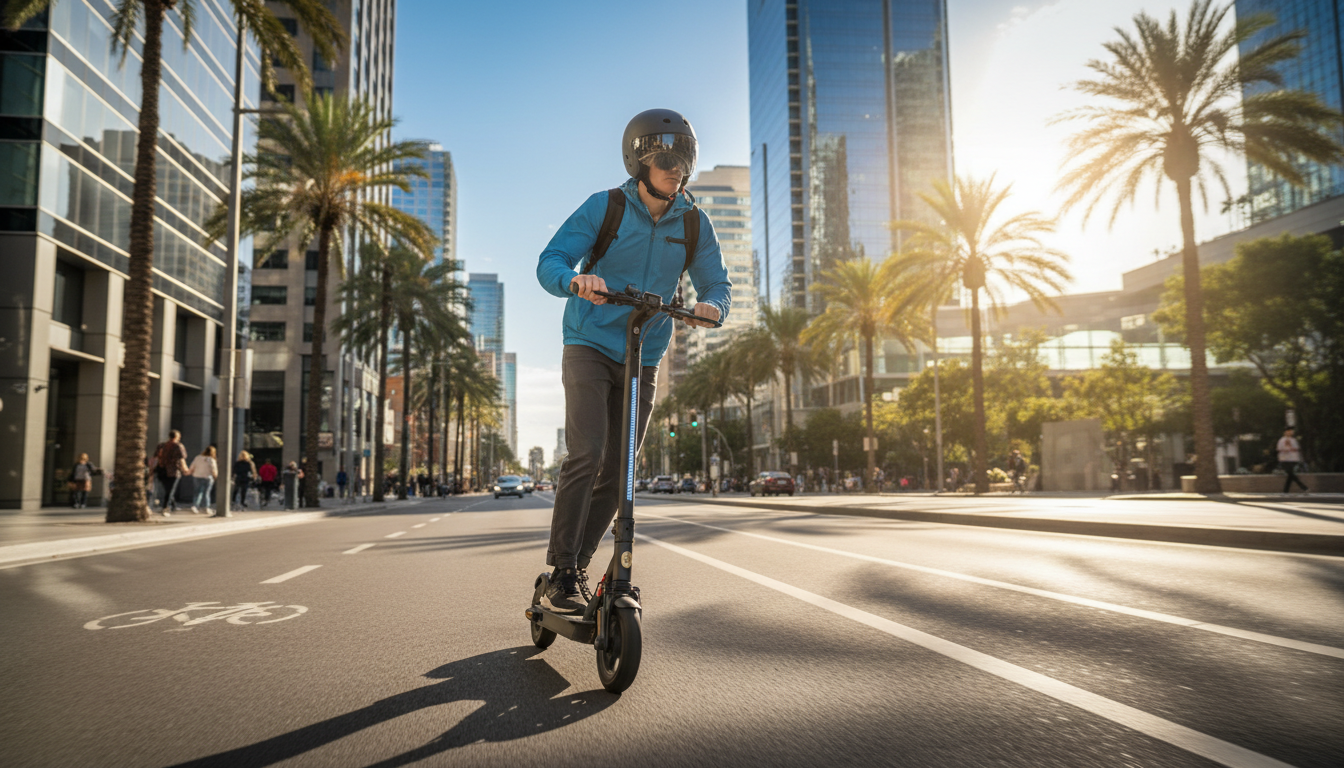
Local ordinances also dictate where you can actually ride. In Dallas, for instance, city code generally prohibits the operation of motorized scooters on sidewalks within the Central Business District or any area with high pedestrian traffic. Riders must stick to bike lanes or the right hand side of the road. Failing to distinguish between a recreational toy and a registered motor vehicle can lead to significant fines or impoundment.
Before you commit to a high speed model, reviewing e-scooter insurance information is essential. Insurance providers categorize these vehicles based on their top speed and motor output, which directly impacts your premiums and eligibility. Understanding how electric ride insurance works in relation to state classifications ensures you remain compliant with both local law and your policy terms.
Why Insurance is a Critical Part of Ownership

A common misconception among new owners is that existing policies provide a safety net, but this is a critical misunderstanding of what to know before buying an electric scooter. Standard homeowners or renters insurance policies almost universally exclude motorized vehicles once they leave your property. If your scooter is stolen from a rack outside a shop in Deep Ellum, or if you are involved in a collision on a public street, your residential policy will likely offer zero coverage for the loss or the resulting liability.
To protect yourself, you need a specialized policy that addresses the unique risks of micromobility. A comprehensive plan should include three specific pillars of coverage:
Liability: This is essential if you accidentally injure a pedestrian or damage someone else's property. Without it, a single accident could lead to personal lawsuits and significant out of pocket legal fees.
Collision: High quality electric scooters are significant financial investments. Collision coverage ensures that if your frame is bent or your motor is damaged in an accident, you can recover the value of the vehicle.
Medical Payments: Because riders are exposed, even minor spills can result in expensive emergency room visits. This coverage assists with your own medical bills following an incident.
Risk levels scale directly with the performance of the vehicle. A scooter limited to 15 mph presents a different risk profile than a high performance model capable of 40 mph. As speed increases, the potential for severe injury and property damage grows, which often necessitates more robust limits. Reviewing e-scooter insurance information helps you match your coverage to your scooter's specific power class. Understanding how electric ride insurance works before you start commuting ensures you are financially prepared for the realities of urban traffic. To see how these factors affect your costs, get a specialized insurance quote before finalizing your purchase.
The Real Total Cost of Ownership (TCO)
Moving from the protective necessity of insurance, riders must also account for the broader financial landscape of micromobility. Understanding the sticker price is only one part of what to know before buying an electric scooter; to avoid financial surprises, you must calculate the total cost of ownership (TCO) for the first year. Beyond the vehicle itself, safety gear represents the most immediate expense. A high quality MIPS rated helmet, which uses a Multi-directional Impact Protection System to reduce rotational forces during a fall, typically costs between $75 and $150. Adding reinforced gloves and high visibility lighting can quickly add another $100 to your startup budget.
Ongoing maintenance ensures your scooter remains a reliable tool rather than a liability. Most commuters should plan for tire replacements approximately every 500 miles, as small diameter scooter tires experience high friction and wear faster than bicycle tires. Brake pads also require inspection and replacement depending on your usage in stop and go city traffic. While the electricity required for charging is negligible, often costing less than $1.00 per month for daily commuters, recurring insurance premiums are a vital component of your TCO. Reviewing e-scooter insurance information helps you understand how these costs fluctuate based on your coverage limits.
Expense Category | Year 1 Estimated Cost |
|---|---|
Safety Equipment (MIPS Helmet, Gloves) | $150 to $250 |
Maintenance (Tires at 500 miles, Brakes) | $50 to $100 |
Insurance and Registration | $60 to $150 |
Total Hidden Cost Budget | $260 to $500 |
Budgeting a buffer of $200 to $400 in the first year ensures that you can handle mechanical wear and tear without compromising your safety. Before you commit to a specific model, it is helpful to see how electric ride insurance works to protect these additional investments in gear and parts. To get a precise figure for your annual operating costs, get a specialized insurance quote early in the shopping process.
Tips for First Time Riders and Safety Habits
Once you have budgeted for your gear, the next step in what to know before buying an electric scooter is mastering the ride itself. Beginners should never attempt their first commute in heavy traffic. Start by practicing in an empty parking lot to get a feel for the throttle sensitivity and braking distance. Electric motors provide instant torque, which can surprise those accustomed to manual kicks or bicycles.
In the Dallas area, be particularly cautious of DART light rail tracks. Crossing these at a shallow angle can cause narrow scooter wheels to track into the groove, leading to a sudden fall. Local street hazards like deep potholes on side streets also require constant vigilance, as the small wheel diameter of a scooter makes it less forgiving than a car or even a bike when hitting road imperfections.
Develop a habit of checking your tire pressure weekly. Maintaining the manufacturer recommended PSI is the best way to prevent pinch flats, the most frequent mechanical failure for new riders. A pinch flat occurs when an under-inflated tube is squeezed against the rim during an impact, often ruining both the tube and the tire.
While these habits reduce risk, they do not eliminate it. Understanding how electric ride insurance works provides a fallback for incidents that skill alone cannot prevent. Reviewing e-scooter insurance information allows you to see how liability and medical coverage protect you in high-traffic urban environments. To ensure you have the right protection before your first trip, get a specialized insurance quote to cover your new vehicle.
What to Look for When Buying a Used Electric Scooter
Purchasing a pre-owned model is a cost-effective entry into micromobility, but it requires a rigorous technical inspection. When determining what to know before buying an electric scooter second hand, use the following checklist to ensure the vehicle is safe and insurable:
Odometer and Battery Health: High mileage, typically over 1,000 miles, signals that the battery is approaching its mid-life degradation phase. Perform a voltage drop test by watching the display during full acceleration; a significant, sustained drop indicates worn lithium-ion cells that may soon require replacement.
Structural Integrity: Inspect the folding mechanism for hairline cracks or structural play. Because this hinge bears the brunt of road vibrations, metal fatigue here is a critical failure point that compromises rider safety.
Original Components: Verify that the motor, battery, and speed controller have not been modified or replaced with aftermarket parts.
Be cautious, as most insurance agencies refuse coverage for home-built or heavily modified scooters due to increased fire and liability risks. Reviewing e-scooter insurance information reveals that a stock configuration is vital for policy eligibility. Understanding how electric ride insurance works for used vehicles ensures you do not buy a machine that is impossible to protect. To secure your investment, get a specialized insurance quote before finalizing the sale.