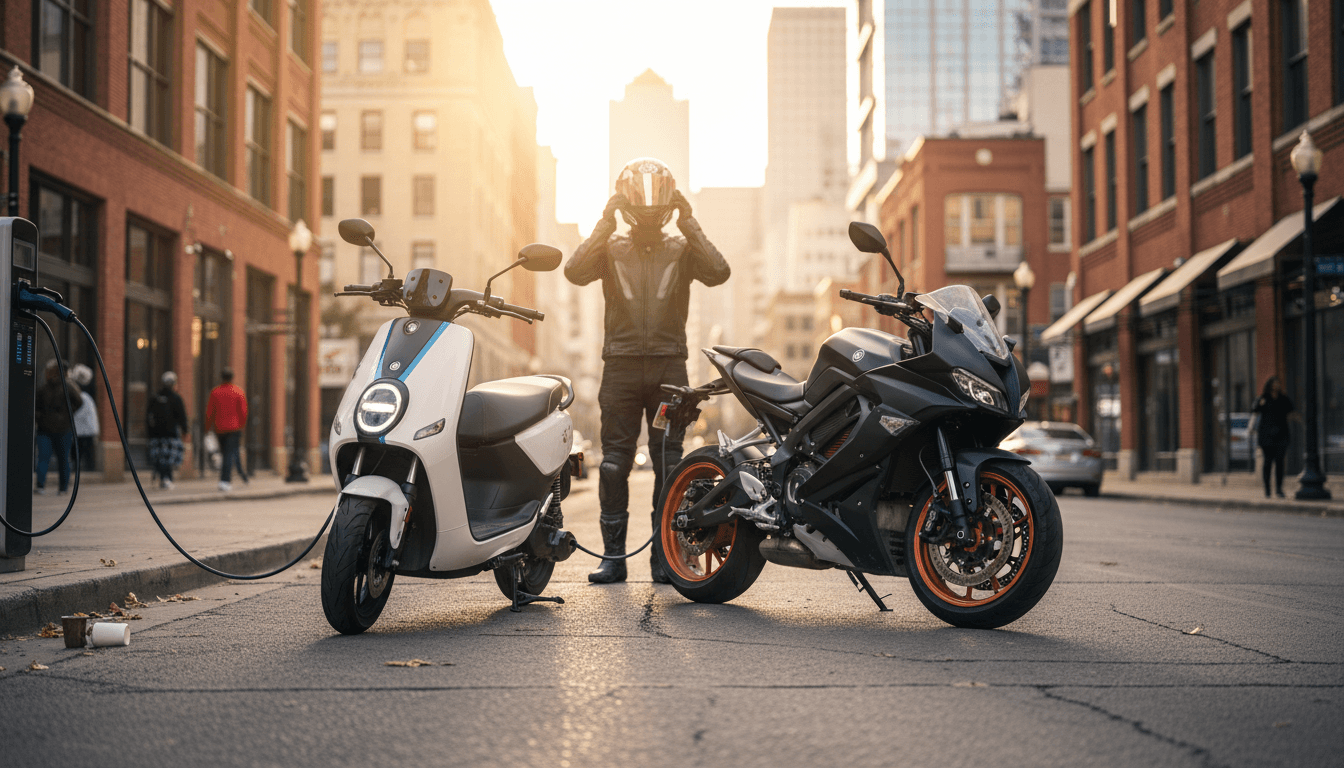
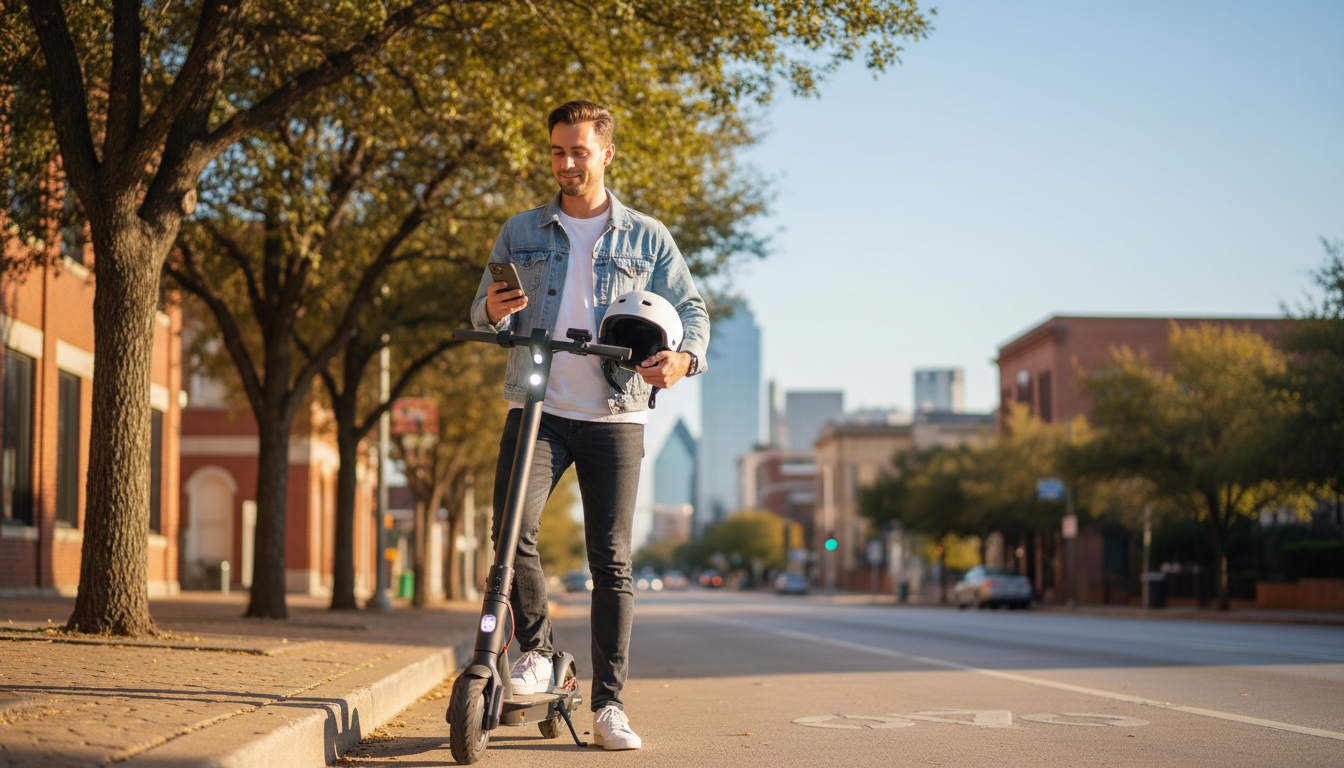
Electric scooter insurance is essential for riders across the US because it provides vital financial protection against theft, property damage, and liability claims resulting from accidents on busy streets. These policies ensure that riders can cover unexpected medical expenses and legal costs; furthermore, they offer peace of mind by mitigating the high financial risks associated with operating micro-mobility vehicles in cities and towns nationwide.
Navigating the streets of any American city on an electric scooter offers unparalleled freedom from gridlock; however, it also exposes riders to significant financial risks. Many owners operate under the false assumption that their standard renters or homeowners policies provide a reliable safety net for their e-ride. In reality, these traditional plans often exclude motorized micro-mobility devices entirely, leaving you vulnerable to the escalating costs of theft or third-party liability claims. Understanding the specific nuances of your state's laws and the unique hazards of urban traffic is essential for protecting your investment. In this comprehensive guide, we analyze why specialized coverage is a necessity for the modern commuter. You will learn about the critical gaps in general insurance, the legal landscape across the country, and how to select a policy that ensures your ride remains protected against every unforeseen circumstance.
Understanding the Surge of Electric Rides Across the US
Cities and towns across the US have seen a significant shift in how people move. From daily commuters weaving through downtown centers to leisure riders enjoying local trail systems on a Saturday afternoon, electric micromobility has transformed our infrastructure. Personal ownership of high-performance e-scooters and e-bikes has skyrocketed, moving beyond the casual rental to becoming a primary mode of transportation for millions of Americans.
As these devices become faster and more integrated into traffic, a dangerous misconception persists. Many riders believe that because these vehicles are not traditional cars or motorcycles, they do not require specialized coverage. The reality is that the financial and legal risks do not disappear just because you are on two wheels instead of four. Accidents happen, and the cost of property damage or medical bills can be staggering.
Navigating the complexities of electric scooter insurance requires a nationwide perspective. At Electric Ride Insurance, we work with riders in cities and towns across the country. We understand that the unique mix of urban density, growing trail systems, and varied local regulations presents specific challenges for riders everywhere. Our goal is to serve as a specialized resource, connecting you with the coverage necessary to protect your investment and your liability no matter where you ride.
Is Electric Scooter Insurance Legally Required in the US?
Electric micromobility laws vary significantly from state to state. In most states, Class 1, 2, and 3 e-bikes are generally regulated the same way as traditional bicycles, meaning they do not require a license, title, or registration. Stand-up electric scooters follow a similar path; they are typically exempt from the registration requirements that apply to motorcycles or cars. While this lack of red tape makes getting on the road easier, it creates a significant gap in financial protection.
The absence of a legal mandate to carry a policy does not equate to an absence of liability. If you collide with a pedestrian or scratch a parked vehicle, you are personally responsible for the resulting costs. In the eyes of civil law, the operator of the vehicle is liable for damages regardless of whether the state requires a license plate for that vehicle. Without a dedicated policy, your personal savings are the only buffer between you and a costly legal judgment.
Riders must also navigate specific municipal ordinances that add another layer of risk. Many cities prohibit riding e-scooters on sidewalks to ensure pedestrian safety, and several impose speed limits for these devices on public roadways. Violating these local regulations can be used as evidence of negligence in a personal injury lawsuit. Securing electric scooter insurance ensures that a momentary lapse in judgment or an unavoidable accident does not lead to a devastating out-of-pocket settlement. By distinguishing between what is required by the DMV and what is required for personal financial security, riders can better prepare for the realities of riding in any American city.
The Homeowners and Renters Insurance Gap

A frequent mistake among riders is assuming that their existing homeowners or renters insurance policy covers their new e-bike or e-scooter. Because these devices are kept inside an apartment or garage, owners often treat them as personal property similar to a bicycle or a high end television. However, the fine print of standard insurance contracts tells a different story. Most policies across the US utilize standard ISO language that contains a specific motorized vehicle exclusion clause. This clause generally states that the policy does not cover any vehicle designed for flight or for use on public roads that is powered by a motor.
While traditional bicycles are covered under the personal property section of a renters policy, the addition of a motor changes the classification entirely. Even if your scooter is not subject to DMV registration, insurance carriers often view it as a motorized vehicle, which triggers the exclusion. This means that if a high performance scooter is stolen from a third floor balcony, the insurance company will likely deny the claim, leaving you to cover the full replacement cost out of pocket.
The gap extends beyond theft to liability and property damage. Consider the risk of a lithium ion battery fire. If a scooter battery malfunctions while charging in a garage or townhome and causes significant smoke or fire damage, a standard homeowners policy may refuse to cover the damages because the source of the fire was an excluded motorized vehicle. Furthermore, the personal liability portion of your home insurance typically stops at the front door. The moment you transition from your driveway to a public street, you are effectively uninsured for any accidents or injuries you might cause. Specialized electric scooter insurance is designed specifically to fill these voids, providing the property and liability protections that traditional residential policies were never intended to offer.
Essential Coverage Types for E-Scooters and E-Bikes
Bridging the gap left by standard residential policies requires an understanding of the specific pillars of coverage designed for micromobility. A specialized policy is not a generic add-on; it is a modular suite of protections tailored to the unique risks of riding in American cities and towns. Understanding these four essential coverage types helps you build a safety net that protects both your bank account and your ability to stay mobile.
Liability Coverage: This is the most critical component for any rider. If you are navigating narrow, crowded streets in a busy downtown district and accidentally clip a pedestrian or dent the door of a parked vehicle, the financial consequences are immediate. Liability coverage handles the legal defense costs and settlements for bodily injury or property damage you cause to others. In a litigious environment, this protection ensures a single mistake does not result in a devastating personal judgment.
Theft Protection: Urban centers and transit hubs across the country are unfortunately prime targets for opportunistic theft. Specialized electric scooter insurance often provides replacement cost coverage, which is a significant upgrade over the depreciated value typically offered by other insurance types. If your $3,000 e-bike is stolen from a bike rack near a transit station, this coverage allows you to purchase a brand-new equivalent model rather than receiving a fraction of what you originally paid.
Collision Coverage: Accidents do not always involve other people. A spill on a slick patch of pavement or a collision with a fixed object can cause extensive damage to your vehicle. Collision coverage pays for the repair or replacement of your e-scooter or e-bike itself. Given the high cost of specialized lithium batteries and proprietary motor components, repair bills can easily exceed a thousand dollars, making this coverage essential for protecting your physical investment.
Medical Payments (MedPay): Even if you have private health insurance, high deductibles and co-pays can leave you with significant out-of-pocket expenses after an accident. MedPay is designed to cover the rider's immediate medical bills regardless of who was at fault. This includes emergency room visits, diagnostic imaging, and even follow-up physical therapy, providing a crucial financial buffer while you recover.
The Rising Cost of E-Ride Theft in US Cities
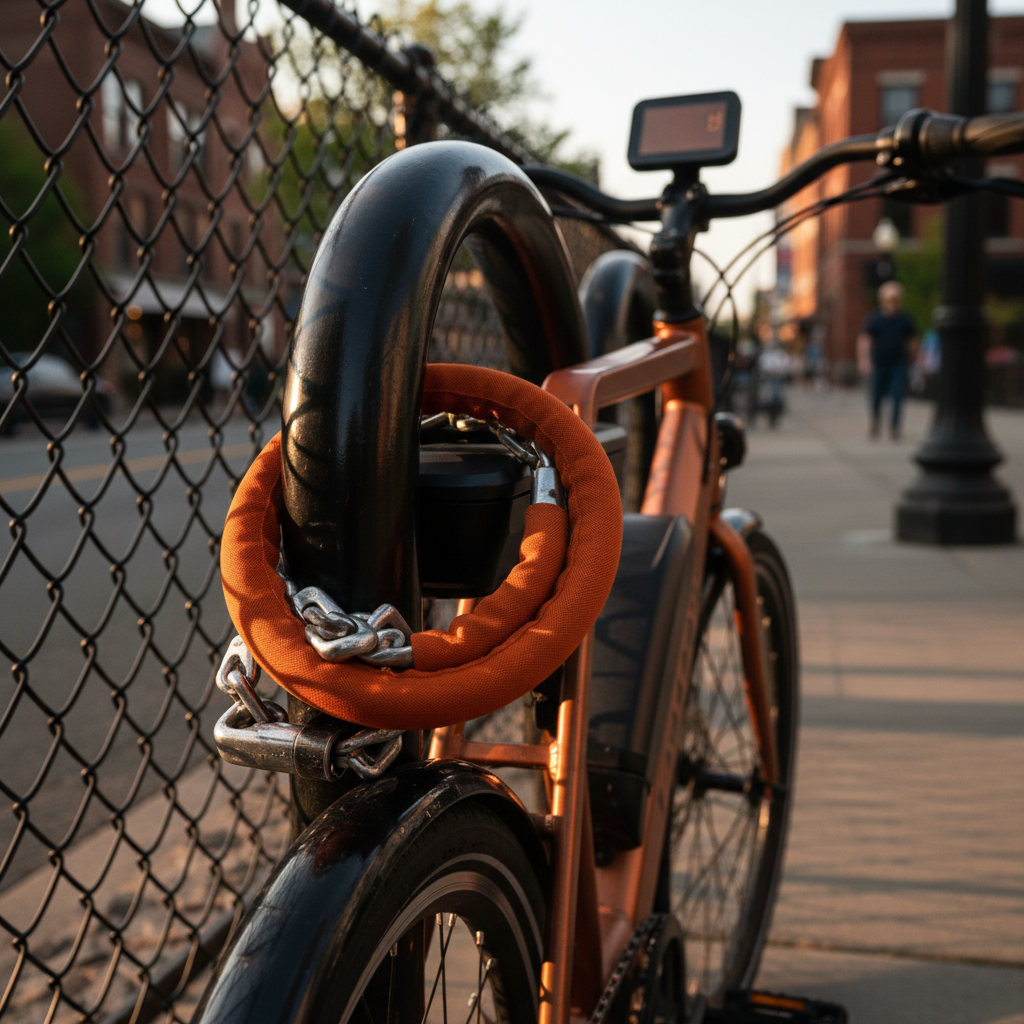
As you navigate high density downtown areas, the visibility of premium electric rides attracts sophisticated theft operations. Thieves increasingly target high performance scooters and long range e-bikes because these assets frequently retail between $2,000 and $5,000 and remain relatively easy to transport and fence. While investing in a heavy duty U-lock or a hardened steel chain is a necessary baseline for any rider, physical hardware alone is often insufficient against battery powered angle grinders that can slice through metal in seconds.
Relying solely on a lock leaves your multi thousand dollar investment vulnerable to a few minutes of quiet labor. In cities nationwide, where transit hubs and public bike racks are prime hunting grounds for thieves, the only reliable way to recoup your loss is through a policy that covers the full replacement cost. A specialized electric scooter insurance plan ensures that a cut lock does not result in a total financial loss; this allows you to get back on the road without paying for the same vehicle twice.
How to Choose the Best Electric Scooter Insurance Policy
Finding the right policy requires looking past the monthly premium to the specific terms of the contract. The most critical choice involves how the insurance company values your vehicle. Many standard policies use Actual Cash Value, which factors in depreciation from the moment you leave the shop. For a high performance scooter that loses value quickly, this can leave you short thousands of dollars after a total loss. Instead, prioritize policies offering Agreed Value coverage. This ensures that in the event of a total loss, the insurer pays the amount you both agreed the vehicle was worth at the start of the policy, usually reflecting the original purchase price.
Next, analyze the deductible structure. A higher deductible will lower your monthly payment, but it must remain an amount you can comfortably pay if you have an accident. Because e-scooters are often more affordable to repair than cars, a $500 deductible might consume most of a minor repair claim. Compare how different agencies scale these costs against the total value of your ride to find a balance that fits your budget.
Avoid the common trap of trying to force your micromobility device into a standard motorcycle or auto policy. Traditional agents often lack the underwriting tools to categorize these vehicles correctly, which can lead to coverage gaps or inflated premiums. Electric Ride Insurance simplifies this search by serving as a bridge to specialized providers. We connect you with agencies that specifically understand the nuances of electric scooter insurance, ensuring your policy is built for the specific risks of riding in cities and towns across the US rather than a generic highway vehicle.