Electric scooter theft insurance provides specialized coverage that reimburses the replacement cost of your scooter and its battery if they are stolen from public racks, transit hubs, or private garages. Since standard homeowners and auto insurance policies frequently exclude motorized vehicles or carry high deductibles, a standalone policy ensures you are fully protected against significant financial loss.
Walking back to the spot where you locked your electric scooter only to find a severed cable and an empty space is a sinking feeling every urban commuter fears. As micromobility becomes a cornerstone of modern transportation, organized theft has evolved to target not just the vehicle itself, but the expensive lithium-ion batteries that are easily stripped and resold. Relying on standard homeowners or renters policies often leaves riders with significant coverage gaps and high deductibles that exceed the value of the ride. This guide provides an expert look at the specialized world of electric scooter theft insurance. You will learn how to identify robust policy coverage, the critical importance of specific lock requirements, and how to safeguard your battery from opportunistic thieves. We will also outline the essential steps to take if your ride is stolen to ensure you are never left stranded.
The Rising Risk: How Common is Electric Scooter and E-Bike Theft?
In major urban hubs like Dallas, Austin, and New York, the rapid adoption of micromobility has created a lucrative market for crime. As electric rides become common sights on city streets, they have become primary targets for opportunistic thieves who view them as high-value, low-risk assets. Unlike passenger vehicles, which require keys and have extensive VIN tracking, scooters and e-bikes are relatively easy to "part out." Components like motors, controllers, and displays can be stripped and resold on secondary markets without a traceable paper trail; this makes recovery nearly impossible once the unit is disassembled.
Riders often ask how common these thefts actually are. Data from metro police departments indicates that high-traffic transit hubs, such as DART stations in Dallas, and sprawling college campuses are significant hotspots. These locations offer thieves a high density of targets and quick escape routes. Because a thief can cut a low-quality cable lock in seconds, relying solely on physical security often leaves riders vulnerable.
For those navigating these high-risk environments, looking to find a theft protection policy is a practical step toward mitigating the financial impact of a total loss. Relying on specialized electric scooter theft insurance ensures that the cost of a stolen ride does not derail your daily transportation needs. Commuters in high-density areas must recognize that these devices are currently the most targeted assets in the micromobility sector.
The Battery Theft Problem: Why Your Power Pack is the New Target

A significant trend overlooked by many general insurance providers is the targeted theft of the power pack itself. In the micromobility world, the battery is the most valuable single component; it typically accounts for 40 to 50 percent of the total retail cost of an electric scooter or e-bike. Thieves have shifted their focus to these units because they offer the highest return on investment with the lowest risk of detection.
The portability of the battery is its greatest vulnerability. Unlike the vehicle frame, which is bulky and often carries a stamped serial number, most batteries lack unique tracking identifiers. This anonymity makes them exceptionally easy to sell on secondary markets or use as replacement parts for other builds. For owners of machines with removable batteries, the risk is compounded. While a removable design offers charging convenience, leaving the pack locked only by a manufacturer's often flimsy key mechanism makes it an easy target for a pry bar.
Integrated batteries, which are housed inside the frame, offer more physical security but are not immune to theft if the entire unit is taken. When evaluating e-scooter insurance coverage, it is critical to confirm that the policy treats the battery as a covered component rather than an accessory. Because the financial loss of a stolen battery can rival the cost of a mid-range commuter scooter, specialized electric scooter theft insurance becomes a necessity for those who park in public spaces. This protection ensures that if a thief strips your ride of its power source, you are not left paying out of pocket for the most expensive part of your vehicle.
Does Homeowners or Renters Insurance Cover Electric Scooter Theft?
While the battery represents the most significant financial risk, many riders assume their existing homeowners or renters insurance acts as a safety net. This is a dangerous misconception. Most standard policies contain a motorized vehicle exclusion that specifically removes coverage for any device equipped with a motor. Even if your scooter is stored inside your Dallas apartment or Austin garage, the insurance company may classify it similarly to a motorcycle or car, leaving you with zero protection in the event of a break-in.
Financial feasibility is another major hurdle. Standard home policies often carry deductibles ranging from 500 to 1,000 dollars. For a rider with a mid-range 800 dollar commuter scooter, filing a claim is mathematically illogical; the deductible often exceeds the total replacement cost. Furthermore, homeowners insurance typically focuses on named perils occurring at the primary residence. If your ride is stolen from a bike rack at a transit station or a grocery store, your policy might not apply at all.
Before assuming you are protected, you must verify e-scooter insurance coverage details with your provider. Ask your agent these specific questions to identify gaps in your current plan:
Question for Insurance Agent | Why It Matters |
|---|---|
Does this policy exclude motorized vehicles with a top speed over 15 mph? | Many policies only cover low-speed toys or traditional bicycles. |
Does personal property coverage apply if the theft occurs away from my home? | Theft frequently happens at work or transit hubs. |
Is there a sub-limit on sports equipment or electronic devices? | Policies may cap payouts for specific categories regardless of total value. |
If these questions reveal gaps, you may need to find a theft protection policy designed for micromobility. Owners of pedal-assist cycles should also investigate specialized e-bike policies to ensure their specific class of vehicle is fully protected.
Understanding Electric Scooter Theft Insurance: What is Actually Covered?
Transitioning from the limitations of a standard home policy, specialized electric scooter theft insurance provides a comprehensive safety net designed for the reality of urban commuting. The most significant advantage is the valuation method used during a claim. Most standard insurance policies pay out based on Actual Cash Value, which subtracts depreciation from the original purchase price. For a scooter used daily in the Texas heat, that depreciation is steep. Specialized policies often provide Full Replacement Value, ensuring you receive enough funds to purchase a brand-new unit of the same or similar specifications.
Beyond the frame itself, these policies address the component theft issue directly. Owners frequently ask if insurance covers a stolen e-bike battery. When you find a theft protection policy through a specialized provider, the battery is generally treated as an integral part of the vehicle. This means if a thief prys the battery off your frame while you are at work, the loss is covered. Many specialized e-bike policies are particularly robust in this area, recognizing that the power pack is the most expensive asset on the ride.
Geographic flexibility is the third pillar of this coverage. Specialized e-scooter insurance coverage is not tethered to your primary residence. It remains active whether your ride is in a Dallas apartment garage, locked at a downtown DART station, or parked at a suburban office park. Furthermore, the financial barrier to filing a claim is significantly lower. While a 1,000 dollar deductible on a home policy makes it impossible to claim a stolen 800 dollar scooter, specialized plans often feature deductibles as low as 100 dollars. This structured approach ensures the policy is actually usable for the most common theft scenarios.
Feature | Homeowners/Renters Insurance | Specialized Electric Scooter Insurance |
|---|---|---|
Payout Basis | Actual Cash Value (Depreciated) | Full Replacement Value (New) |
Standard Deductible | Often $500 to $1,000 | Frequently $100 to $250 |
Coverage Range | Typically limited to home or car | Anywhere in the U.S. and Canada |
Component Focus | Likely excluded as motorized parts | Batteries and motors explicitly covered |
The Fine Print: Lock Requirements and Policy Compliance
Simply purchasing a policy does not guarantee a payout if your ride is stolen. Every electric scooter theft insurance contract includes "duty of care" clauses that require specific security measures. Most specialized providers demand that you use a lock with a recognized security rating, such as Sold Secure Silver or Gold. Using a cheap cable lock from a big-box store often violates these terms, rendering your e-scooter insurance coverage ineffective during a claim.
Even a momentary lapse in judgment can be costly. Leaving your scooter outside a Dallas coffee shop for "just a minute" while it is unsecured can void your coverage entirely. Insurers require the vehicle to be locked to a fixed, immovable object at all times when unattended. To ensure you can successfully find a theft protection policy that pays out, keep the original receipt for your approved lock. It is also a professional best practice to take a timestamped photo of your scooter properly secured when parking in public. This documentation provides the necessary proof that you met all policy requirements before the theft occurred.
How to Prevent Electric Scooter Theft: Essential Security Gear
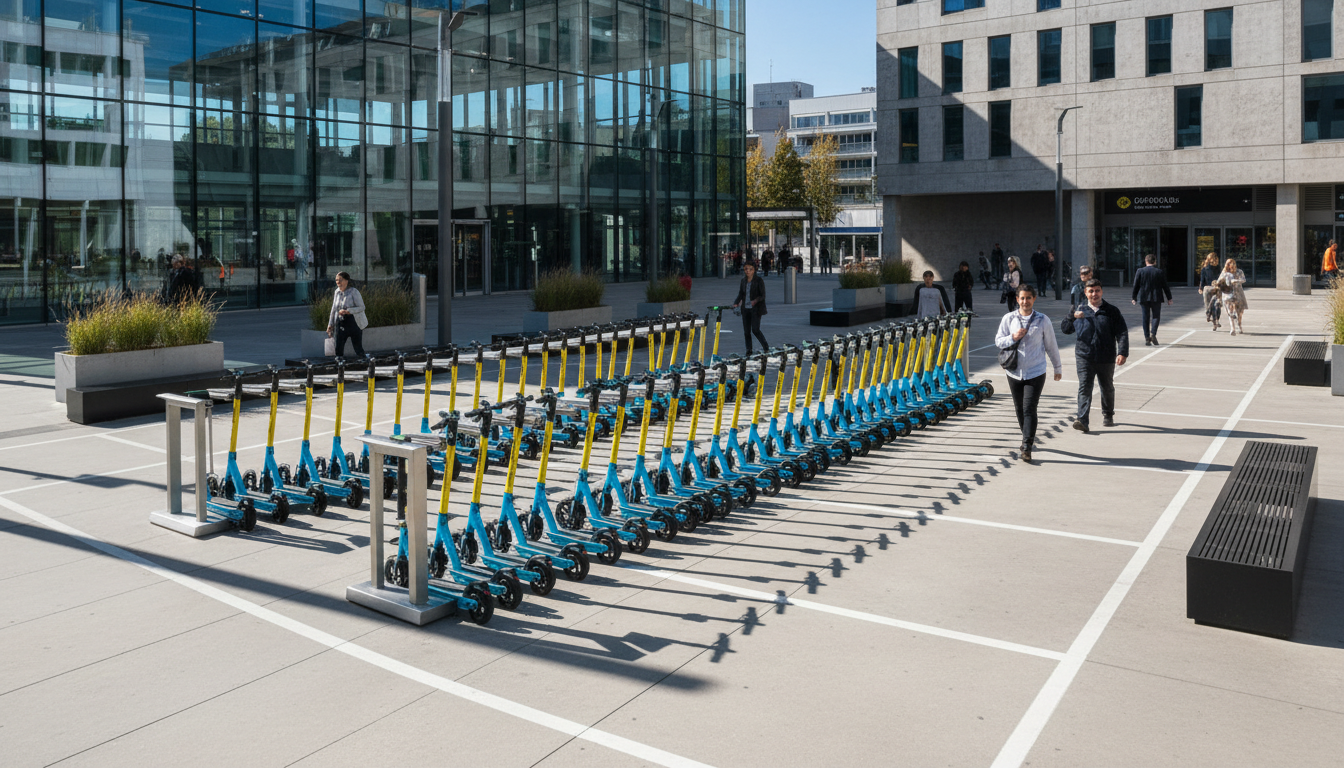
Physical security begins with selecting hardware that matches the high value of your machine. Cable locks offer the least protection; they are easily defeated by basic wire cutters and should only be used to secure accessories like helmets. Heavy-duty chain locks provide better security and flexibility for odd-shaped anchors, but they are often bulky to carry. The gold standard for micromobility remains the U-lock. A high-quality U-lock, particularly one with a Sold Secure Gold rating, resists most manual bolt cutters and requires loud power tools to breach.
Lock Type | Security Level | Best Use Case |
|---|---|---|
Cable Lock | Low | Securing accessories (helmets, bags) |
Chain Lock | Medium | Locking to oversized pillars or multiple bikes |
U-Lock | High | Primary frame security to a dedicated rack |
Professional thieves in high-traffic areas often target single points of failure. To counter this, adopt a multi-layered security strategy. Secure the main frame with a U-lock and add a secondary disc lock with a built-in motion alarm to the wheel. This creates both a physical barrier and an auditory deterrent. Always verify that your chosen anchor is a permanent, hardened metal fixture. Avoid wooden fences, thin signposts, or chain-link fences that can be bypassed in seconds with a hacksaw. Even with the best gear, physical locks are only half the battle. To fully mitigate risk, you should find a theft protection policy that provides a financial safety net if your physical defenses are overcome. Riders who invest in high-performance equipment should also consider how specialized e-bike policies or e-scooter insurance coverage can supplement these physical measures by covering the loss if a thief successfully cuts through your hardware.
Smart Security: GPS Trackers and Battery Locks
Digital security layers complement physical hardware but serve a distinct purpose. Bluetooth trackers like AirTags or Tile provide a low cost recovery option, while dedicated GPS units with cellular connectivity offer precise, real-time location data. While these tools facilitate recovery, they do not prevent the act of theft itself. They should be viewed as a secondary line of defense that works alongside the Sold Secure locks required by most electric scooter theft insurance providers.
Battery protection requires a similar dual-pronged strategy. If the manufacturer's locking mechanism feels flimsy, invest in a third-party battery lock or, ideally, remove the power pack when parking in high-traffic areas like downtown Dallas. Proactive tech use can also yield financial benefits. When you find a theft protection policy, check for premium discounts associated with active GPS tracking. Some specialized insurers reduce rates for riders who maintain a recovery-ready status, as it significantly increases the likelihood of retrieving a stolen unit before it is stripped for parts.
Action Plan: What to Do if Your Electric Ride is Stolen
Discovery of a missing ride often triggers a sense of panic, but a disciplined response is your most effective tool for recovery or securing a payout. If you find your lock cut or your battery compartment emptied, follow this immediate action plan to satisfy policy requirements and aid law enforcement.
File a Police Report Immediately: This is a mandatory prerequisite for almost all electric scooter theft insurance claims. Provide the officer with the exact location, time window, and the serial number of the unit. Ensure you receive a physical or digital copy of the report, as your insurer will require the case number to initiate a file.
Canvass for Surveillance: Look for doorbell cameras or commercial CCTV within a one block radius. Most businesses will not release footage to individuals, but they may preserve it if notified quickly. Inform the police if you identify a camera that likely captured the incident.
Notify Your Insurer within 24 Hours: Delayed reporting can lead to denied claims. When you contact your provider to activate your e-scooter insurance coverage, have your pre-theft photos and lock receipts ready to prove compliance with your duty of care clauses.
Monitor Secondary Markets: Set automated alerts on platforms like Facebook Marketplace, Craigslist, and OfferUp. Use specific keywords like the brand name, model, and any unique modifications. If you locate your ride, do not attempt a recovery yourself; notify the police with the listing link.
Maintaining a digital 'theft folder' with your serial number, proof of purchase, and high resolution photos of your ride is essential for a smooth claim process. If you have not yet secured your ride, you should find a theft protection policy now to ensure you have these protocols in place before an incident occurs. For riders of pedal assist units, verifying specialized e-bike policies can offer similar structured recovery support and financial protection for high value batteries.
Protecting your electric scooter and its expensive battery requires more than just a heavy lock. Modern theft techniques mean that having a dedicated insurance policy is the most reliable way to secure your investment and your peace of mind. Navigating the world of premiums and coverage limits can feel overwhelming. If you want expert help choosing the right plan for your specific needs, we are here to assist. You can see how we simplify the process by visiting our How It Works page to get started today.