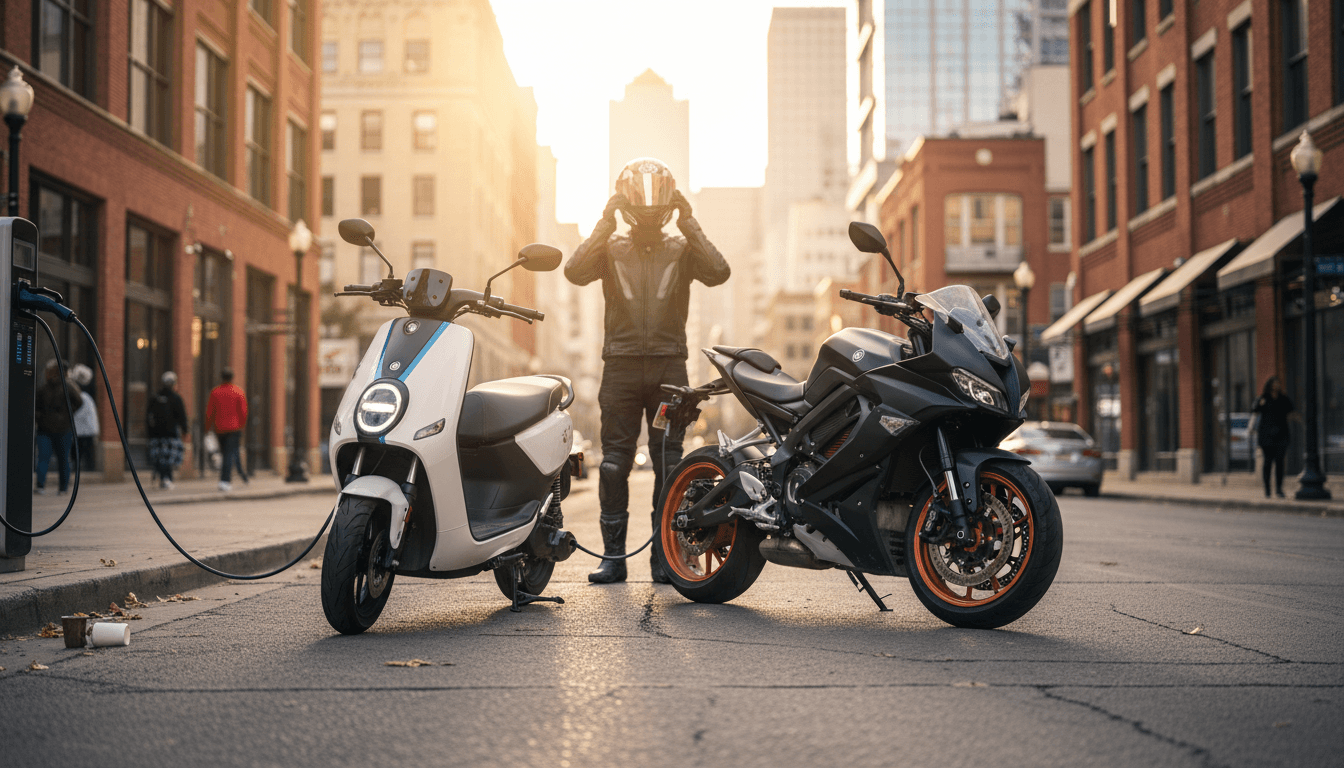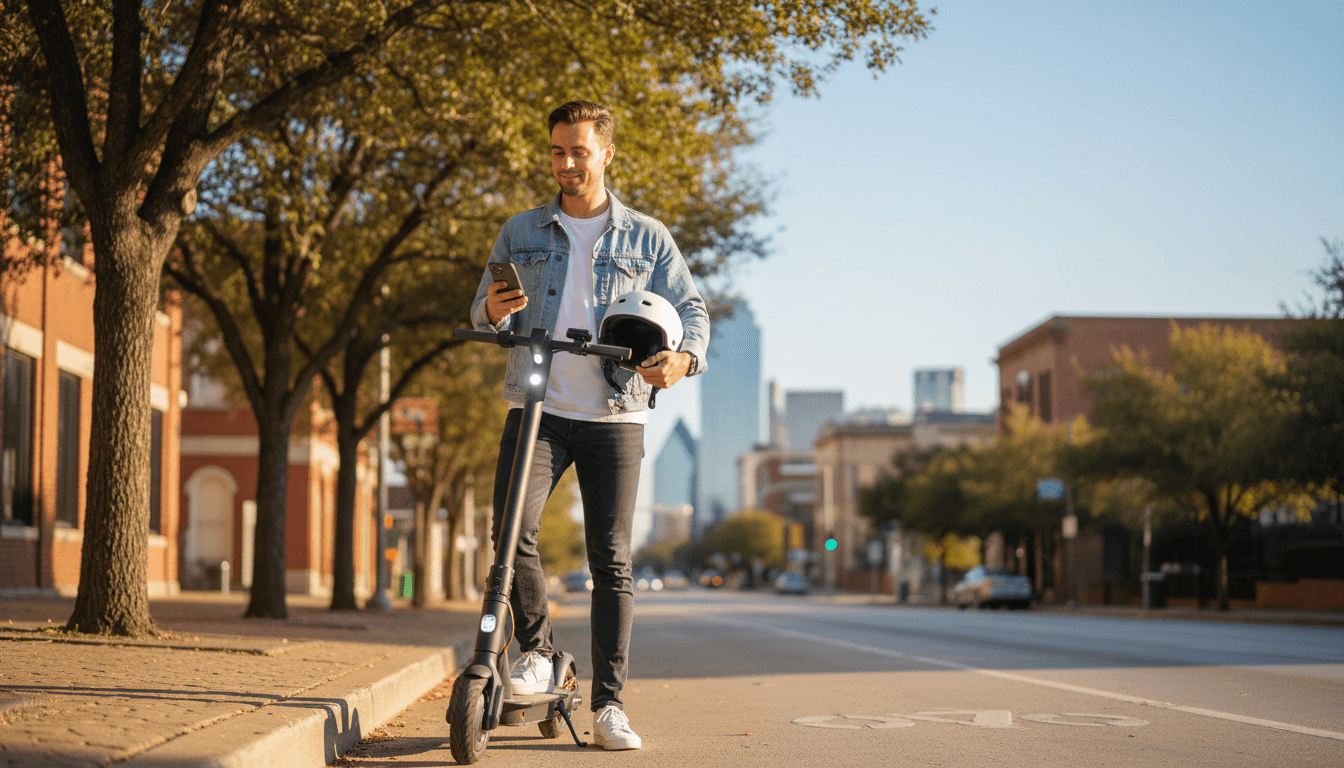

Riding an electric scooter in the winter is safe if you use specialized winter tires, maintain battery health at room temperature, and adjust for reduced traction on icy surfaces. Enhancing your electric scooter winter riding safety also requires verifying insurance coverage for weather related accidents and performing regular maintenance to prevent salt damage or corrosion.
As the mercury drops, the effortless glide of your electric scooter often transforms into a precarious struggle against icy pavement and rapidly depleting battery cells. Cold weather does more than just numb your extremities; it fundamentally alters lithium ion chemistry and reduces tire traction. For the sophisticated rider, winter represents a period of heightened mechanical stress and significant liability risk. This guide provides the expert oversight necessary to protect both your equipment and your financial security during the freezing months. You will discover technical strategies for preserving battery lifespan, essential maintenance protocols for road salt exposure, and refined riding techniques for low traction environments. We will also address why comprehensive insurance coverage, including liability and collision, serves as your most vital safety net when unpredictable winter hazards compromise your commute.
The Realities of Winter Riding for Electric Micromobility
Electric micromobility has evolved from a fair-weather convenience into a serious year-round commuting solution. While modern e-bikes and scooters are built for durability, winter introduces specific mechanical and chemical stressors that can compromise vehicle integrity. Low temperatures affect the elasticity of seals and tires, while road brine can quickly corrode exposed electrical connectors if not managed properly.
In Dallas, winter riding is defined by unpredictability. Rather than manageable snow, riders often contend with freezing rain and flash-freeze ice storms that turn asphalt into a skating rink. These conditions create high-risk traction issues, especially on overpasses and shaded road segments. Maintaining electric scooter winter riding safety in these conditions requires a technical understanding of how your ride reacts to the cold.
These physical dangers carry significant financial weight. A loss of traction on a slick Dallas street can lead to a collision with a pedestrian or a parked car, resulting in high out-of-pocket costs. Many riders mistakenly assume their existing homeowners or renters policies provide protection, but these often exclude motorized vehicles. Securing e-scooter insurance coverage or specialized e-bike insurance is a practical necessity to ensure that a winter slip does not lead to a liability disaster.
Cold Weather Battery Care: Preserving Range and Lifespan

The battery is the most expensive component of any micromobility device, and winter weather is its primary adversary. Cold temperatures fundamentally alter the chemical behavior of lithium-ion cells. As the thermometer drops, the liquid electrolyte within the battery becomes more viscous, which significantly increases internal resistance. This resistance leads to a phenomenon known as voltage sag; when you apply throttle, the battery cannot move ions fast enough to meet demand, causing the voltage to drop and the display to show a depleted charge. In extreme conditions, this results in a range reduction of up to 50 percent.
Understanding the mechanics of cold-weather degradation is essential for maintaining electric scooter winter riding safety. To prevent permanent damage to your power source, adhere to the following technical requirements:
Normalize temperature before charging: Never initiate a charge on a battery that is below freezing. Wait until the cells have reached room temperature, which usually takes about an hour. Charging while cold causes lithium plating, where lithium ions coat the anode in a metallic layer instead of intercalating into it. This leads to permanent capacity loss and increases the risk of internal shorts.
Control the storage environment: Store the battery in a dry, indoor space maintained between 50 and 70 degrees Fahrenheit. Extreme cold can cause the battery management system (BMS) to malfunction or trip safety fuses, while staying within this range keeps the chemistry stable.
Prevent deep discharge: Avoid letting your charge drop to zero percent during the winter months. Cold weather increases the rate of self-discharge; if the voltage drops below a critical threshold, the BMS may prevent the battery from ever charging again to avoid a fire hazard.
Taking these steps protects your physical investment from the elements. However, mechanical health is only one half of the equation. Just as you maintain your battery to prevent failure, you should get a customized insurance quote to protect against environmental hazards. Securing specialized e-bike insurance ensures that your vehicle and your finances remain resilient against the unpredictable North Texas climate.
Electric Scooter Winter Riding Safety: Essential Gear and Maintenance
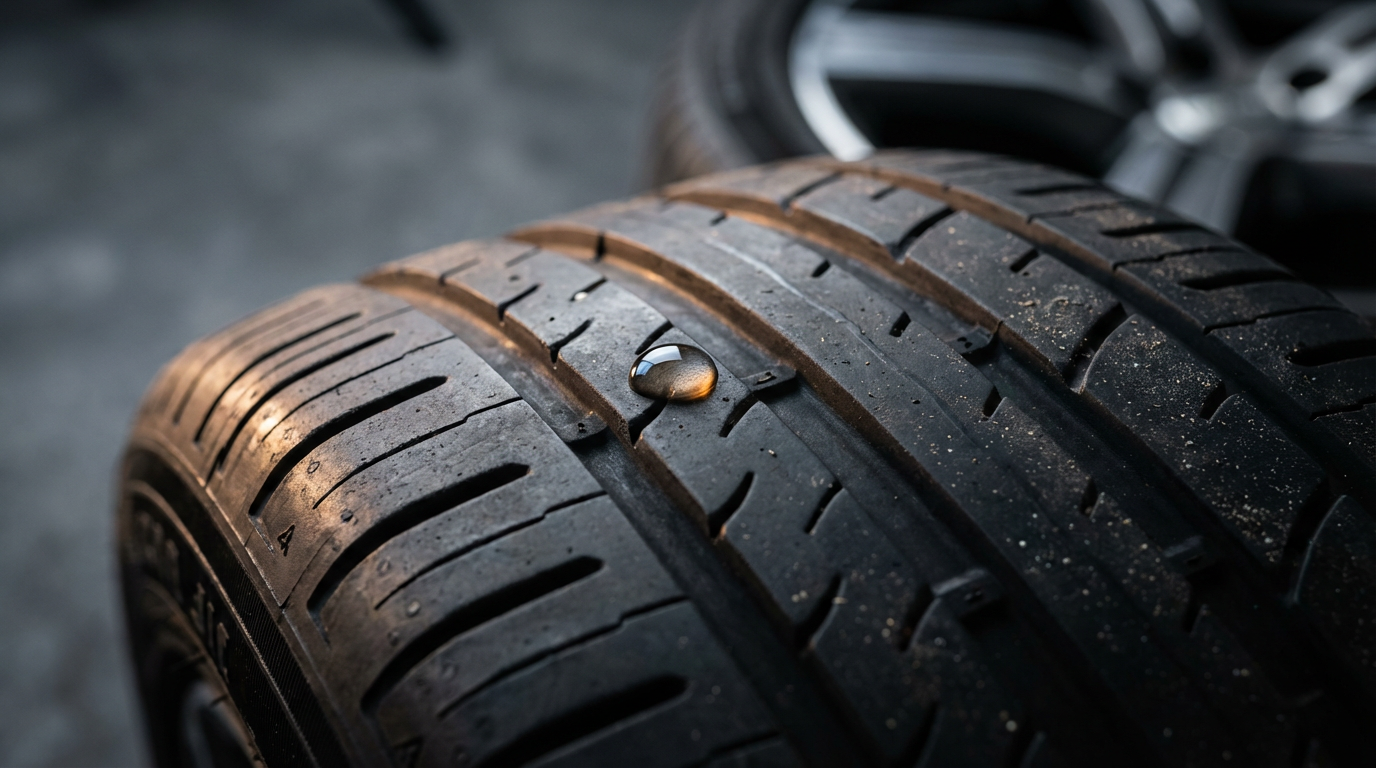
Maintaining mechanical integrity is a prerequisite for safety when temperatures drop. Standard tires, particularly the solid rubber varieties found on many entry-level scooters, are engineered for heat dissipation and become dangerously brittle in the cold. When rubber loses its elasticity, it fails to deform over road textures, drastically reducing the coefficient of friction. Upgrading to pneumatic winter tires with high-silica compounds allows the rubber to remain pliable at sub-freezing temperatures. If you are using pneumatic tires, consider lowering the air pressure by 3 to 5 PSI below your summer standard. This increases the tire's contact patch, providing a larger surface area to grip the road, which is critical for maintaining electric scooter winter riding safety on damp Dallas streets.
Corrosion management is the next technical priority. Road crews often apply brine or salt to combat ice; these chemicals are highly corrosive and electrically conductive. If salt residue reaches the charging port or internal connectors, it can cause short circuits or permanent hardware failure. After every ride in wet conditions, wipe down the frame and deck with a damp cloth and dry it immediately. Pay close attention to the folding mechanism and brake calipers, where salt buildup can seize moving parts.
Visibility requirements also shift in the winter as daylight hours contract. Standard integrated lights are often insufficient for murky, overcast afternoons. Supplementing your ride with a 1,000-lumen handlebar light and wearing high-visibility vests ensures that motorists can see you through rain-streaked windshields.
A common question among commuters is whether one can leave a scooter outside in winter. The answer is a firm no. Beyond the battery concerns mentioned previously, moving a cold vehicle into a warm environment or leaving it in fluctuating outdoor temperatures creates internal condensation. Moisture forms inside the deck and motor casing, which leads to oxidized motherboards and controller failure. This type of environmental damage is often not covered under standard manufacturer warranties, making it even more important to get a customized insurance quote that accounts for the full scope of winter risks. Proper maintenance combined with e-scooter insurance coverage or specialized e-bike insurance creates a comprehensive safety net for the season.
Winter Hazards and Insurance: Why Liability and Collision Matter

Proper maintenance and visibility gear are your first lines of defense, but they cannot eliminate the statistical reality that winter conditions increase the probability of an insurance claim. When traction is compromised by Dallas ice storms or simple road grime, the risk of a high cost incident rises sharply. Maintaining electric scooter winter riding safety involves more than just physical caution; it requires financial preparation for the environmental hazards that even the most skilled rider cannot always avoid.
Medical Payments coverage (MedPay) is a vital component for winter commuters. If you encounter a patch of black ice on a shaded Dallas overpass and suffer a fracture or road rash, MedPay covers your immediate medical expenses regardless of who was at fault. Because many winter accidents are solo incidents caused by environmental factors rather than collisions with other vehicles, having a policy that prioritizes the rider’s health costs is essential. Without this, a single slip could result in thousands of dollars in out of pocket hospital bills.
Liability and collision coverages address the impact your ride has on others. If your scooter loses grip on a slick road and you slide into a pedestrian or strike a parked car, you are legally responsible for the resulting bodily injury or property damage. While collision coverage helps repair your own vehicle, liability coverage is what protects your personal assets from lawsuits or high settlement costs. Many riders operate under the dangerous misconception that their homeowners or renters insurance will provide this protection. However, the vast majority of standard residential policies specifically exclude motorized vehicles, leaving you completely exposed in the event of a winter mishap.
Securing specialized e-bike insurance or e-scooter insurance coverage is the only reliable way to ensure these gaps are closed. These policies are written specifically for the unique risks of electric micromobility, accounting for the power and weight profiles that standard insurance products ignore. To see how these coverages fit your specific commuting needs, get a customized insurance quote before the next freeze arrives.
Riding Technique for Icy and Wet Conditions
Mastering the physics of low-traction surfaces is a core requirement for maintaining electric scooter winter riding safety. When navigating wet or icy asphalt, your braking strategy must shift. Utilize regenerative engine braking for gradual deceleration whenever possible. This method provides a smoother reduction in momentum compared to mechanical disc brakes, which can easily lock the wheels and trigger a low-side slide. If you must use mechanical brakes, apply them with a feathering motion and prioritize the rear brake to keep the front wheel from washing out.
Your physical posture determines your stability. Avoid leaning the vehicle into turns; keep the frame as vertical as possible and slow down significantly before entering a corner. In Dallas, specific road elements like painted turn arrows, crosswalk lines, and metal manhole covers become as slick as glass when moisture is present. Plan your line to avoid these surfaces entirely. Furthermore, North Texas riders must be hyper-aware of overpasses. Because cold air circulates beneath these structures, they experience flash-freezing much faster than surface roads.
Even with the protection of specialized e-bike insurance or e-scooter insurance coverage, some weather events are simply too hazardous for micromobility. If you encounter widespread black ice, the safest technical decision is to get a customized insurance quote for the season and transition to long-term storage.
Storing Your Electric Scooter for the Winter Season
When technical conditions on the road exceed your comfort level, formal decommissioning for the season is the safest move. Proper storage is more than just parking the unit in a garage; it is a controlled process to prevent hardware failure. Maintaining lithium-ion cells during long-term storage requires keeping the charge level between 40 and 60 percent. Storing a battery at 100 percent for months causes significant chemical stress. Conversely, a 0 percent charge can lead to a dead battery that refuses to accept voltage in the spring. Check the charge every 30 days to ensure it remains within this stable range.
Physical security remains a priority even during the hiatus. While you are no longer managing electric scooter winter riding safety on the road, your vehicle remains a high-value asset susceptible to theft or property damage. This off-season is the ideal time to review your policy. While liability may be less of a daily concern, ensuring your e-scooter insurance coverage or specialized e-bike insurance includes comprehensive protection is vital. This covers non-collision risks such as structural fires or residential theft. To verify your current limits, get a customized insurance quote to maintain full financial protection until the spring thaw.
Safely navigating the winter months requires a balance of battery maintenance and proper risk management. While basic care goes a long way, ensuring your scooter is fully protected against seasonal accidents is just as vital. If you want expert help finding a policy that accounts for these unique challenges, our team is ready to guide you. You can learn more about our simple process on our How It Works page. Staying informed is the best way to keep your ride on the road all year.