
E-bike battery fire safety depends on using original equipment chargers, avoiding overnight charging, and protecting cells from physical damage or extreme temperatures. Maintaining these habits prevents thermal runaway and ensures that owners remain protected under homeowners or renters insurance policies in the event of an accident.
Owning an e-bike represents a significant investment in your mobility and lifestyle; however, the growing prevalence of lithium-ion battery fires has introduced a new layer of anxiety for many riders. While these high-performance power cells are generally reliable, the consequences of a thermal runaway event can be catastrophic for your property and your peace of mind. At Electric Ride Insurance, we prioritize proactive risk management to protect both your equipment and your liability. This guide provides a sophisticated look at the mechanics of battery failure and outlines the essential charging habits required to mitigate fire risks. You will discover practical strategies for indoor storage, learn how to identify the subtle warning signs of a failing cell, and understand exactly how these incidents influence your insurance coverage. Equipping yourself with this expert knowledge ensures that your ride remains a source of freedom rather than a potential hazard.
The Rising Risk of Lithium Ion Battery Fires in Electric Rides
As electric micromobility reshapes how people navigate urban centers, a specific safety challenge has emerged. While millions of riders commute safely every day, the rise in lithium ion battery incidents has become a critical priority for fire departments and safety officials. Recent research from the BBC highlights that these incidents represent the fastest growing fire risk in many regions, a trend driven by the high energy density of the power cells involved.
The primary danger is a process called thermal runaway. In simple terms, this occurs when an internal failure or external stress causes a single battery cell to overheat. That heat then triggers a chain reaction in neighboring cells, leading to a self-sustaining fire that is notoriously difficult to suppress. These fires do not just smolder; they erupt with explosive force, releasing toxic gases and reaching temperatures over 1,000 degrees Fahrenheit in seconds.
While these events are statistically rare relative to the total number of riders, their sheer intensity makes e-bike battery fire safety a vital concern for every owner. Because a standard fire extinguisher is often ineffective against a chemical blaze of this magnitude, prevention through proper care and obtaining specialized e-bike insurance is essential for mitigating the risk to your home and liability. Understanding the mechanics of these batteries helps riders identify why specific charging and storage protocols are necessary to prevent a catastrophic failure.
Why Do E-bike Batteries Catch Fire?
Understanding the triggers of thermal runaway requires a close look at how lithium ion cells are compromised. Most incidents stem from four specific types of failure. First is physical damage. Dropping a battery or being involved in a collision can crush the delicate internal separators that keep the positive and negative electrodes apart. Once that barrier is breached, a short circuit occurs internally, initiating the heating process described previously.
Second is thermal stress. Batteries are engineered to operate within narrow temperature ranges. Exposure to extreme heat, such as leaving a battery in a direct sunlit window or a sweltering storage area, can cause the volatile electrolyte to decompose and build pressure. Third is electrical abuse. This frequently occurs when riders use a charger not designed for their specific battery model. Even if the plug fits, a voltage mismatch can force excessive current into the cells, leading to rapid overheating and eventual ignition.
The final and most preventable cause involves manufacturing defects. The global market is currently flooded with non-UL certified batteries, often sold as refurbished or aftermarket upgrades on discount marketplaces. These units frequently lack the sophisticated Battery Management Systems (BMS) required to regulate cell temperature and prevent overcharging. Because these components are high energy devices, cutting costs on a replacement battery significantly increases the risk of a catastrophic failure. If you are concerned about the integrity of your hardware, it is essential to find a specialized provider who can offer coverage specifically designed to mitigate the fire and liability risks unique to electric ride ownership.
Safe Charging Habits for E-bikes and E-scooters

Many riders ask if it is safe to charge an e-bike or e-scooter overnight while the household is asleep. The answer is a definitive no. While it may seem convenient to wake up to a full battery, the risk of an unmonitored incident far outweighs the convenience. Effective e-bike battery fire safety relies on your ability to react to the earliest signs of trouble. Charging should only occur when someone is present and awake. If a battery begins to fail during a sleep cycle, the window to evacuate safely or move the device is lost before the fire becomes uncontrollable.
Where you charge is just as important as when you charge. Never place your device near a primary exit, such as a front door or the bottom of a staircase. Because lithium-ion fires intensify so rapidly, a bike charging in a hallway can block your only path to safety within seconds. Additionally, keep the charging area clear of combustible materials. Avoid charging on carpets, near curtains, or next to upholstered furniture like sofas. Ideally, use a hard, non-flammable surface in an open area where heat can dissipate naturally.
A critical component of charging safety is the hardware connecting your battery to the wall. You must use only the charger provided by the original manufacturer or a certified direct replacement. Using a generic third-party charger is a significant risk. Even if the barrel connector fits the port, the voltage and amperage outputs may not match the battery's specific requirements. This electrical mismatch forces the battery to work harder, generating excess internal heat that can lead to thermal runaway. For those concerned about protecting their investment and home from these risks, exploring electric scooter insurance coverage or specialized e-bike insurance can provide essential financial protection. If you are navigating the complexities of high-energy devices, you can find a specialized provider who understands these technical risks and offers policies that go beyond standard property coverage.
Best Practices for Storing Your Battery Indoors
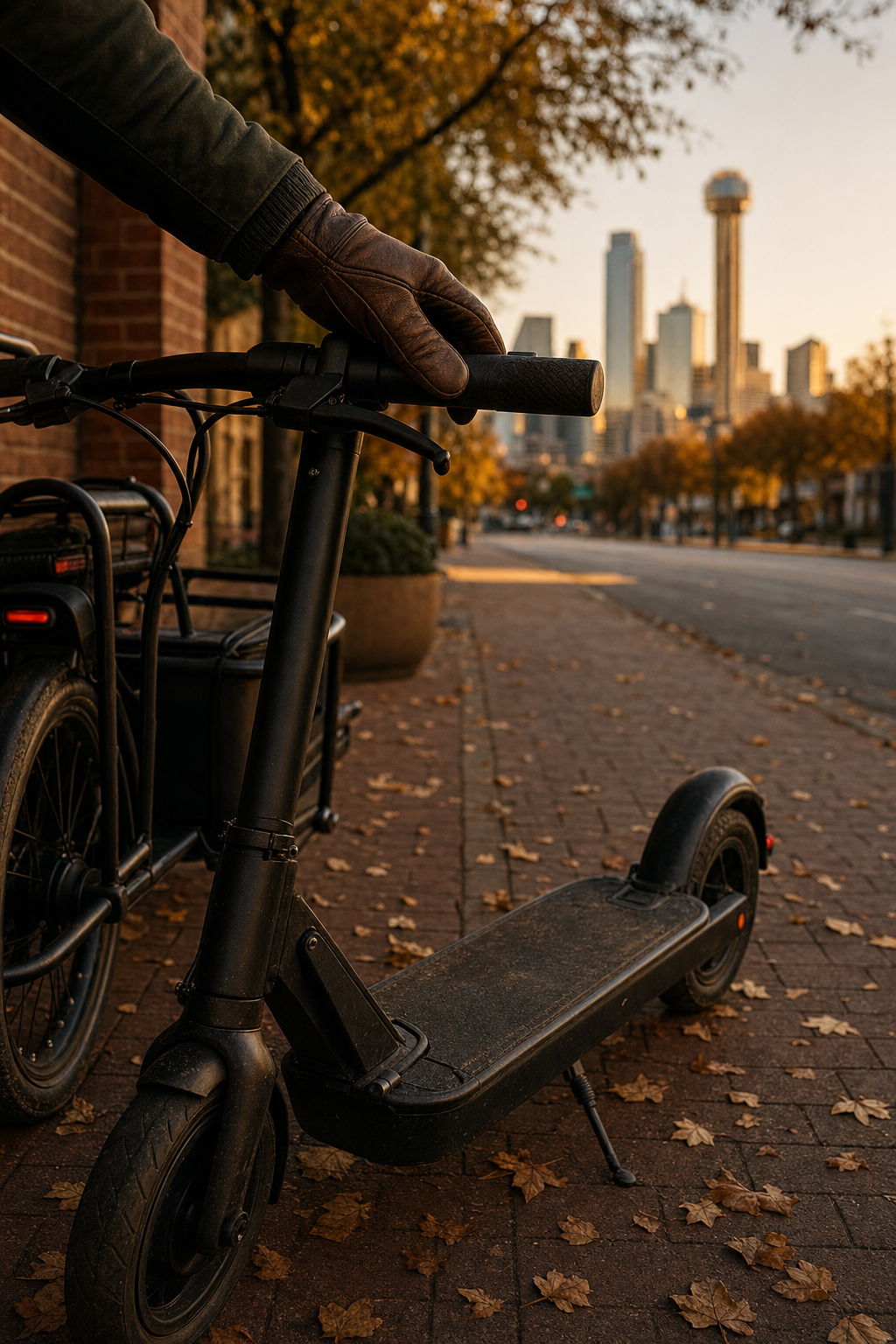
Storing a lithium-ion battery inside the home is generally safe, provided you maintain strict environmental controls. Many riders ask if it is safe to keep an e-bike battery in the house at all; the answer is yes, and it is often preferable to a damp shed or an unheated outbuilding. However, proper storage requires a cool, dry location where temperatures remain consistently between 50 and 77 degrees Fahrenheit. Storing a battery in conditions outside of this window can lead to premature aging of the chemicals and potential instability.
For Dallas-based riders, managing these temperatures is a specific challenge during the peak of a Texas summer. You must avoid leaving batteries in uninsulated garages or parked vehicles. In the North Texas heat, internal car temperatures can rapidly exceed 140 degrees, while a closed garage can easily reach 120 degrees. This level of extreme heat is known to degrade the polymer separator within the battery cells. When this separator thins or melts, it can no longer effectively prevent the electrodes from touching, which is a primary trigger for thermal runaway.
To further enhance e-bike battery fire safety, consider investing in an e-bike fireproof battery charging box or a certified lithium-safe storage bag. These specialized containers provide an additional layer of containment, designed to withstand high temperatures and vent gases safely if a cell fails. Because even the best storage habits cannot eliminate every variable, it is wise to find a specialized provider who offers specialized e-bike insurance. This ensures that your property and personal liability are protected against the unique risks of high-capacity battery storage.
Does E-bike Battery Fire Affect Your Insurance Coverage?

The assumption that a home or renters insurance policy automatically protects your electric ride is one of the most dangerous misconceptions in the industry. Most standard property policies contain specific exclusions for motorized vehicles. While a traditional pedal bike is covered as personal property, the addition of a motor and a high-capacity lithium-ion battery often pushes e-bikes into a gray area or an outright exclusion. If an adjuster determines your device meets the definition of a motor vehicle under the policy terms, they can legally deny claims for the loss of the bike and any property damage caused by a battery fire.
The financial stakes are highest when considering personal liability. If a battery undergoes thermal runaway in a multi-unit apartment complex or a shared garage, the fire and smoke damage can easily exceed hundreds of thousands or even millions of dollars. If your standard insurance denies coverage based on the vehicle exclusion, you may be held personally liable for the structural damage to the building and the displacement of other tenants. Integrating electric scooter insurance coverage or specialized e-bike policies into your overall e-bike battery fire safety strategy provides a necessary legal buffer that general policies do not offer.
Feature | Standard Homeowners/Renters | Specialized Electric Ride Insurance |
|---|---|---|
Motorized Vehicle Exclusion | Often applied to e-bikes/scooters | Specifically covers these devices |
Fire Damage to Device | Likely excluded or limited | Fully covered (replacement value) |
Third-Party Liability | Often denied for vehicle-related fires | Explicitly covers liability for battery fires |
Off-Premises Theft | Limited coverage or high deductibles | Comprehensive coverage available |
Specialized policies are built to address these specific technical risks. They offer dedicated liability limits and replacement cost coverage that recognize the unique value and hazards of electric rides. By choosing to find a specialized provider, you ensure that your specialized e-bike insurance is valid and enforceable. This protection bridges the gap left by traditional insurers, ensuring that a manufacturing defect or a charging accident does not result in a catastrophic financial loss alongside the physical damage.
Warning Signs of a Failing Battery
Detecting the early stages of thermal runaway requires active monitoring of your device's physical condition. Vigilance is a primary component of e-bike battery fire safety, as most catastrophic failures are preceded by subtle physical or auditory cues. You must stop charging immediately and seek professional assistance if you observe any of the following red flags:
Excessive heat: The battery feels painfully hot to the touch or radiates unusual warmth during a standard charge cycle.
Odors: A foul, rotten egg smell or a strangely sweet, cloying chemical scent.
Physical distortion: Visible bulging, swelling, or warping of the battery's outer casing.
Noises: Audible hissing, popping, or crackling sounds emanating from within the battery pack.
Leakage: Any fluid, residue, or soot escaping from the seams of the enclosure.
If these signs appear, do not hesitate. Disconnect the power source only if it is safe to reach. If the battery is not yet smoking, move it to a clear, outdoor area away from structures and vehicles, such as a concrete driveway. Do not attempt to move a battery that is already emitting smoke or intense heat. Instead, evacuate the area and call 911 immediately. Because a failing battery often represents a total loss of your equipment, you should find a specialized provider to secure specialized e-bike insurance before a hardware failure occurs.
What to Do If an E-bike Fire Starts
If a battery ignites, the situation escalates within seconds. These chemical fires reach temperatures exceeding 1,000 degrees Fahrenheit and emit toxic gases that cause immediate respiratory distress. Do not attempt to extinguish a large lithium ion blaze with a household fire extinguisher. Unless you have access to a constant, high volume flow of water to cool the internal cells, adding small amounts of moisture can actually worsen the chemical reaction.
The only safe response is to evacuate all occupants immediately and call 911. Professional firefighters are equipped for the specific challenges of Class B suppression and the unique hazards of thermal runaway. Once the danger passes, having specialized e-bike insurance or electric scooter insurance coverage is the only reliable way to manage the resulting property damage and liability. You can find a specialized provider to ensure your assets are protected before a battery failure occurs.