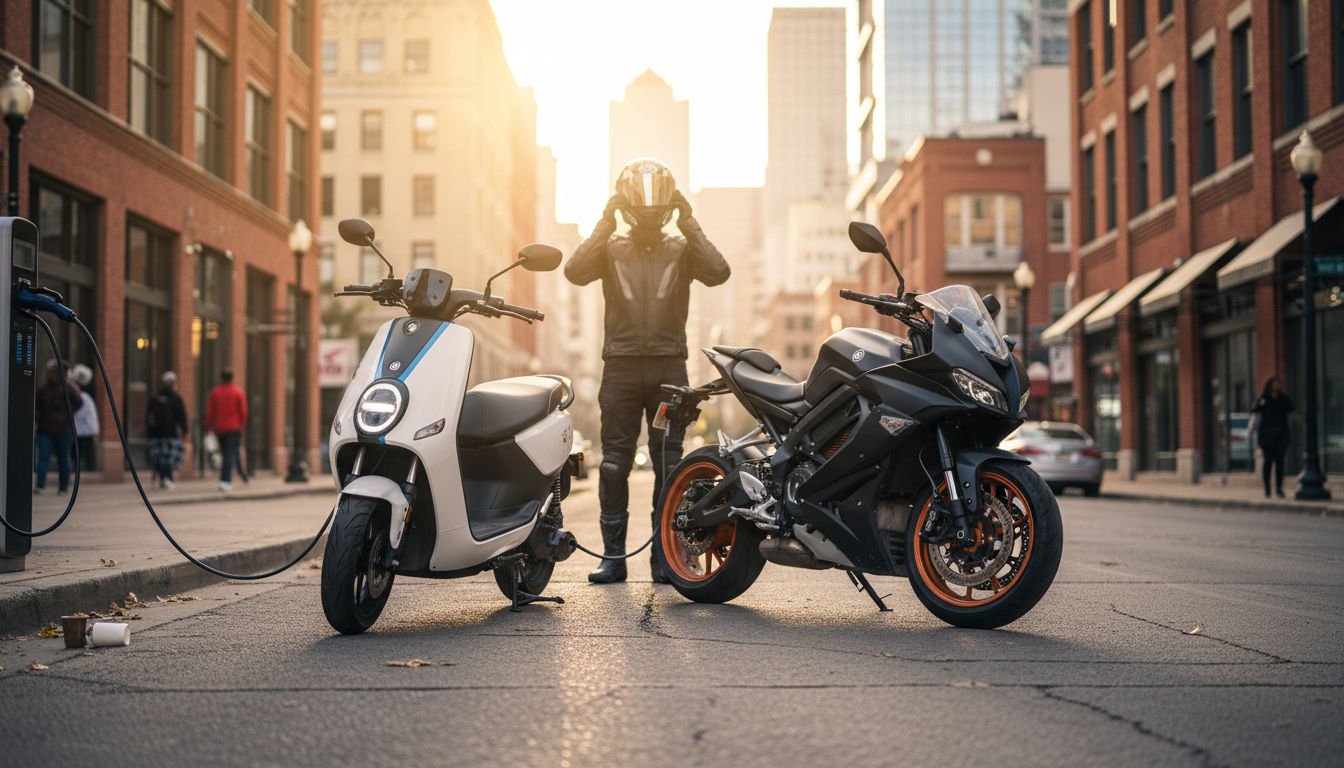
Electric scooter safety depends on wearing certified protective gear, performing regular maintenance, and adopting defensive riding habits. Essential practices include wearing a CPSC certified helmet, conducting pre-ride inspections of brakes and tires, and strictly following traffic regulations to prevent accidents.
Navigating the urban landscape on two wheels offers unparalleled freedom, yet the vulnerability of an electric scooter rider in heavy traffic is a constant concern. One mechanical failure or a split second of inattention can lead to significant physical injury and costly equipment damage. At Electric Ride Insurance, we understand that risk management is the foundation of a successful commute. True safety extends beyond just wearing a helmet; it involves a synergy of proactive riding habits, high performance gear, and meticulous vehicle maintenance. In this guide, we will analyze the essential equipment every commuter needs, the defensive maneuvers required to navigate city streets, and the specific maintenance routines that keep your scooter roadworthy. Furthermore, we will explain how these safety practices directly influence your insurance profile and coverage options, ensuring you stay protected both on the road and in your policy.
Why Safety Habits and Maintenance Matter for Electric Ride Insurance
Owning an electric micro-mobility vehicle in a bustling metro area like Dallas requires a fundamental shift in perspective. While recreational users often treat these devices as high-tech toys, the insurance industry categorizes them as motorized vehicles with distinct liability risks. In dense urban traffic, prioritizing electric scooter safety is a prerequisite for both physical survival and financial stability. Understanding how electric ride insurance works begins with recognizing that your daily riding habits directly influence your risk profile in the eyes of an underwriter.
Many riders assume that purchasing a high-end helmet will lead to an immediate premium discount. In reality, the financial benefit of safety gear and consistent maintenance lies in long-term cost mitigation and risk reduction. A clean riding record is the most effective way to keep your premiums low over time; meanwhile, documented maintenance is critical during the claims process. If an accident occurs and an investigation reveals mechanical neglect, such as worn brake pads or a degraded battery, an insurer may have grounds for a claim denial. Exploring various electric scooter insurance options or reviewing our electric motorcycle insurance guide allows you to find providers that value responsible ownership. By maintaining a log of your pre-ride checks and hardware updates, you provide the evidence needed to ensure your coverage remains a reliable safety net rather than a contested liability.
Essential Electric Scooter Safety Gear for Urban Commuters
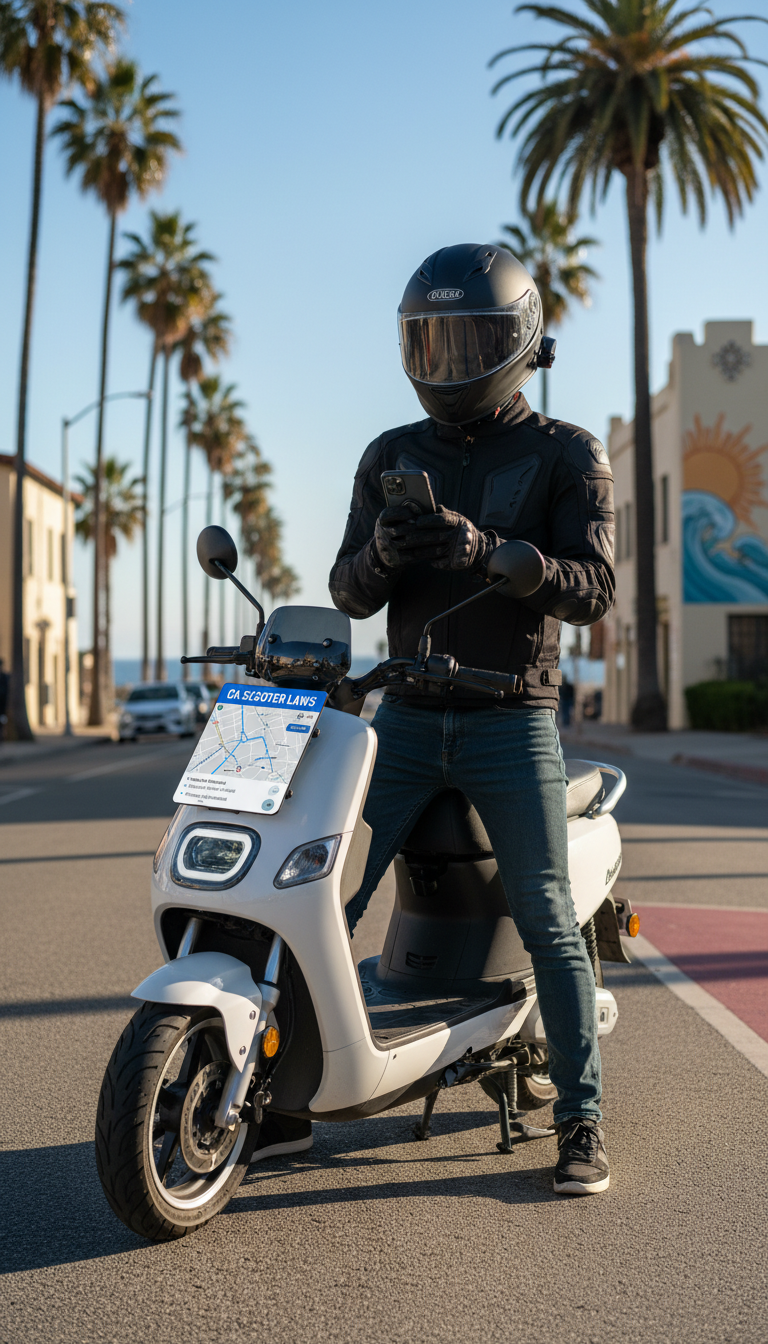
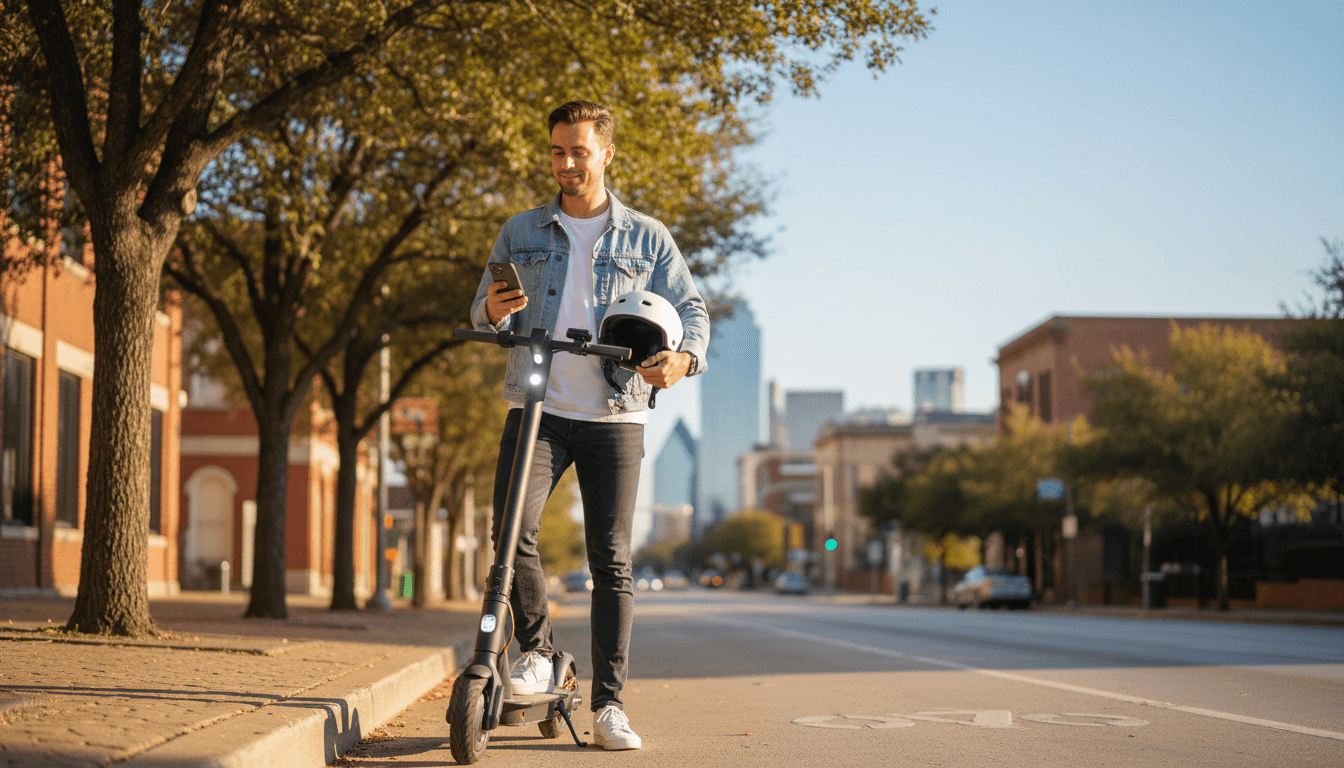
Navigating the complex traffic patterns of the Dallas-Fort Worth metroplex requires more than just a passing familiarity with your vehicle; it demands specialized equipment that exceeds recreational standards. The foundation of electric scooter safety is a helmet that matches your vehicle's performance. While a standard bicycle helmet suffices for low speeds, commuters operating devices that reach 20 mph or more should prioritize helmets with CPSC or DOT certifications. These ratings indicate the gear can withstand the higher-velocity impacts common in motorized accidents, offering protection that a lightweight styrofoam shell cannot.
Visibility is the next critical layer of defense. Urban environments are cluttered with visual noise, making high-output lighting a necessity rather than an accessory. Aim for a headlight capable of at least 1000 lumens to ensure you are visible to motorists from several blocks away, particularly during dawn and dusk transitions. Furthermore, eye protection, such as shatter-resistant glasses or a helmet visor, is essential to prevent wind, dust, or road debris from obstructing your vision in heavy traffic.
Protective clothing must account for the specific terrain of Dallas streets, where heat-buckled pavement and unexpected potholes are common. Full-finger gloves with palm sliders protect against abrasions during a fall, while reinforced knee and elbow pads provide a buffer against hard impacts on concrete. Utilizing high-quality, specialized gear serves as a clear signal to insurance providers that you are a responsible, low-risk operator who takes proactive steps to mitigate liability. This level of preparedness is exactly what underwriters look for when determining a rider's long-term insurability and reliability.
Pro Riding Habits: Navigating Traffic and Avoiding Common Accidents
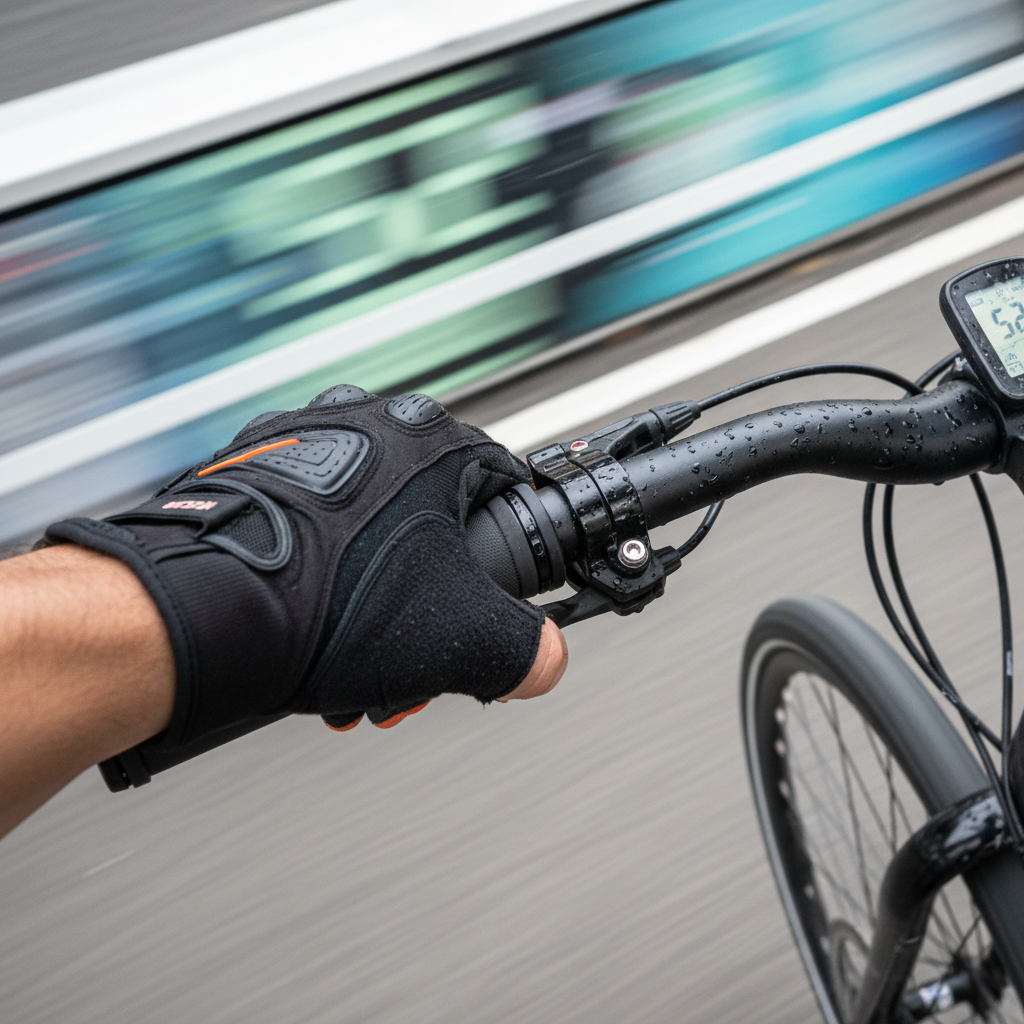
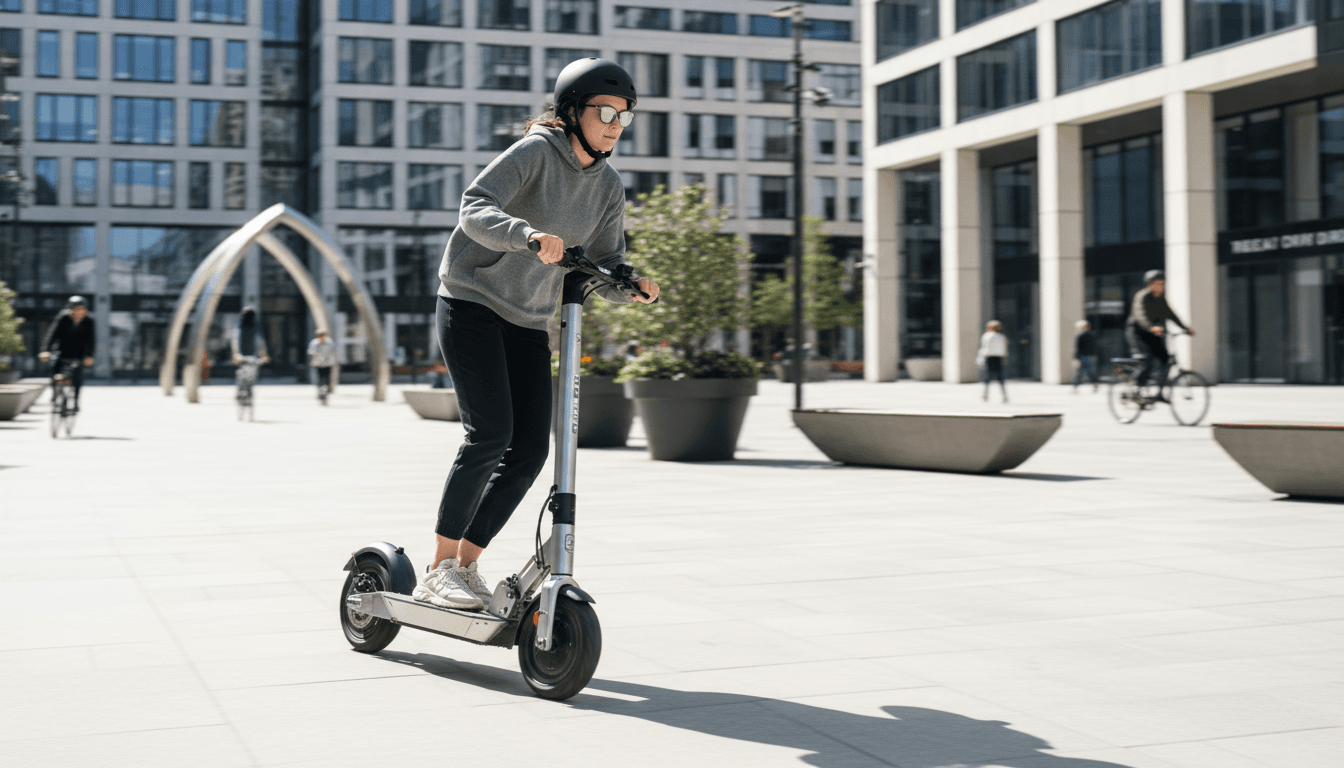
Mastering the physics of a small-wheeled vehicle is the first step toward professional-grade electric scooter safety. One of the most common mistakes beginners make is braking during a turn; this shifts the vehicle’s center of gravity and can cause the front wheel to lose traction or the rider to be ejected. Instead, complete your braking in a straight line before entering the curve. When navigating the turn, avoid steering solely with your hands. You should lean from your feet and hips, keeping your weight centered over the deck to maintain maximum tire contact with the pavement.
Adhering to strict operational do’s and don’ts is equally critical for urban navigation. Tandem riding, or doubling up, is a frequent cause of accidents because it exceeds the vehicle's weight capacity and significantly compromises braking distance. Furthermore, riders should ditch headphones entirely. In high-traffic areas like Downtown Dallas or the Arts District, auditory cues from sirens, approaching vehicles, or pedestrians are essential for situational awareness. Blocking these sounds increases your risk of a collision that could have been easily avoided.
Defensive riding in bike lanes requires constant vigilance, especially regarding the door zone of parked cars and right-turning vehicles that may not see a scooter in their blind spot. Under the Texas Transportation Code, electric scooters are often subject to the same regulations as bicycles. Following these local traffic laws is not just about avoiding a citation; it is a prerequisite for maintaining the integrity of your insurance policy. If a collision occurs while you are lane-splitting illegally or disregarding a traffic signal, an adjuster may determine you were at fault, potentially voiding your liability protection. Understanding how electric ride insurance works involves recognizing that your adherence to the law is what secures your financial recovery after an incident. Consulting our list of electric scooter insurance options can help you find a policy that aligns with your specific commuting route and local risk factors.
The Electric Motorcycle Maintenance Checklist for Longevity and Safety
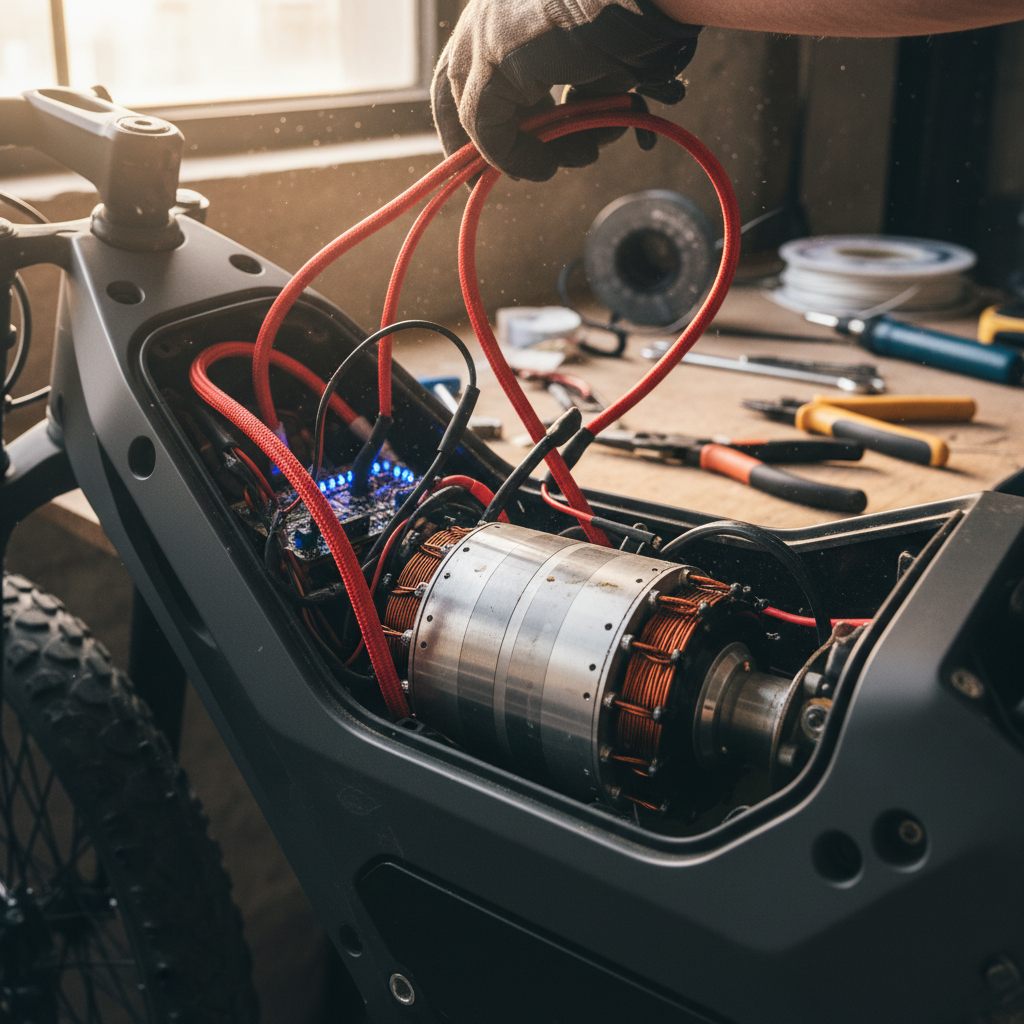
While riding habits prevent accidents, proactive maintenance prevents mechanical failures that can compromise your safety and your insurance standing. Electric scooter safety relies heavily on the integrity of small components, whereas electric motorcycles introduce more complex drive systems. For motorcycle owners, identifying whether your bike uses a chain or a belt drive is essential. Chains require regular lubrication and tension adjustments every 500 miles; conversely, belt systems need periodic checks for debris and proper alignment to prevent sudden snapping.
Battery health is the most critical factor for both vehicle types. To maximize lifespan, avoid charging to 100 percent for daily use. Instead, aim for 80 to 90 percent capacity to reduce chemical stress on the cells. Given the intense Dallas heat, never charge your battery immediately after a ride while it is still hot, and store the vehicle in a shaded or climate controlled area to prevent thermal degradation. If you notice a buildup of residue, clean the battery terminals using isopropyl alcohol to ensure a stable electrical connection.
A consistent pre-ride checklist is your best defense against unexpected failures: - Tires: Check for punctures and ensure pressure matches the manufacturer’s PSI specifications. - Brakes: Test lever responsiveness and inspect pads for thinning. - Lights: Verify that headlamps, brake lights, and turn signals are operational for maximum visibility.
Maintaining a detailed log of these checks and any professional servicing is a strategic move for your financial protection. If you ever need to file a claim, this documentation serves as concrete evidence that the vehicle was in peak condition, preventing insurers from attributing an accident to owner negligence. Reviewing an electric motorcycle insurance guide can help you understand how these maintenance records support your coverage. Ultimately, understanding how electric ride insurance works means recognizing that a well-maintained machine is a lower liability for both you and the provider.
First Time Riders and Teens: Safety for Beginners
While diligent maintenance ensures the machine is reliable, the rider’s age and experience level are the primary factors in risk assessment for new operators. Many parents inquire if an 11 year old can safely handle a motorized scooter. However, in Dallas, and across most insurance underwriting standards, electric scooter safety is generally prioritized for those aged 16 and older who possess a valid learner’s permit or driver’s license. Operating a vehicle with instant torque requires adult levels of motor coordination and situational awareness that younger children typically lack.
Beginners should spend at least five to ten hours practicing in vacant parking lots or controlled environments before entering residential streets. This period allows them to master emergency braking and weight distribution without the pressure of live traffic. For teenagers, the legal and financial stakes are high. A minor involved in a collision can expose parents to significant liability claims. Understanding how electric ride insurance works for families is essential; many standard homeowners policies specifically exclude motorized vehicles, leaving a coverage gap. Parents should explore specialized electric scooter insurance options that account for younger riders to ensure financial protection is in place before the first commute.
How Maintenance and Safety Records Affect Insurance Coverage
Transitioning from beginner practice to daily commuting involves more than just physical skill; it requires an understanding of how your behavior translates into a risk profile. Specialized underwriters in the micro-mobility space evaluate risk differently than standard auto insurers. They prioritize insurability, which is a metric of how likely you are to file a claim. Maintaining a clean riding history through consistent electric scooter safety practices is the most direct way to remain eligible for preferred rates. When you demonstrate a history of zero at-fault incidents and no traffic violations, you become a desirable client for agencies that specialize in high-performance electric rides.
The intersection of maintenance and insurance becomes most visible during a claim investigation. If you are involved in a collision, an adjuster may inspect the vehicle to determine if a mechanical failure contributed to the event. For example, if a crash occurred because you could not stop in time, and an inspection reveals your brake pads were beyond the manufacturer's wear limit, the insurer could argue that the accident was preventable through basic upkeep. Documentation, such as a maintenance log or receipts for professional servicing, serves as vital evidence that you fulfilled your responsibilities as an owner. This paper trail can be the difference between a full payout and a complicated claim denial.
Finding the right coverage means looking for providers that reward this level of diligence. At Electric Ride Insurance, we facilitate this by connecting you with specialized agencies through our how electric ride insurance works platform. We help you navigate electric scooter insurance options and provide an electric motorcycle insurance guide to ensure you are matched with insurers who recognize the value of a well-maintained vehicle and a disciplined rider. By treating your safety record as a financial asset, you secure better long term protection for your commute across the Dallas-Fort Worth area.