Electric scooter laws by state vary significantly, with most jurisdictions permitting street riding while restricting sidewalk use and imposing specific speed limits. While most states do not require a driver's license, specific regions like North Carolina and Hawaii mandate DMV registration for these devices. Safety requirements often depend on the rider's age and the scooter's speed classification; additionally, states like California are beginning to enforce strict battery safety standards.
Navigating the patchwork of micro-mobility regulations often feels like a moving target for modern commuters. You may be confident in your riding skills, yet a single misunderstanding regarding local classifications or sidewalk restrictions can lead to costly citations; or worse, it could void your liability coverage in the event of an accident. As e-scooter adoption accelerates, staying informed on the evolving legal landscape is no longer optional for the responsible rider. This comprehensive guide clarifies the complexities of state by state mandates, from helmet requirements and age restrictions to specific registration protocols. We will detail how these regulations define your vehicle category and examine the critical intersection between local compliance and your insurance protection. By the end of this article, you will have a clear roadmap to ensure your ride remains legal, safe, and fully insured across any jurisdiction.
Understanding the Electric Ride Legal Landscape
The rapid expansion of the micro-mobility sector has forced a significant shift in how regulators approach motorized two-wheeled transport. For years, many jurisdictions lacked clear definitions, often relegating electric scooters to the same legal category as toys or manual skateboards. However, as these devices become staples of urban commuting, states are increasingly moving toward formal vehicle classifications. This transition is driven by the need to address safety, infrastructure, and liability.
While federal regulations exist to oversee manufacturing standards, the rules governing where and how you ride are determined at the state and municipal levels. This decentralized approach is why electric scooter laws by state can vary so significantly. Riders must distinguish between state statutes, which provide broad frameworks, and local ordinances that apply to specific city limits.
In Dallas, for instance, riders must adhere to specific micro-mobility programs that may differ from general Texas transportation codes. Similarly, cities like New York and Chicago have established their own rigorous frameworks for sidewalk usage and speed limits that override broader state permissions. Understanding these layers of authority is essential for finding appropriate electric scooter insurance and ensuring your coverage remains valid in the event of an accident. Accessing updated micro-mobility resources helps clarify these jurisdictional overlaps.
Electric Scooter and E-bike Classifications: Defining Your Ride
Navigating the complex landscape of electric scooter laws by state requires a clear understanding of how your specific vehicle is classified. In the United States, e-bikes are generally categorized into a three-class system that dictates where they can be ridden and the level of regulation applied to the operator.
Class | Assist Type | Max Motor-Powered Speed |
|---|---|---|
Class 1 | Pedal-assist only | 20 mph |
Class 2 | Throttle-actuated | 20 mph |
Class 3 | Pedal-assist only | 28 mph |
Class 3 e-bikes often come with additional restrictions, such as a minimum rider age of 16 and a requirement for an integrated speedometer. Electric scooters follow a different logic, usually defined by motor wattage rather than assist type. Most states adopt the federal threshold of 750 watts for a vehicle to be considered a scooter or e-bike; however, some jurisdictions permit up to 1000 watts.
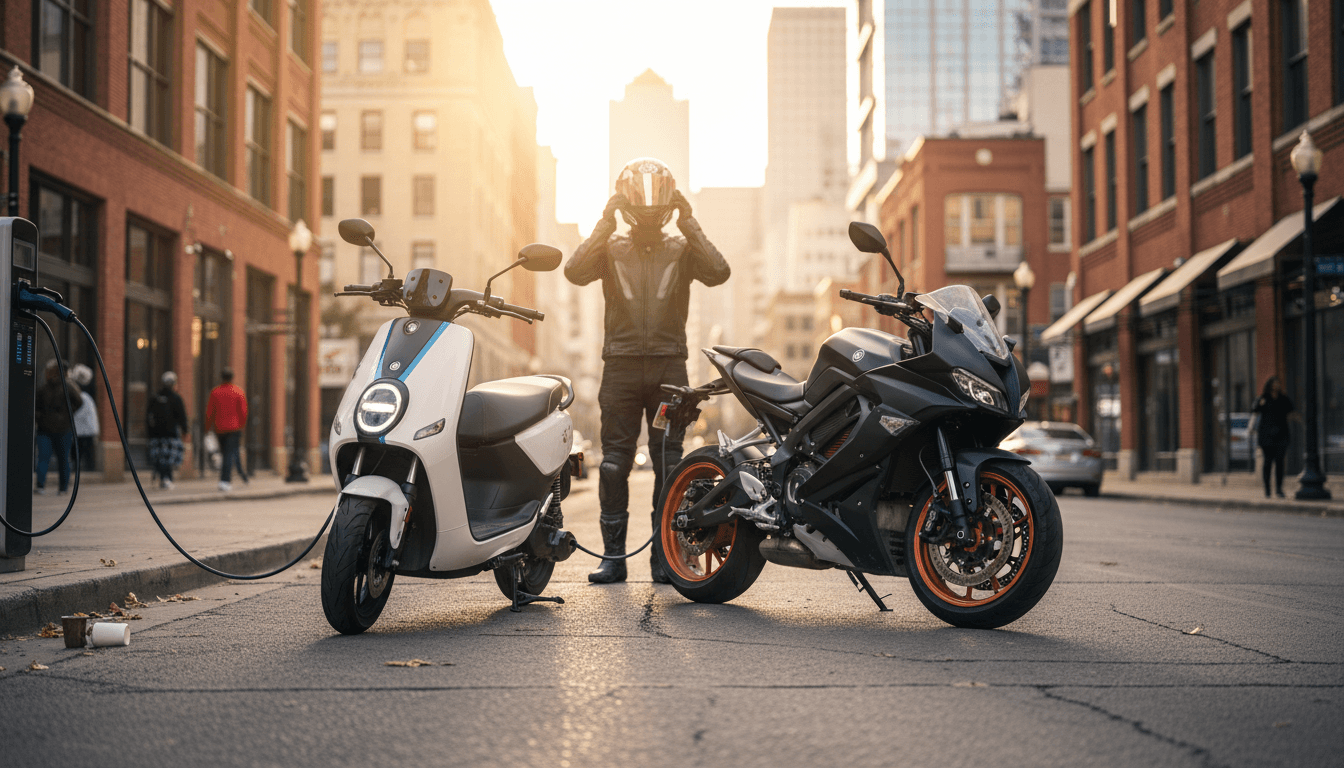
A common point of confusion involves 1000W e-bikes. While powerful, these often exceed the "low-speed electric bicycle" definition in many states. If your ride exceeds these wattage limits or reaches speeds significantly higher than 28 mph, such as high-performance models capable of 70 mph, it is no longer legally a bicycle or scooter. These vehicles are reclassified as mopeds or motorcycles.
This reclassification triggers much stricter E-bike insurance requirements and licensing mandates. Failing to recognize your ride’s specific class can lead to denied claims or legal penalties. Ensuring your device meets the technical standards for its category is the first step toward securing appropriate electric scooter insurance that truly protects your investment.
Universal Riding Rules: Sidewalks, Streets, and Registration
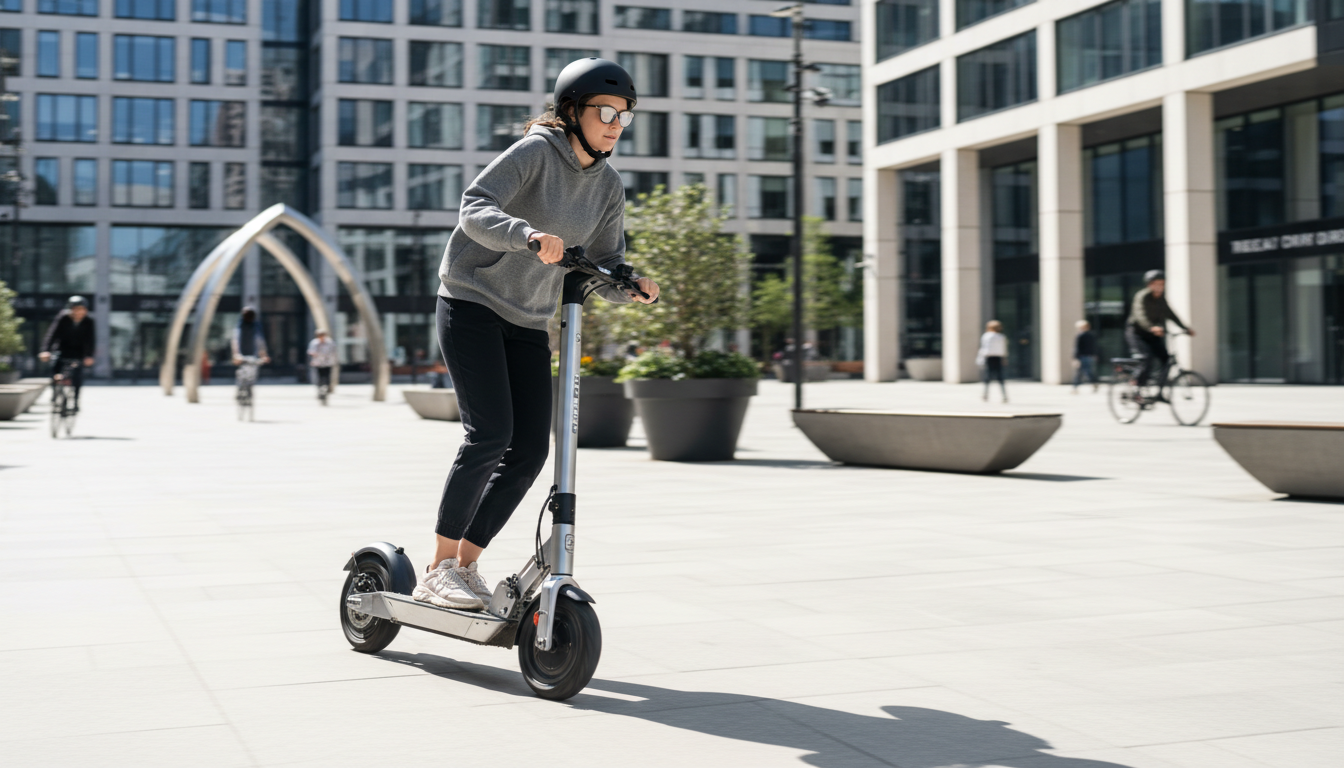
Once the vehicle is properly classified, the next step is determining where it can legally operate. Operational permissions often depend on the specific infrastructure available, yet clear patterns have emerged regarding sidewalk usage and street access. Currently, sidewalk riding is banned in 10 states, requiring users to utilize bike lanes or the right side of the roadway. Even in states where a flat ban is not in place, major metropolitan areas like New York City strictly prohibit sidewalk riding to prioritize pedestrian safety.
Registration requirements remain the exception rather than the rule for standard micro-mobility devices. Most jurisdictions treat these devices similarly to bicycles, exempting them from the titling and licensing processes required for cars. However, North Carolina, Hawaii, and Louisiana currently require DMV registration for standard electric scooters. Failing to register a device in these states can complicate claims for electric scooter insurance if an incident occurs on public roads.
Regulatory Category | Key Details |
|---|---|
DMV Registration Required | North Carolina, Hawaii, Louisiana |
Sidewalk Restrictions | Prohibited in 10 states; discouraged in major metros like NYC |
Battery Safety Mandates | UL 2849/2272 standards required in NY and CA by 2026 |
Safety standards are also shifting toward hardware certification. New York and California are leading this movement by requiring that e-bikes and scooters meet UL 2849 battery safety standards. By 2026, these certifications will be mandatory for sale and operation in those regions. Staying informed through updated micro-mobility resources is essential for riders to ensure their equipment meets the evolving electric scooter laws by state.
Helmet and Age Requirements: State by State Guide

Safety compliance begins with understanding the specific age and protective gear mandates that govern your local streets. While many adult riders operate under the assumption that helmets are optional, electric scooter laws by state frequently mandate head protection for minors. In almost every jurisdiction, riders under the age of 18 are legally required to wear a helmet. This is not merely a suggestion; failing to comply can lead to citations and may complicate a liability claim if an accident occurs.
State variations often reflect broader transportation philosophies. For instance, California law requires all riders under 18 to wear a helmet. In Utah, similar restrictions apply to minors, while Texas law remains more permissive at the state level. However, riders in Texas must be aware that cities like Dallas often implement their own safety standards through local ordinances or micro-mobility permits that may differ from general state codes.
A frequent point of inquiry involves whether a 12 or 13-year-old can legally operate these devices. The answer generally depends on the vehicle's technical specifications. For standard low-power scooters, some states allow younger teens to ride, provided they are wearing a helmet. However, for Class 3 e-bikes or high-performance scooters that exceed 20 mph, a minimum age of 16 is the standard across the majority of the country. Operating these higher-powered vehicles below the legal age can result in significant legal exposure.
Requirement Category | Typical Legal Standard | Common State Variations |
|---|---|---|
Helmet Usage (Minors) | Mandatory for under 18 | California, Utah, Massachusetts |
Helmet Usage (Adults) | Mostly optional, strongly recommended | New York, Florida |
Class 3 E-bike Age | 16 years old minimum | Texas, California, Illinois |
Standard E-scooter Age | Often 12 to 14 years old | Varies by municipal ordinance |
Understanding these age limits is vital when reviewing E-bike insurance requirements or searching for electric scooter insurance. Insurers may view a rider’s age as a critical risk factor, especially if the operator is below the state’s recommended age for a high-powered device. Regularly reviewing updated micro-mobility resources can help you determine if a younger rider’s device meets local legal thresholds before they enter public roadways.
Deep Dive: Electric Scooter Laws in Key States
Broad mandates provide the framework for electric scooter laws by state, but the practical application varies significantly across major metropolitan hubs. For riders in high volume states, understanding the interplay between state statutes and local ordinances is the only way to avoid fines and ensure that a specialized electric scooter insurance policy remains enforceable.
In the Western United States, California and Nevada set rigorous standards. California law prohibits scooter operation on sidewalks and limits speeds to 15 mph on public roadways. While Nevada’s NRS 484B provides similar structures for riders in areas like Las Vegas, California specifically requires a valid driver’s license, although it does not mandate a motorcycle endorsement. These states are also moving quickly toward equipment standards, making it essential to consult micro-mobility resources regarding battery certifications before purchasing a new unit.
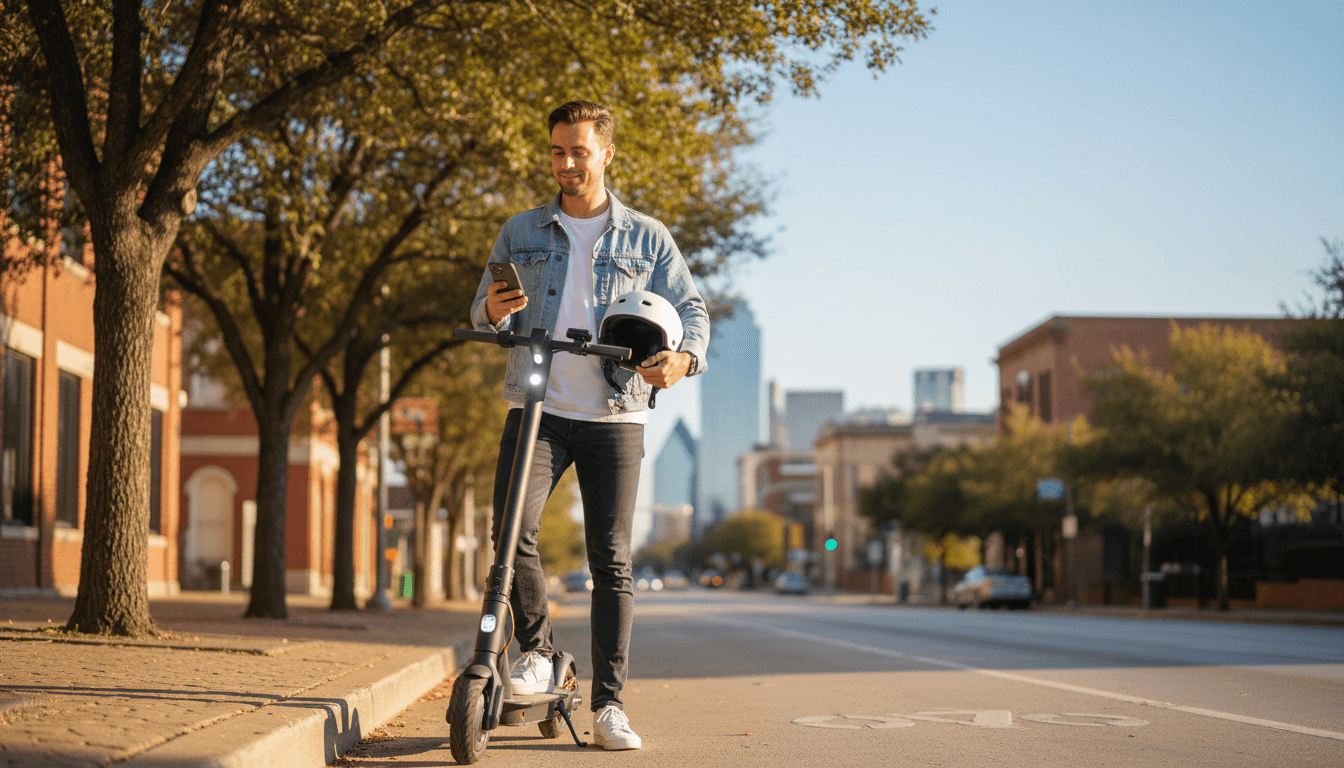
Texas offers a more permissive state framework that yields to local control. State law generally permits electric scooters on roads with speed limits of 35 mph or less. However, riders in Dallas must navigate the city’s specific micro-mobility program. In the Dallas Central Business District, for instance, riding on sidewalks is strictly prohibited to protect pedestrian traffic. This local nuance is critical; an accident occurring while riding on a prohibited sidewalk could lead to a liability claim being contested by an insurer.
Florida’s regulatory environment recently saw a major development when Governor DeSantis vetoed legislation that would have altered how local governments regulate these devices. Currently, Florida Statute 316.2128 treats electric scooters with the same rights and responsibilities as bicycles. This means riders can generally use bike lanes and streets, provided they follow standard traffic signals. Unlike states with heavier E-bike insurance requirements, Florida does not currently mandate insurance for these devices, though theft and liability coverage remain highly recommended for urban commuters.
State | Street Access | Max Speed | Key Local Detail |
|---|---|---|---|
California | Roads < 35mph / Bike lanes | 15 mph | Valid driver's license required |
Texas | Roads < 35mph | State limit: 20 mph | Dallas CBD sidewalk ban in effect |
Florida | Same as bicycles | Varies | Recent veto maintains local uniformity |
New Jersey | Roads / Bike lanes | 19 mph | Categorized as Low-Speed Electric Scooters |
In the Midwest and Northeast, Illinois and New Jersey have established clear boundaries. Illinois allows scooters on roadways but grants municipalities like Chicago the power to ban them from specific high traffic sidewalks. New Jersey’s 2019 legislation formally recognized "Low-Speed Electric Scooters," allowing them to operate at speeds up to 19 mph. Like bicycles, these devices do not require registration or a license in New Jersey, but they must follow all standard rules of the road.
The Insurance Connection: Why Laws Impact Your Coverage
Legal compliance serves as the foundation for any valid insurance claim. When riders operate vehicles that fall outside the definitions established by electric scooter laws by state, they risk a total denial of coverage. For example, using a 1000W scooter on public roads in a jurisdiction that strictly limits motorized scooters to 750W can be classified as an illegal act. In the event of an accident, an insurer may refuse to pay for damages or medical expenses if the device was never legally permitted to be on that roadway in the first place.
Accurate classification is also essential for selecting the correct product. A specialty e-bike policy is designed for Class 1, 2, or 3 vehicles, whereas a high performance scooter reaching 45 mph often requires a moped or motorcycle-style policy. Mismatching these categories can leave significant gaps in your protection. While most states do not currently mandate electric scooter insurance, the financial stakes for owners remain high. Personal liability is crucial for covering third-party injuries, and theft coverage is vital for protecting the investment in high-value rides. Consulting updated micro-mobility resources ensures that your equipment aligns with E-bike insurance requirements and local statutes, securing your financial recovery after an incident.