
E-bike insurance protects riders against theft, liability, and accidental damage that standard homeowners or renters policies often exclude. This e-bike insurance guide highlights how specialized coverage for Class 1, 2, and 3 bikes provides essential financial security for crashes, theft, and medical expenses.
Buying a premium electric bike is a significant investment in your mobility, yet many riders remain dangerously underinsured because they assume a standard homeowners or renters policy provides adequate protection. In reality, the complex intersection of motor power and high price points often leaves a gap that exposes you to thousands of dollars in potential losses from theft, accidental damage, or liability claims. Understanding the nuances of e-bike insurance is no longer a luxury for enthusiasts; it is a necessity for anyone navigating urban traffic or suburban trails. In this comprehensive guide, we examine how specific e-bike classifications dictate your coverage options and why dedicated policies are essential for commuters and delivery professionals alike. You will learn to evaluate the true cost of risk versus the price of a premium, ensuring that your ride remains protected against every eventuality on the road.
Why E-Bike Insurance is More Than a Luxury for Modern Riders
Dallas streets are witnessing a rapid shift in urban mobility. From the Katy Trail to the corridors of Deep Ellum, electric bikes have transitioned from weekend novelties to essential commuting tools. Despite their appearance, these machines are far more than upgraded bicycles. Their increased weight, which often exceeds 60 pounds, combined with speeds reaching up to 28 mph, places them in a unique risk category that traditional cycling policies rarely address.
The financial stakes are equally high. With many mid range models costing upwards of $3,000, a single incident of theft or a minor collision can result in a significant loss. This e-bike insurance guide aims to help riders navigate the often confusing territory where Texas bicycle laws meet complex motor vehicle insurance requirements. Understanding the nuances of finding specialized coverage is critical for anyone operating a motorized vehicle on public roads.
While Texas generally classifies e-bikes as bicycles, insurance underwriters often view them through a different lens due to their motorized components. Relying on basic assumptions about property coverage can lead to expensive gaps in protection. By examining how e-bike insurance works and gathering accurate e-bike insurance info, riders can bridge the gap between simple bike safety and comprehensive financial security.
The Three E-Bike Classes: How Your Ride Affects Your Coverage
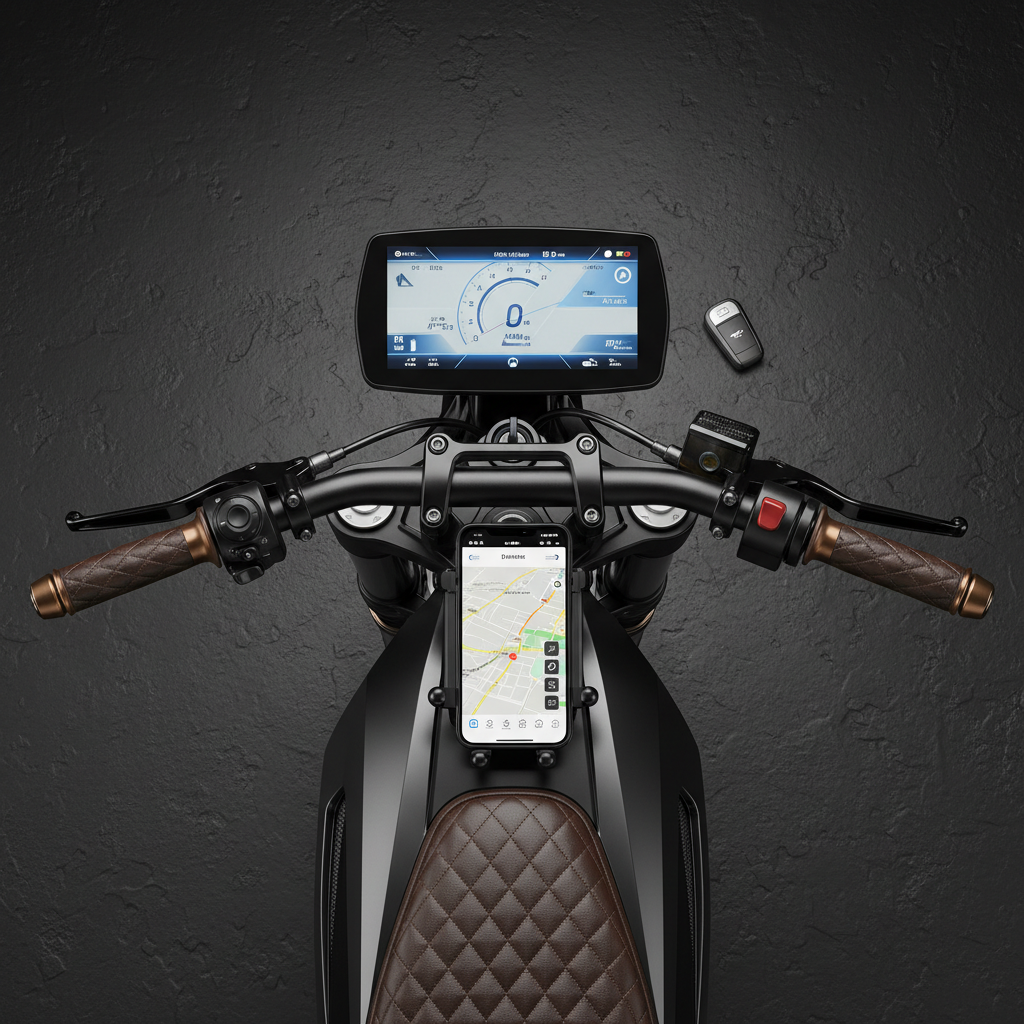
Before you begin comparing quotes, you must identify your bike's specific classification. The industry divides electric bicycles into three distinct categories, and where your ride falls determines the complexity of your policy requirements. Most manufacturers place a small sticker on the frame or near the motor indicating the class; checking this is the first step toward gathering accurate e-bike insurance info.
Class | Assistance Type | Max Assisted Speed |
|---|---|---|
Class 1 | Pedal-assist only | 20 mph |
Class 2 | Throttle-actuated | 20 mph |
Class 3 | Pedal-assist only | 28 mph |
Class 1 and Class 2 e-bikes are often grouped together by insurers because their motor assistance cuts off at 20 mph. The primary difference is the mechanism of power. Class 2 bikes include a throttle that allows the rider to propel the bike without pedaling. In Texas, these are generally treated as standard bicycles for the purposes of trail access and road use, but that does not mean a standard homeowners policy will automatically cover them.
Class 3 e-bikes represent a shift in the underwriting landscape. Because these bikes provide assistance up to 28 mph, they occupy a grey area between a traditional bicycle and a moped. Insurance companies frequently have more stringent underwriting rules for Class 3 bikes due to the increased kinetic energy involved in a potential collision. A heavier frame moving at 28 mph carries significantly more risk to the rider and third parties than a Class 1 bike.
While Texas law classifies all three tiers as bicycles, insurance providers are private entities that set their own risk thresholds. Some providers may decline coverage for Class 3 models entirely or require a higher premium based on the increased speed capability. Verifying your classification before finding specialized coverage ensures you are purchasing a policy that is actually valid in the event of a claim. Truly understanding how e-bike insurance works starts with knowing the exact specifications of your motor and assistance system.
The Homeowners and Renters Insurance Gap: What You Need to Know

Many Dallas residents assume their existing homeowners or renters insurance acts as a safety net for their new electric ride. However, this assumption often leads to a significant coverage gap when a claim is actually filed. As outlined in this e-bike insurance guide, the primary issue lies in how standard policies define a motorized vehicle. Most HO-3 or renters policies contain explicit exclusions for vehicles designed for road use that possess a motor. Because your e-bike features a battery and motor, it often falls into the same excluded category as a car or motorcycle, leaving you with zero protection in the event of a total loss.
Even if your specific provider offers a bicycle sub-limit, the financial protection is usually inadequate for the modern e-bike market. A standard policy might cap personal property coverage for bicycles at $500 or $1,000. For a rider who invested $3,000 or more in a high-end commuter model, this leaves a multi-thousand-dollar deficit. Furthermore, these policies typically only cover theft if it occurs within the residence. If your bike is stolen from a rack outside a coffee shop in Uptown, a standard renters policy will likely deny the claim entirely.
Liability is another critical area where how e-bike insurance works differs from traditional property insurance. If you are involved in a collision that causes property damage or injury to others, your homeowners policy might refuse to defend you because the incident involved a motorized device. Reviewing e-bike insurance info reveals that specialized policies are designed to fill these specific voids. Instead of relying on a policy that was not built for electric mobility, finding specialized coverage ensures that your investment and your personal assets remain protected regardless of where the road takes you.
Essential Coverages: From Theft Protection to Personal Liability
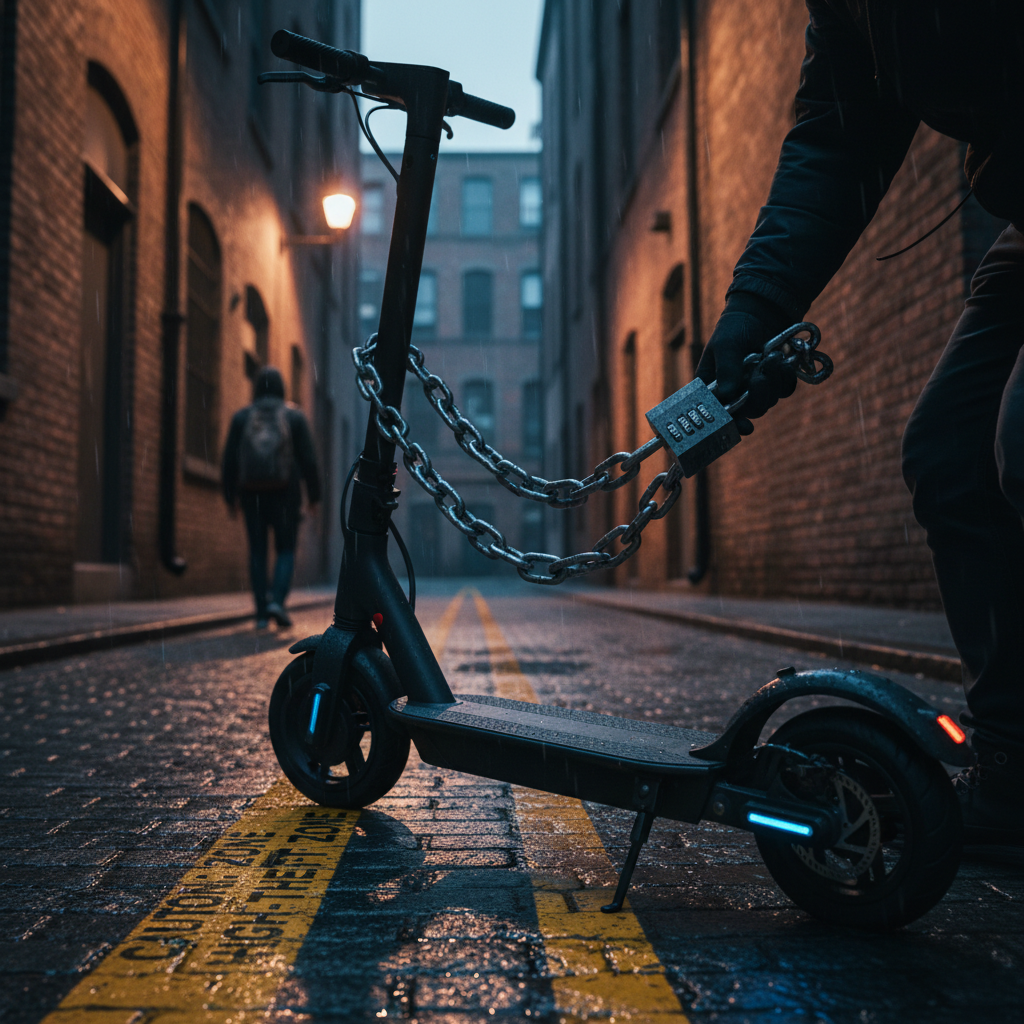
Transitioning from the restrictive caps of homeowners policies requires an understanding of how specialized underwriters partition risk. A functional e-bike insurance guide must emphasize four essential coverage areas that directly address the realities of cycling in a high-traffic urban environment like Dallas.
Theft protection serves as the primary driver for finding specialized coverage. While standard property insurance often limits coverage to the residence, a dedicated e-bike policy follows the vehicle. If a thief cuts a lock outside a transit station or while you are visiting a business in the Design District, the policy is designed to cover the replacement cost. Riders should note that these policies often mandate specific security measures, such as using a U-lock or a chain with a specific security rating, to maintain valid coverage for theft that occurs in public spaces.
Personal liability is the second pillar, protecting your personal assets if you are held responsible for an accident. The increased kinetic energy of a 28 mph Class 3 e-bike means that a collision with a pedestrian or another cyclist can lead to significant medical claims. Liability coverage pays for third-party injuries and property damage, providing a legal defense if you are sued following a crash. This is especially important for commuters who share high-density roads with both vehicles and foot traffic.
Medical payments coverage provides for the rider’s own healthcare expenses. This specific provision covers your emergency room visits, imaging, or physical therapy regardless of who caused the incident. For riders with high-deductible health plans, this acts as a critical financial buffer, ensuring that a crash does not lead to overwhelming out of pocket medical debt.
Lastly, uninsured and underinsured motorist coverage is an indispensable tool for navigating Dallas roads. North Texas has a significant volume of motorists driving without state-mandated insurance. If you are involved in a hit and run or struck by an uninsured driver, this coverage ensures your medical bills and bike repairs are paid by your own insurer. Mastering these components is central to understanding how e-bike insurance works and gathering the necessary e-bike insurance info to secure your commute.
Is E-Bike Insurance Worth It? Calculating Cost vs Risk
Determining the value of a policy requires a cold look at the numbers. Most specialized policies for Dallas riders range from $10 to $30 per month, which is a manageable expense when compared to the capital investment of the bike itself. When evaluating if the coverage is justified, consider two primary financial threats: total loss through theft and legal liability from a road accident.
Expense Type | Out-of-Pocket Cost | Annual Premium Cost |
|---|---|---|
Mid-Range E-Bike Replacement | $3,000 to $4,500 | $120 to $360 |
Minor Liability (Pedestrian Injury) | $15,000 or more | Included in Premium |
Emergency Roadside Assistance | $150 to $300 | Included in Premium |
If a $3,000 e-bike is stolen from a rack in Victory Park, an uninsured rider loses the entire asset immediately. By contrast, a rider who invested in finding specialized coverage is typically only responsible for a small deductible, often $100 or $250. The math for liability is even more lopsided; a single collision involving a pedestrian can result in medical bills and legal fees exceeding $20,000. Paying roughly $200 a year to transfer that risk is a pragmatic decision for anyone navigating high traffic areas. Reviewing e-bike insurance info helps riders see that these policies often include extras like roadside assistance, which further tips the scale toward a positive return on investment. Understanding how e-bike insurance works reveals that this e-bike insurance guide is ultimately a tool for long term financial preservation.
Insurance for E-Bike Commuters and Delivery Drivers
The rise of the gig economy in Dallas has turned e-bikes into vital business assets. For those using a Class 2 or Class 3 bike for UberEats, DoorDash, or local courier services in the Central Business District, the risk profile changes significantly. Most personal policies contain a specific exclusion for commercial use. This means if an accident occurs while you are on the clock, your claim for property damage or liability could be denied immediately.
When researching e-bike commuting delivery work insurance, you must verify if a policy includes a commercial endorsement. Standard e-bike insurance info often highlights theft and basic liability, but these protections typically pause the moment you log into a delivery app. If you rely on your ride for income, being transparent about your usage while finding specialized coverage is the only way to ensure the policy is enforceable.
To confirm your status, ask providers specifically about business use riders or gig work extensions. Understanding how e-bike insurance works in a professional context prevents the devastating scenario of a total loss without recourse. Use this e-bike insurance guide as a checklist to confirm that your specific delivery platform does not leave you exposed while navigating high traffic Dallas corridors.
Navigating the complexities of e-bike coverage can feel overwhelming, but securing the right policy is the best way to protect your investment and your safety on the road. Whether you are worried about theft, liability, or accidental damage, having professional guidance ensures you do not leave anything to chance. If you want expert help tailoring a plan to your specific riding habits, we are here to simplify the process. You can see how it works to discover how we help riders find total peace of mind.