E-bike vs scooter vs electric motorcycle insurance requirements depend on the vehicle's speed and power, with e-bike and scooter policies typically costing between $50 and $100 per year. Electric motorcycles require standard motorcycle insurance that averages significantly more, around $178 per month, due to higher performance and liability risks. Specialized policies are often necessary because standard homeowners and auto insurance frequently exclude coverage for these electric two-wheelers.
Most riders assume their current homeowners or auto policy covers their electric investment, yet they often only discover the coverage gap after an accident or theft. Whether you commute on a high speed electric scooter or cruise on a street legal electric motorcycle, the insurance landscape is dictated by technical specifications rather than just rider preference. Misclassifying your vehicle can lead to denied claims, lost investments, or significant legal liability. In this guide, we examine how speed and wattage dictate your policy requirements across the United States. You will learn the specific differences between liability and comprehensive coverage for micromobility, the financial impact of aftermarket modifications, and why a specialized policy is the only way to protect your asset. We break down the costs and state specific regulations to ensure you remain fully protected on the road.
Understanding the Classes: How Speed and Wattage Dictate Your Policy
Navigating the landscape of e-bike vs scooter vs electric motorcycle insurance begins with a technical audit of your ride. Insurers do not just look at the brand name; they categorize your vehicle based on its motor wattage and top assisted speed. In the United States, federal and state guidelines generally group e-bikes into three classes, all of which are technically capped at a 750-watt motor output.
Vehicle Type | Max Assisted Speed | Power Source | Legal Classification |
|---|---|---|---|
Class 1 E-bike | 20 mph | Pedal Assist only | Bicycle |
Class 2 E-bike | 20 mph | Throttle and Pedal Assist | Bicycle |
Class 3 E-bike | 28 mph | Pedal Assist only | Bicycle / Moped |
Standing Scooter | 15-20 mph | Deck-mounted motor | Micromobility Device |
Electric Motorcycle | 28+ mph | High-wattage motor | Motor Vehicle |
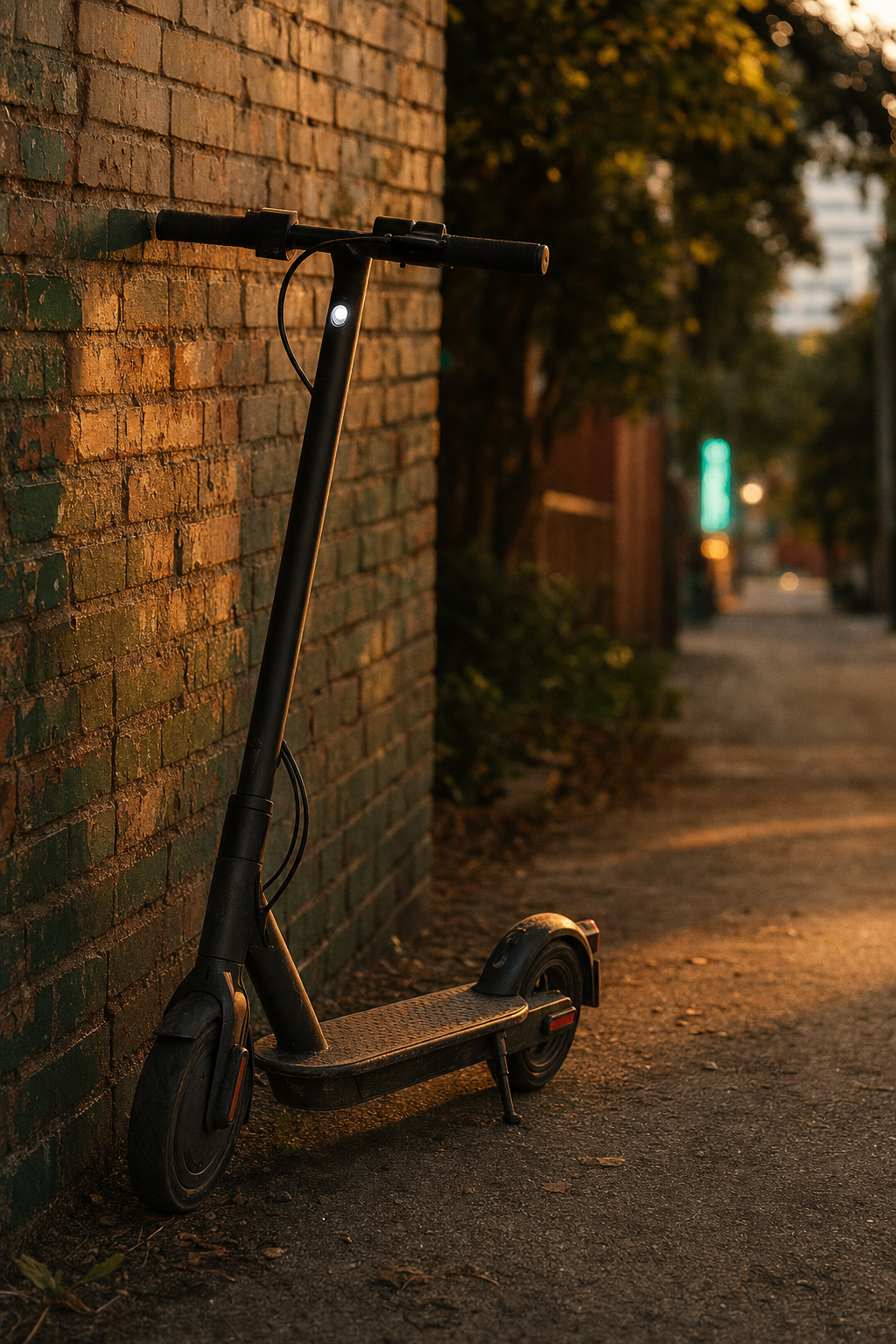
Class 1 and 2 e-bikes are usually treated as bicycles, meaning they rarely require a license or registration. Class 3 e-bikes provide assist up to 28 mph and are often the highest performance tier covered under standard E-bike insurance info. Standing scooters, which lack pedals and feature a floorboard, require specialized e-scooter insurance info due to their unique liability profile on urban sidewalks and bike lanes.
A significant complication arises in the gray area of high-performance rides. Many manufacturers sell vehicles marketed as e-bikes that feature 1,000-watt or 2,000-watt motors. Even if these machines have functional pedals, their technical specifications push them out of the bicycle category and into the realm of motor vehicles. If you own a ride that exceeds the 750-watt limit or can reach 35 mph without modifications, an insurer will likely classify it as a motorcycle. In these instances, you must consult an electric motorcycle insurance guide to find a policy that requires a VIN and vehicle registration, as standard e-bike policies will typically deny claims for overpowered vehicles.
Coverage Breakdown: Liability, Comprehensive, and Collision
Understanding the technical classes is only the first step; the real value lies in how a policy responds to a loss. When comparing e-bike vs scooter vs electric motorcycle insurance, the specific risks of each vehicle dictate the necessary coverage layers.
For e-bikes, the primary concerns are theft and third-party liability. High-quality E-bike insurance info provides coverage for repairs if the bike is damaged in a crash and protects your assets if you accidentally injure a pedestrian or another cyclist. Because e-bikes are frequently targeted by thieves in urban environments, specialized policies often include replacement cost coverage for theft, even when the bike is locked away from your primary residence.
Standing scooters face similar risks, but their portability and frequent use in city centers make them particularly vulnerable to vandalism. Dedicated e-scooter insurance info typically bundles theft and vandalism protection with basic liability. This is essential given that these devices often operate in high-traffic pedestrian zones where the risk of a minor collision is elevated.
Electric motorcycles require a more robust approach, mirroring traditional auto insurance. Owners should prioritize collision coverage to handle the high cost of repair for specialized frames and fairings, along with medical payments (MedPay) to cover personal injuries. Reviewing an electric motorcycle insurance guide is critical here, as these policies must account for the high torque and speed capabilities that differentiate these machines from light micromobility devices.
A critical advantage of specialized coverage is the protection of electric-specific components. Standard policies often overlook lithium-ion batteries and electronic controllers, which can account for up to 40 percent of a vehicle's value. Specialized providers ensure these high-tech parts are covered against electrical faults or fires, filling a gap that generalized insurance products leave open.
The Insurance Gap: Why Your Current Auto or Homeowners Policy Is Not Enough
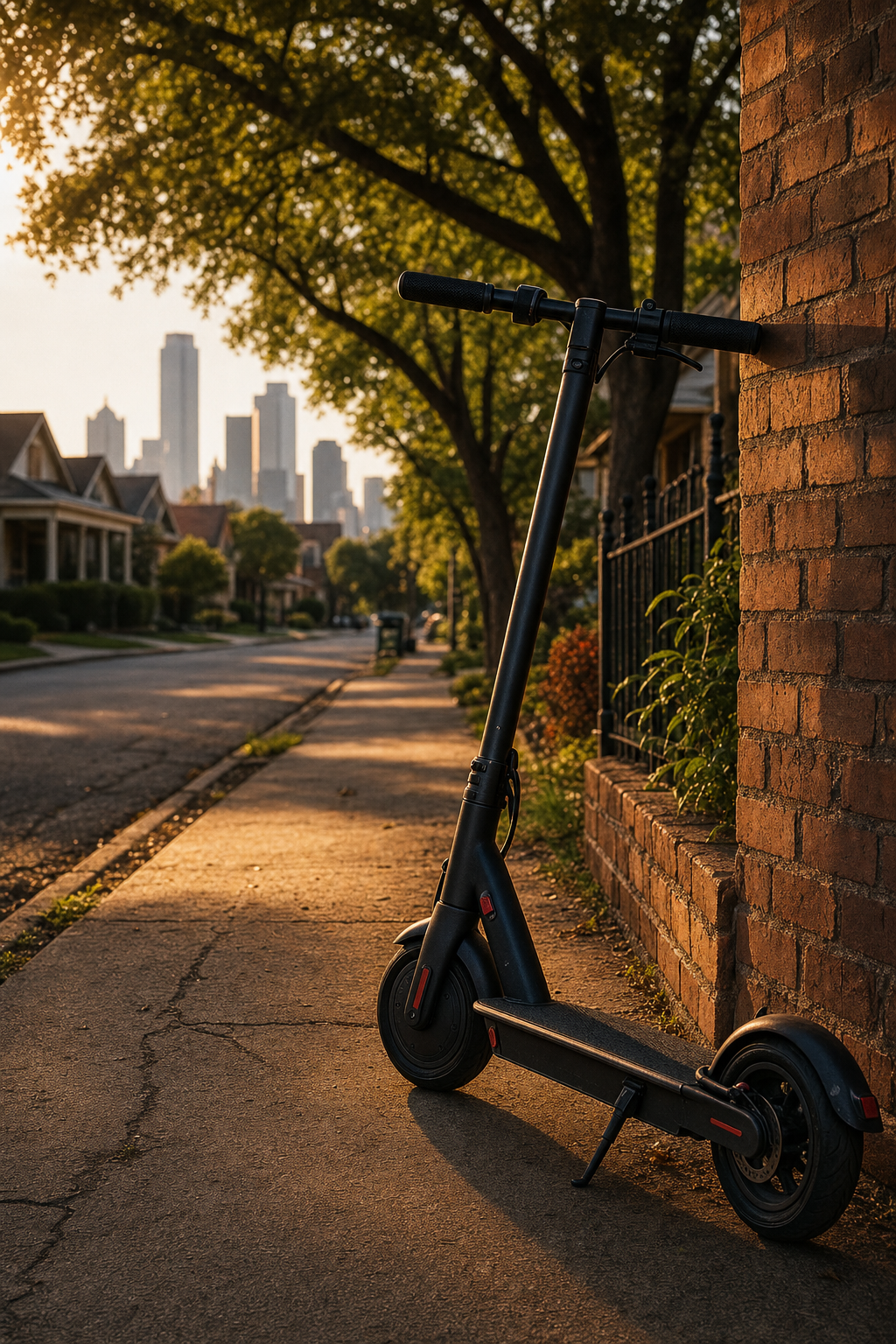
Relying on existing personal lines of insurance often leaves riders with significant financial exposure. A frequent misconception is that homeowners or renters insurance provides sufficient protection for micromobility devices. While a standard homeowners policy might cover a non motorized bicycle for theft, most carriers explicitly exclude motorized vehicles from liability coverage once they leave your primary residence. If you collide with a pedestrian three blocks away, your home policy will likely deny the claim.
Similarly, standard auto insurance is not built to accommodate e-bikes or standing scooters. These policies require a vehicle to be registered and listed, a requirement that Class 1 through 3 e-bikes and many scooters cannot meet. This leaves a void in coverage for medical payments and collision damage. Even for faster rides, an electric motorcycle insurance guide will show that specific VIN registration is necessary for auto-style coverage to apply.
Specialized E-bike insurance info and e-scooter insurance info are designed to bridge this gap, particularly regarding technical risks. High value lithium ion batteries are susceptible to thermal runaway and fire, especially if damaged in a crash or during charging. Because these batteries can cost upwards of $900 to replace, having a policy that explicitly covers electrical malfunctions and battery fires is vital. When evaluating e-bike vs scooter vs electric motorcycle insurance, it becomes clear that only dedicated policies provide the specific language needed to protect high tech electric components.
Price Analysis: How Much Does Each Policy Type Cost?

Moving from technical coverage gaps to the financial bottom line reveals a clear hierarchy in premiums. The cost of e-bike vs scooter vs electric motorcycle insurance is primarily dictated by the vehicle's kinetic energy and its potential to cause third-party property damage or personal injury.
Vehicle Category | Estimated Cost | Payment Frequency |
|---|---|---|
Standing Scooter / Moped | $50 – $75 | Annual |
Class 1-3 E-bike | $75 – $100 | Annual |
Electric Motorcycle | ~$178 | Monthly |
Low-speed standing scooters represent the lowest risk profile for insurers. Specialized e-scooter insurance info indicates that because these devices typically top out at 15 to 20 mph, the liability risk remains manageable. E-bikes command a slightly higher premium, often starting between $75 and $100 annually, to account for higher replacement values and the increased mileage users often log. You can find more detailed E-bike insurance info regarding how theft deductibles impact these annual rates.
Electric motorcycles represent a significant shift in pricing, averaging $178 per month. This cost reflects high-voltage systems, speeds exceeding 28 mph, and the necessity for full collision and medical payment coverage. Unlike light micromobility devices, electric motorcycles are treated as road-going vehicles. Consulting an electric motorcycle insurance guide is essential to navigate these higher premiums; they are driven by the vehicle's ability to sustain highway-speed impacts and the high cost of specialized battery repairs.
The Danger of Modifications: Why Speed Limiters Matter to Insurers
While factory specifications dictate your initial premium, aftermarket modifications can render a policy worthless. Many riders attempt to "tune" their devices by removing electronic speed limiters or installing high-output batteries to exceed the 28 mph threshold. From a risk assessment perspective, a modified vehicle is no longer the product that was underwritten. If you bypass a factory limiter, you likely void your E-bike insurance info immediately.
Insurance carriers are increasingly sophisticated in their claims investigations, often auditing motor controller data following a high-speed collision. If evidence suggests the vehicle was altered to operate outside its legal class, the insurer can deny the claim based on material misrepresentation. This risk extends to "gray area" bikes that are software-locked to Class 3 speeds but possess motors capable of 40 mph or more. Some national carriers have begun dropping coverage for these models entirely, fearing that a simple software toggle could transform a bicycle into an unlicensed motorcycle. When evaluating e-bike vs scooter vs electric motorcycle insurance, it is vital to keep your ride within its legal wattage and speed caps to ensure your liability protection remains intact.
State Specific Considerations: From Dallas to California
Regulatory landscapes shift significantly the moment you cross state lines, directly impacting your coverage options. In Texas, the state legislature aligns with federal standards by recognizing the three-class e-bike system. This classification means Class 1 and 2 e-bikes are legally treated as bicycles, allowing riders to operate them without a driver's license or state registration. Consequently, obtaining E-bike insurance info is often a streamlined process, as insurers align their liability structures with these bicycle-equivalent rules.
California takes a more granular approach, particularly with standing motorized scooters. While Texas may be more lenient regarding where these devices can operate, California law dictates that motorized scooters cannot exceed 15 mph on public roads and requires riders to hold a valid driver's license, even though the vehicle itself does not require a license plate. When evaluating e-bike vs scooter vs electric motorcycle insurance, these legal nuances dictate the policy form. If a state classifies a 50cc-equivalent electric scooter as a moped requiring a license, a specialized e-scooter insurance info provider will typically mirror those legal requirements in their underwriting criteria.
The bridge between state law and insurance is most visible with high-power rides. In jurisdictions where any two-wheeled vehicle capable of exceeding 30 mph requires a VIN and registration, a standard bicycle policy is no longer an option. Riders must instead consult an electric motorcycle insurance guide to find coverage that satisfies state financial responsibility laws. Always verify local municipal definitions; a scooter in Dallas may be regulated entirely differently than one in Los Angeles, directly affecting your eligibility for specific coverage tiers.
Common Questions About Electric Ride Insurance
Navigating the nuances of e-bike vs scooter vs electric motorcycle insurance requires addressing specific ownership concerns that standard policies overlook. These targeted answers provide clarity on the most common coverage hurdles.
Is e-bike insurance worth it? For most riders, the answer is yes. Given that specialized premiums typically range from $75 to $100 per year, the coverage provides a significant safety net for vehicles that often cost several thousand dollars. Beyond theft, the primary value lies in liability protection, which secures your personal assets if you cause an accident. Detailed E-bike insurance info shows that these policies cover gaps that homeowners insurance typically excludes.
Does renters insurance cover a stolen e-bike battery? Usually, no. Renters and homeowners policies generally exclude motorized vehicles and their specialized parts. Because a high-capacity lithium-ion battery can cost $900 or more to replace, relying on a standard property policy often results in a denied claim. Standalone coverage ensures that technical components are protected from both theft and electrical failure.
Do I need insurance for a 50cc moped? Legal requirements vary by state. If your vehicle requires a license plate or registration, you must carry liability insurance. Even in states where it is not mandated, the high torque of electric motors increases the risk of property damage. Consulting an electric motorcycle insurance guide or reviewing e-scooter insurance info will help you determine the specific requirements for your local jurisdiction.
Understanding the nuances of e-bike, scooter, and motorcycle insurance is essential for staying protected on the road. Each vehicle requires a specific approach to coverage based on its speed, power, and local regulations. If you want expert help finding the perfect policy for your situation, our team is ready to assist you. Making an informed choice ensures you can ride with confidence and peace of mind. For more guidance on navigating these options, feel free to check out our E-Bike Info resources today.