The average electric ride insurance cost typically starts around $100 per year for e-bikes and ranges from $10 to $50 per month for electric scooters. Total premiums vary based on vehicle value and coverage limits; however, riders can often reduce rates through multi-policy discounts or by completing recognized safety courses.
You finally purchased the high performance electric ride of your dreams, only to realize that your standard homeowners policy leaves a massive gap in coverage for theft or liability. Finding an accurate estimate for electric ride insurance can feel like navigating a complex maze of variables and confusing terminology. This financial clarity is crucial because the wrong policy can leave you underinsured or overpaying for basic protections. In this guide, we will break down the specific cost structures for electric bikes, scooters, and motorcycles across different performance classes. You will learn about the primary factors that influence your premium, such as vehicle value and rider history. Additionally, we will explore specific regional considerations for Texas riders and share practical strategies to secure smart discounts without sacrificing your peace of mind.
Understanding the Price Spectrum for Electric Rides
Determining the exact electric ride insurance cost requires looking at the vehicle category, its performance specs, and its total replacement value. For many owners, basic liability coverage provides a low entry point, often starting between $75 and $100 per year. However, as riders move toward full coverage that includes theft and physical damage, the price spectrum expands to reflect the hardware being protected.
Vehicle Type | Typical Annual Range | Monthly Starting Point |
|---|---|---|
E-Bikes | $100 to $300 | ~$9 |
E-Scooters | $120 to $600 | ~$10 |
Electric Motorcycles | $250 to $1,000+ | ~$21 |
Standalone e-bike insurance info typically reflects the bike's MSRP, covering theft and specialized parts that standard homeowners' policies might exclude. Similarly, e-scooter insurance info accounts for the high portability and theft risk inherent to micro-mobility devices. High-performance electric motorcycles sit at the top of the spectrum; their premiums are influenced by battery replacement costs and road-going registration requirements.
Because premiums are dictated by an underwriter's specific appetite for risk, prices vary significantly between agencies. Electric Ride Insurance functions as a specialized comparison platform, aggregating these diverse rates to help riders get a customized insurance quote that aligns with their specific vehicle value and riding habits.
Electric Bike Insurance Cost: Breakdown by Class and Value
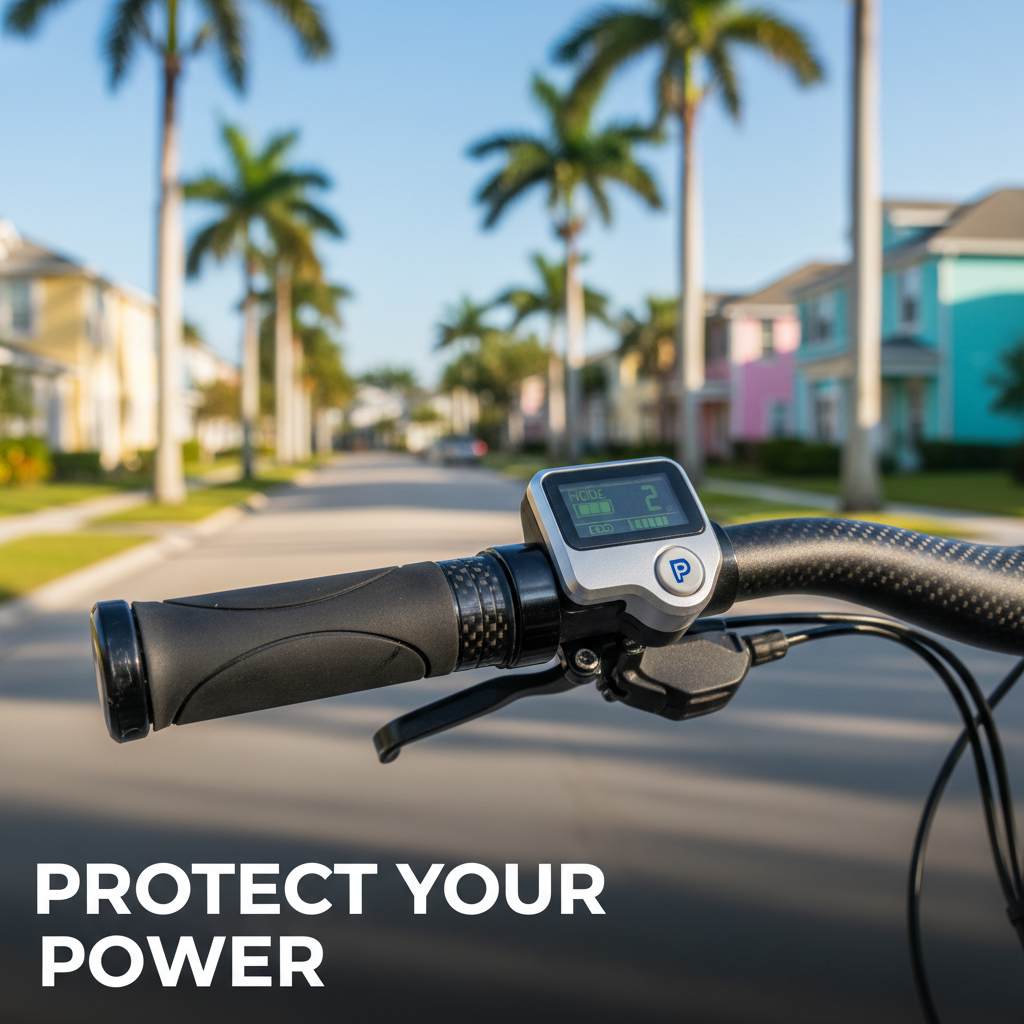
The annual electric ride insurance cost for e-bikes generally clusters between $100 and $300. This range covers a vast majority of the mid-market builds seen on Dallas trails today. The specific premium depends largely on the classification of the motor and the bike's MSRP.
E-Bike Class | Top Assisted Speed | Primary Cost Drivers |
|---|---|---|
Class 1 | 20 mph (Pedal Only) | Lower liability; focused on theft and damage. |
Class 2 | 20 mph (Throttle) | Moderate liability due to non-pedal operation. |
Class 3 | 28 mph (Pedal Only) | Higher liability risks due to increased speed. |
A high-quality commuter like a Rad Power RadCity or an Aventon Level.2 carries a replacement value of approximately $1,800 to $2,000. Specialized agencies calculate your rate based on this value, ensuring you can return to the road immediately after a total loss.
Many riders mistakenly assume their homeowners or renters insurance provides sufficient coverage. However, most standard property policies include a motorized vehicle exclusion. Once a bicycle is equipped with a motor, regardless of its wattage, it often falls outside the scope of traditional personal property coverage. This leaves you vulnerable to out of pocket costs for both theft and third-party liability claims.
When you get a customized insurance quote, pay close attention to the valuation method. An Actual Cash Value policy pays out what the bike is worth at the time of the claim, accounting for wear and tear. Conversely, a No Depreciation or Replacement Cost policy ensures you receive the full MSRP to buy a brand new model. While the latter may increase your annual premium by a small margin, it prevents the financial sting of a depreciated payout on a two-year-old bike. For more technical details on coverage limits, consult our e-bike insurance info page.
Electric Scooter Insurance Cost: Theft Protection and Liability
Transitioning from e-bikes to stand-up e-scooters involves a shift in how insurers perceive risk. While e-scooters are often more affordable to purchase than high-end e-bikes, the monthly electric ride insurance cost typically sits between $10 and $50. This premium range is largely driven by the specific portability of the hardware, which presents a unique set of challenges for underwriters.
Unlike a bulky e-bike, a high-performance scooter like an Apollo Phantom or a Segway Ninebot Max can be folded and carried into a building; however, this same convenience makes them prime targets for opportunistic theft. Professional thieves prioritize items that are easy to move and difficult to track. Consequently, comprehensive coverage, which includes theft protection, remains the most requested feature for scooter owners. Because scooters are easier to snatch than locked bikes, the comprehensive portion of a premium can sometimes be higher relative to the vehicle's total value.
Coverage Feature | Priority Level | Benefit for Scooter Riders |
|---|---|---|
Theft Protection | High | Covers replacement if the unit is stolen from a public rack or vehicle. |
Liability | High | Protects against costs if you collide with a pedestrian or damage a car. |
Collision | Moderate | Pays for repairs to your Apollo or Segway after a crash. |
Many riders specifically look for online insurance without registration to avoid the bureaucratic hurdles of the DMV. Since most e-scooters are not classified as road-legal motor vehicles in many jurisdictions, they occupy a regulatory gray area. Specialized policies bridge this gap by providing full coverage based on the device serial number rather than a state-issued license plate. If you are navigating these requirements, reviewing e-scooter insurance info can clarify which local regulations apply. To see how theft protection and liability limits impact your specific rate, you can get a customized insurance quote tailored to your scooter's MSRP and your primary riding location.
Electric Motorcycle Insurance: Why Performance Impacts Your Premium
High-performance electric motorcycles represent a significant step up in both power and regulatory oversight. When insuring a machine like a Zero SR/F or a LiveWire One, the electric ride insurance cost typically mirrors the premiums for traditional internal combustion motorcycles, often ranging from $250 to over $1,000 annually. Unlike the regulatory gray areas surrounding micro-mobility, these vehicles require formal registration, a license plate, and a motorcycle endorsement. This makes the insurance structure more rigid, as policies must adhere to state-mandated liability minimums.
Underwriters evaluate these bikes based on their rapid acceleration and high-performance components. While you might benefit from a green vehicle discount for choosing an eco-friendly ride, you may also encounter a surcharge for specialized parts. The cost of replacing a proprietary electric motor or a high-capacity battery pack is often higher than repairing a standard gasoline engine; this reality is reflected in the comprehensive and collision premiums.
Insurance Factor | Impact on Electric Premium |
|---|---|
Instant Torque | Higher liability and collision risk profiles. |
Battery Replacement | Specialized parts surcharge for high-value components. |
EV Status | Potential green vehicle discounts from select agencies. |
Legal Status | Fixed costs based on mandatory state registration and licensing. |
Because these bikes are handled as motor vehicles, the underwriting process is more thorough than it is for lower-speed alternatives. To determine how your specific bike's performance specs impact your rate, you can get a customized insurance quote through our platform, which compares specialized providers familiar with high-voltage hardware.
Key Factors That Influence Your Personal Quote

While the vehicle category sets the baseline, individual underwriting variables finalize your specific electric ride insurance cost. Underwriters evaluate risk through a combination of hardware value and environmental factors to determine a unique premium for every rider.
The primary drivers for your quote include: - Replacement Cost: The MSRP of your ride is the most significant factor for comprehensive and collision coverage. - Geographic Location: Residents in Dallas often face higher rates than those in rural Texas due to increased traffic density and theft statistics in urban corridors. - Intended Use: Daily commuters face more exposure to risk than weekend recreational riders, which is reflected in the liability portion of the policy. - Rider Demographics: Just as with traditional vehicles, rider age and experience levels influence the perceived risk of accidents.
Beyond the vehicle itself, you should consider the value of your gear. Adding coverage for 'carried contents' or 'custom accessories' provides protection for non-stock items. Most specialized policies offer tiers for these additions, ranging from $3,000 to as much as $30,000. While this may add only a few dollars to your monthly premium, it ensures that expensive upgrades like aftermarket batteries, GPS units, or safety apparel are covered in a total loss. For those needing deep dives into how these factors apply to specific platforms, our e-bike insurance info and e-scooter insurance info pages detail the nuances of valuation. To see how these variables interact for your specific setup, you can get a customized insurance quote to compare available limits across different providers.
The Texas Advantage: Navigating Rates in Dallas and Beyond

Riding in Dallas presents a specific set of environmental risks that influence your electric ride insurance cost. Navigating high-density corridors like Uptown or the narrow, pedestrian-heavy streets of Deep Ellum increases your liability exposure compared to riders in suburban North Texas. Underwriters account for the local traffic culture and the high frequency of vehicle-to-micromobility interactions when calculating rates for urban commuters.
Fortunately, being a Texas rider offers unique paths to savings. Completing a recognized safety course, such as those approved by the Texas Department of Public Safety, often qualifies you for a specialized discount. These certifications signal to insurers that you are a lower-risk operator capable of handling complex urban environments safely.
For residents looking to protect a high-speed commuter, reviewing specific e-bike insurance info or e-scooter insurance info regarding local regulations is vital. You can get a customized insurance quote through our Dallas-based platform to see how these Texas-specific variables and safety credits lower your total annual premium.
How to Save Money on Electric Ride Insurance: Smart Discounts

Lowering your electric ride insurance cost starts with leveraging discounts that standard underwriters offer for low-risk behavior. Bundling is often the most significant saver; if you already have an auto or homeowners policy, adding your electric ride can trigger multi-policy discounts that reduce the total premium of both. For those with stable cash flow, paying the full annual premium upfront is a smart move to eliminate the installment fees that many agencies add to monthly billing cycles.
Safety education provides another avenue for savings. Completing a motorcycle safety course, even if you only ride a stand-up scooter, demonstrates to insurers that you understand rules of the road and defensive riding techniques. Furthermore, maintaining a clean record qualifies you for 'Responsible Driver' incentives, which are common across major carriers to reward a history of no claims or traffic violations.
Discount Type | Typical Saving | Requirement |
|---|---|---|
Multi-Policy | 5% to 10% | Link auto, home, or renters insurance. |
Paid-in-Full | $10 to $25 | Pay the entire annual premium at once. |
Safety Course | 5% to 15% | Completion of a state-approved rider course. |
Responsible Driver | Varies | No at-fault accidents or citations in 3 to 5 years. |
While individual discounts help, the most effective strategy is to compare rates across the market. Because different agencies weight factors like battery value or theft risk differently, using a platform like ours to get a customized insurance quote is the only way to uncover hidden savings. When reviewing e-bike insurance info or comparing e-scooter insurance info, a comparison tool ensures you aren't overpaying for basic coverage.
Finding the right balance between coverage and cost for your electric vehicle doesn't have to be a guessing game. While rates fluctuate based on your ride type and usage, the primary goal is always to secure your investment without overpaying. If you would like expert assistance in navigating these variables, we are here to simplify the process. You can explore how it works to see our streamlined approach to finding you the best policy. Let us help you ride with total confidence.