Electric motorcycle insurance typically covers liability, collision, and comprehensive damage just like traditional motorcycle policies; however, it often includes specific protections for high-cost battery systems and home charging stations. While premiums are generally comparable to gas-powered alternatives, riders should select coverage that accounts for the higher repair costs associated with electric drivetrains and specialized electronics.
You finally made the switch to electric power, but your insurance agent is still treating your Zero or Surron like a standard 600cc sportbike. This disconnect often leads to gaps in coverage, especially when it comes to the high cost of lithium-ion batteries and the unique liability risks of silent operation. Navigating the world of specialized premiums requires more than just a basic policy; it demands an understanding of how electric drivetrains change your risk profile. In this guide, we break down the critical differences between electric and gas motorcycle insurance. You will learn about essential coverage types, how to protect your battery, and why silent operation impacts your liability needs. We also provide a clear outlook on costs across top brands to ensure your ride is as secure as it is efficient.
Do You Actually Need Electric Motorcycle Insurance?

Determining if you need coverage starts with understanding how the law classifies your ride. In Texas, the line between a power-assisted bicycle and a motorcycle is drawn by speed and engine output. According to Texas DMV standards, a moped is defined as a vehicle that cannot exceed 30 mph, while anything more powerful is categorized as a motorcycle. If your ride requires a title, registration, and a Class M license to operate on public roads, then electric motorcycle insurance is a legal requirement.
Many riders face confusion when dealing with high performance electric bikes that blur the lines between traditional categories. While a Class 1, 2, or 3 e-bike may not require a policy, high-wattage electric motorcycles capable of highway speeds certainly do. In cities like Dallas, law enforcement strictly monitors registration for vehicles operating in traffic. Operating without the state-mandated 30/60/25 liability coverage can result in heavy fines or vehicle impoundment.
Reviewing an electric motorcycle insurance guide helps clarify these legal distinctions before you head out. You can also learn how our comparison process works to identify which providers recognize your specific make and model. If you are ready to secure your registration, you can get a specialized insurance quote to ensure you meet all Texas Department of Public Safety requirements.
Electric vs Gas Motorcycle Insurance: The Real Differences
Once you establish that your ride requires registration, the next step is understanding why the premium on a Zero or LiveWire often tracks 10 to 20 percent higher than a traditional internal combustion engine (ICE) bike. Insurers calculate rates based on the total cost to restore the vehicle to its pre-accident condition, and electric bikes present a unique set of financial variables for underwriters.
Three primary factors drive these higher premiums: - Higher MSRP: The initial purchase price for electric motorcycles remains elevated compared to gas alternatives, leading to higher valuations for comprehensive and collision coverage. - Specialized Repair Labor: Servicing a high-voltage powertrain requires technicians with specific certifications. In the Dallas metroplex, labor rates for these specialists are often significantly higher than those for standard mechanics who work on traditional engines. - Battery Replacement Costs: A damaged lithium-ion battery pack can cost $5,000 to $12,000, which often accounts for nearly half the bike's value. Even a minor frame impact that compromises the battery housing can result in the insurer declaring the vehicle a total loss.
The risk profiles also differ fundamentally. While traditional motorcycles carry risks like fuel fires and third-degree exhaust burns, electric models face the challenge of silent operation. In dense urban areas like Uptown or the Dallas Arts District, pedestrians often rely on auditory cues to detect approaching traffic. The lack of engine noise increases the statistical likelihood of low-speed pedestrian collisions, a factor that underwriters weigh heavily when setting liability limits.
Factor | Gas Motorcycle | Electric Motorcycle |
|---|---|---|
Average Premium | Baseline | 10% - 20% Higher |
Primary Safety Risk | Fuel leaks / Exhaust burns | Silent operation / Pedestrian impact |
Repair Complexity | Broadly available parts/labor | Specialized components/EV techs |
Total Loss Threshold | Moderate (frame/engine damage) | High (battery casing compromise) |
To see how these variables impact your specific model, you can get a specialized insurance quote to compare regional rates and find providers that understand the nuances of electric powertrains.
Essential Coverage Types for Your Electric Ride

While Texas law requires basic 30/60/25 liability, securing an electric ride requires a more nuanced approach to policy structure. Standard liability only covers damages you cause to others; it does nothing to protect the significant financial investment represented by a high-output battery and motor system.
Collision and Comprehensive coverage are non-negotiable for most electric owners. High-performance models are frequently targeted for theft due to their portability and high-value components. Furthermore, because electric bikes rely on integrated software and proprietary hardware, even a minor accident can necessitate replacing a high-voltage controller or a display unit that costs thousands of dollars. Unlike gas bikes where aftermarket parts are plentiful, electric components are often manufacturer-specific and expensive to source. Without collision coverage, a simple low-speed slide in a Dallas parking garage could result in a total loss due to the specialized nature of these parts.
For riders who enhance their machines, Custom Parts and Equipment (CPE) coverage is a critical addition. Many standard policies exclude non-OEM electronics, such as upgraded fast-chargers, aftermarket lighting, or high-performance controllers. If you have modified your bike’s electronics for better range or torque, CPE ensures these high-cost additions are accounted for in a claim rather than being valued at zero by an adjuster.
Navigating these options ensures you are not left paying out of pocket for specialized repairs. You can explore these options further in our electric motorcycle insurance guide or get a specialized insurance quote to see how different coverage levels affect your monthly premium.
Protecting the Battery: The Heart of Your Policy
The battery is the single most expensive component of your machine, often accounting for nearly half of its total market value. While standard maintenance issues like capacity degradation are considered wear and tear and excluded from coverage, a battery damaged in a collision or tip-over is typically treated as a covered component. This distinction is critical because lithium ion packs are notoriously fragile regarding structural integrity; even a hairline fracture in the battery housing can compromise the unit’s safety rating and fire resistance.
In many cases, a damaged battery pack leads to an immediate total loss designation for the vehicle. Because specialized repair facilities often refuse to patch high voltage casings due to liability risks, the only solution is a full replacement that can cost between $5,000 and $12,000. When you get a specialized insurance quote, it is essential to ask if the policy provides for new replacement parts or if it settles based on a depreciated value. Reviewing an electric motorcycle insurance guide can help you identify providers that offer specialized riders for powertrain protection, ensuring that a simple parking lot incident does not result in the permanent decommissioning of your ride. Protecting this core component through your electric motorcycle insurance is the most effective way to manage the long term financial risks of EV ownership.
Silent Operation and Pedestrian Liability Risks
The lack of engine noise is more than a novelty; it is a significant liability factor that underwriters weigh heavily when calculating risk. At speeds below 20 mph, an electric motor is virtually silent, removing the primary auditory warning signal pedestrians use to detect approaching vehicles. In dense Dallas neighborhoods like Deep Ellum or Uptown, where foot traffic is constant and cyclists frequently share narrow lanes, the probability of a low speed collision increases significantly. Because pedestrians often step into the street without looking if they do not hear a traditional exhaust note, the rider is frequently held liable for failing to warn or yield.
Statistically, motorcycle riders are already at a higher risk for serious incidents, but the silent nature of electric powertrains adds a unique layer of third party exposure. For daily commuters navigating these urban corridors, basic state minimum liability may be insufficient. A single pedestrian injury claim can easily exceed the standard $30,000 Texas limit once medical bills and legal fees are tallied. Increasing your liability coverage ensures your personal assets are protected if a silent approach leads to an accident. To see how these increased limits impact your monthly rate, you can get a specialized insurance quote tailored for urban riding conditions.
Insuring Popular Brands: From Zero to Surron
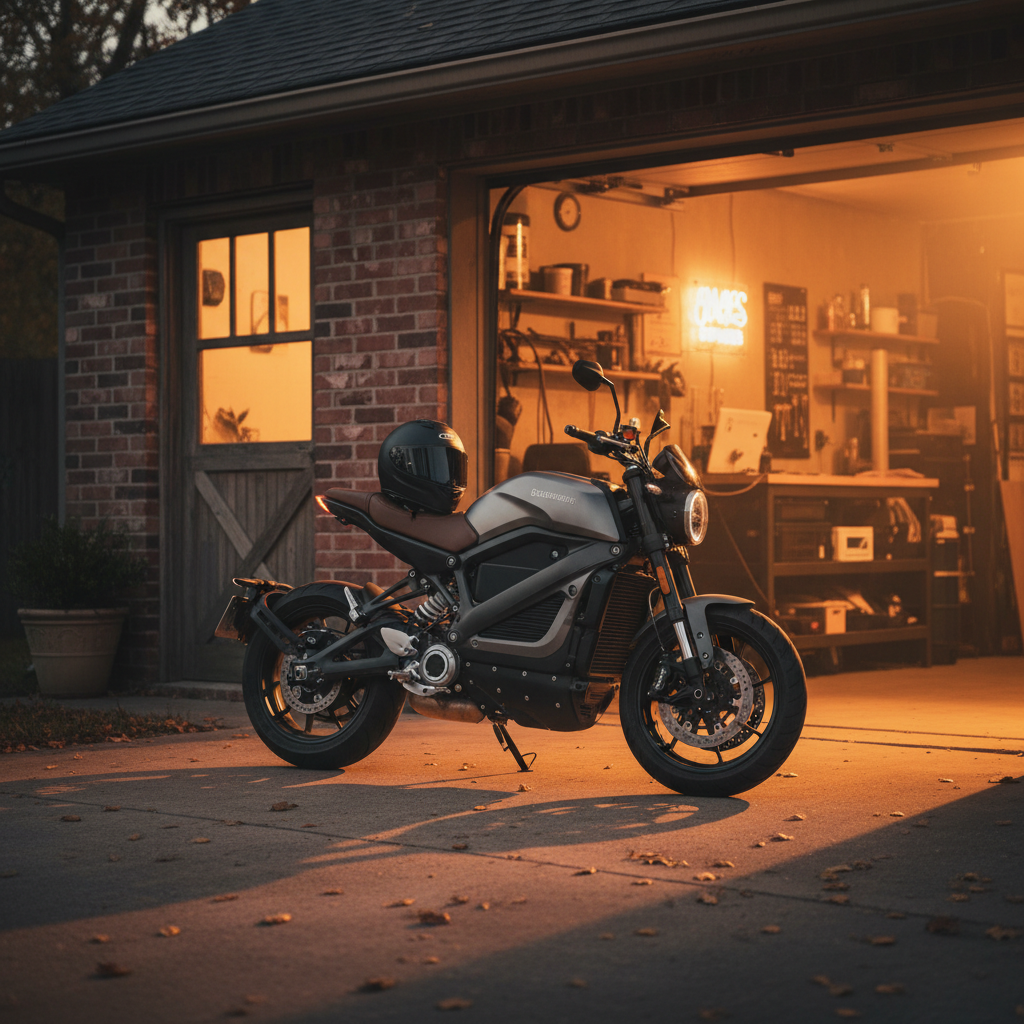
The make and model of your vehicle significantly dictate which carriers will offer a policy and at what rate. Established manufacturers like Zero Motorcycles and Harley-Davidson LiveWire benefit from having standard 17 digit Vehicle Identification Numbers (VINs) that are recognized by mainstream insurers. These bikes are built to Federal Motor Vehicle Safety Standards, making it easy for underwriters to pull data on safety ratings and historical repair costs. Because these brands are staples in the EV market, finding comprehensive electric motorcycle insurance through traditional channels is usually efficient.
The landscape becomes more complex with gray area bikes like the Surron Light Bee X or Talaria Sting. While these machines offer high performance, they often blur the line between off-road recreational vehicles and street-legal mopeds. Many mainstream providers hesitate to cover these models if they lack factory-installed signals or mirrors, or if they are not listed in standard valuation databases. In these cases, you may need a specialized policy that classifies the ride as an off-road vehicle or a custom moped, depending on how it is registered in Texas. Operating a Surron on Dallas streets without proper classification can lead to a denied claim if the insurer determines the vehicle was used outside its intended category.
Custom electric builds and conversion kits present the greatest challenge. Without a standard VIN, insurers struggle to establish a replacement value, often leaving the rider underinsured. If you are operating a custom build in the Dallas area, it is vital to document all component costs and labor. You can learn how our comparison process works to identify carriers that specialize in non-standard VINs or agreed-value policies. For riders on established platforms, you can get a specialized insurance quote to compare rates across standard and niche providers immediately. Reviewing a detailed electric motorcycle insurance guide can also help you understand how to document custom builds for valuation purposes.
How Much Does Electric Motorcycle Insurance Cost?
Budgeting for electric motorcycle insurance requires balancing the higher purchase price of the vehicle against its specific technical risk profile. For a standard street-legal model, basic liability coverage in Texas typically ranges from $15 to $50 per month. Riders seeking full coverage, which includes essential collision and comprehensive protection for the battery and powertrain, should expect premiums between $75 and $150 monthly. These figures fluctuate based on the bike’s kilowatt output; a high-performance motor with a 100 kW rating carries higher risk and replacement costs than a commuter-oriented 11 kW unit.
Regional variables also play a significant role in your final rate. A rider in high-traffic Dallas zip codes like 75201 or 75206 will likely pay more than someone in rural East Texas because of the increased probability of urban accidents and theft. To help mitigate these costs, many carriers offer green vehicle or alternative fuel discounts that can reduce premiums by 5% to 10%.
Coverage Level | Estimated Monthly Cost | Primary Influencing Factors |
|---|---|---|
Basic Liability | $15 - $50 | Age, driving record, zip code |
Full Coverage | $75 - $150+ | Bike MSRP, battery value, kW output |
Identifying the most competitive rate requires comparing providers that specialize in electric powertrains. You can learn how our comparison process works to see how we filter for specific EV discounts. For a precise estimate based on your riding history and local zip code, get a specialized insurance quote today. Consult our electric motorcycle insurance guide for more tips on lowering your annual expenses.
Choosing the right insurance for an electric motorcycle requires understanding how specialized components and repair costs differ from traditional gas bikes. While the basic principles of coverage remain familiar, the technical nuances are significant. If you want expert help navigating these specific requirements, we are here to simplify the process for you. You can see how it works to learn more about our approach to tailored protection. We aim to ensure your transition to electric power is as seamless and secure as possible.