California law does not require registration or electric scooter insurance california for e-bikes and motorized scooters, as these are typically regulated like standard bicycles. In contrast, electric motorcycles must be registered and carry liability insurance just like traditional gasoline-powered bikes. Operators of high-speed electric motorcycles must also obtain an M1 license to remain compliant with state vehicle codes.
Navigating the evolving regulatory landscape of California micromobility often feels like deciphering a complex legal puzzle. For many riders, the distinction between a motorized scooter, an electric bicycle, and a light motorcycle remains dangerously unclear until a liability claim or a theft occurs. While the state might not always mandate a policy for every low-speed device, the financial risk of operating on busy coastal roads or congested city streets remains high. At Electric Ride Insurance, we understand that professional-grade protection is about more than just checking a box; it is about securing your investment and your personal liability. This comprehensive guide clarifies California specific regulations, breaks down the legal requirements for Class 1, 2, and 3 e-bikes, and explains exactly when your electric ride requires a formal insurance policy to stay street legal and fully protected.
Understanding California Electric Ride Regulations
California leads the nation in green transit initiatives, yet the regulatory landscape for micro-mobility remains intricate. The California Department of Motor Vehicles (DMV) categorizes electric rides based on their mechanical capabilities and top speeds, creating a hierarchy that dictates insurance obligations. Understanding where your vehicle fits is the first step toward both legal compliance and personal safety.
The state identifies three primary categories: - Electric Bicycles: Divided into three classes, these are generally treated like traditional bicycles but have specific speed and age restrictions. - Motorized Scooters: These are standing platforms with handlebars and electric motors. - Electric Motorcycles: This broad category includes mopeds and motor-driven cycles, which fall under the strictest regulatory oversight.
Insurance laws vary significantly depending on how many wheels your ride has and how fast it can travel. A key distinction exists between a legal requirement and financial protection. Even if a vehicle does not require a license plate, riders often seek e-scooter insurance info or an electric motorcycle insurance guide to mitigate risks. While the state may not mandate electric scooter insurance california for every rider, the liability associated with an accident on a crowded city street remains a serious financial reality. Before you get an insurance quote, it is essential to review the specific e-bike insurance info that applies to your ride's class.
Do You Need Insurance for an Electric Scooter in California?
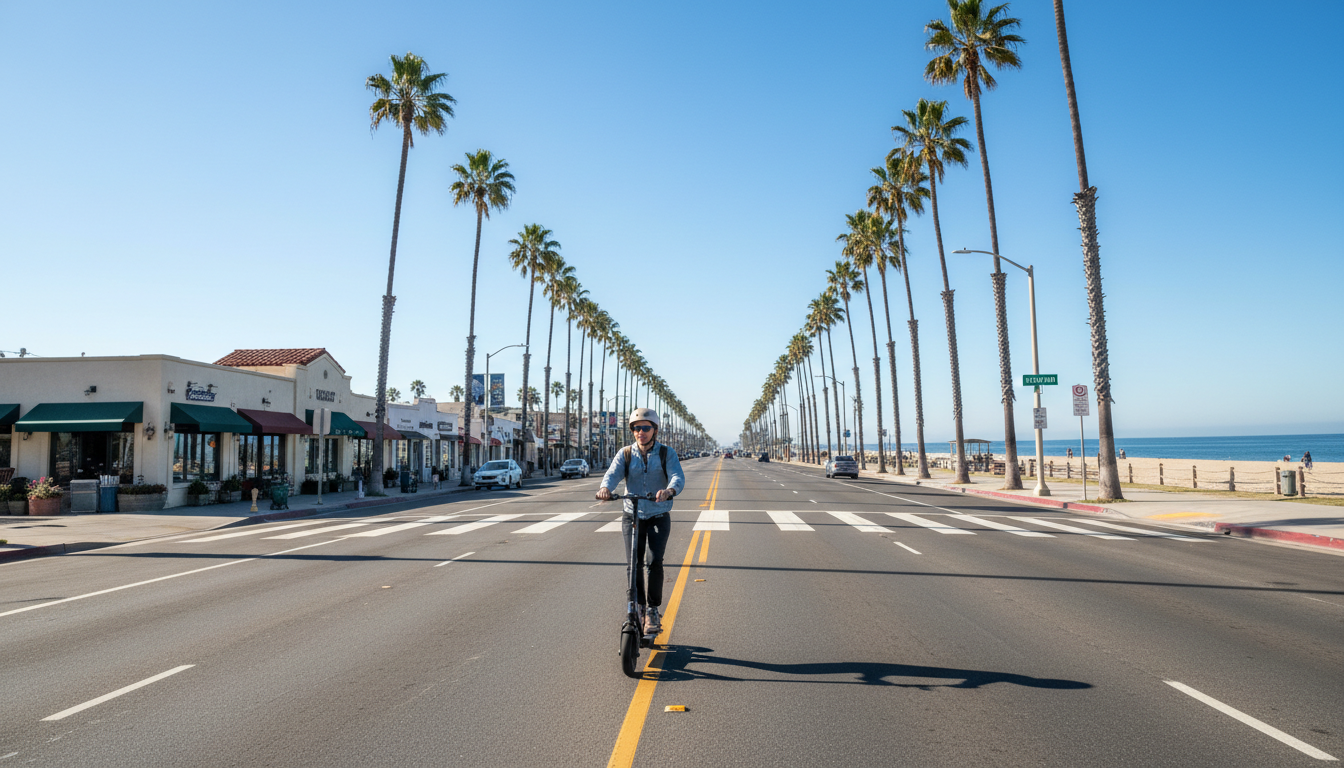
California law provides a specific, relatively lenient framework for motorized scooters, defined as standing platforms with two wheels and handlebars. According to the California DMV, these vehicles do not legally require liability insurance, a license plate, or formal registration. This lack of a mandate often leads riders to assume they are entirely unregulated, but several operational requirements remain strictly enforced.
To operate a motorized scooter legally on California public roads, you must possess a valid driver’s license or instruction permit from any class. Furthermore, California Vehicle Code stipulates that scooters cannot exceed 15 mph and are generally prohibited from sidewalks. Riders must stick to bike lanes or roads with a speed limit of 25 mph or lower. Local municipalities, particularly in dense urban centers like Los Angeles or San Francisco, often implement their own ordinances that may be stricter than state law, particularly regarding parking and riding in pedestrian-heavy zones.
While the state does not force you to carry electric scooter insurance california, the financial reality of riding in traffic is complex. Most standard auto insurance policies and homeowners insurance agreements exclude coverage for motorized scooters. If you are involved in a collision with a pedestrian or a parked car in Santa Monica, you are personally liable for damages. Given the high rates of theft and the litigious nature of urban accidents, seeking specialized e-scooter insurance info is a pragmatic step to protect your assets, even when the DMV does not require it.
California E-Bike Laws and Insurance for Class 1, 2, and 3
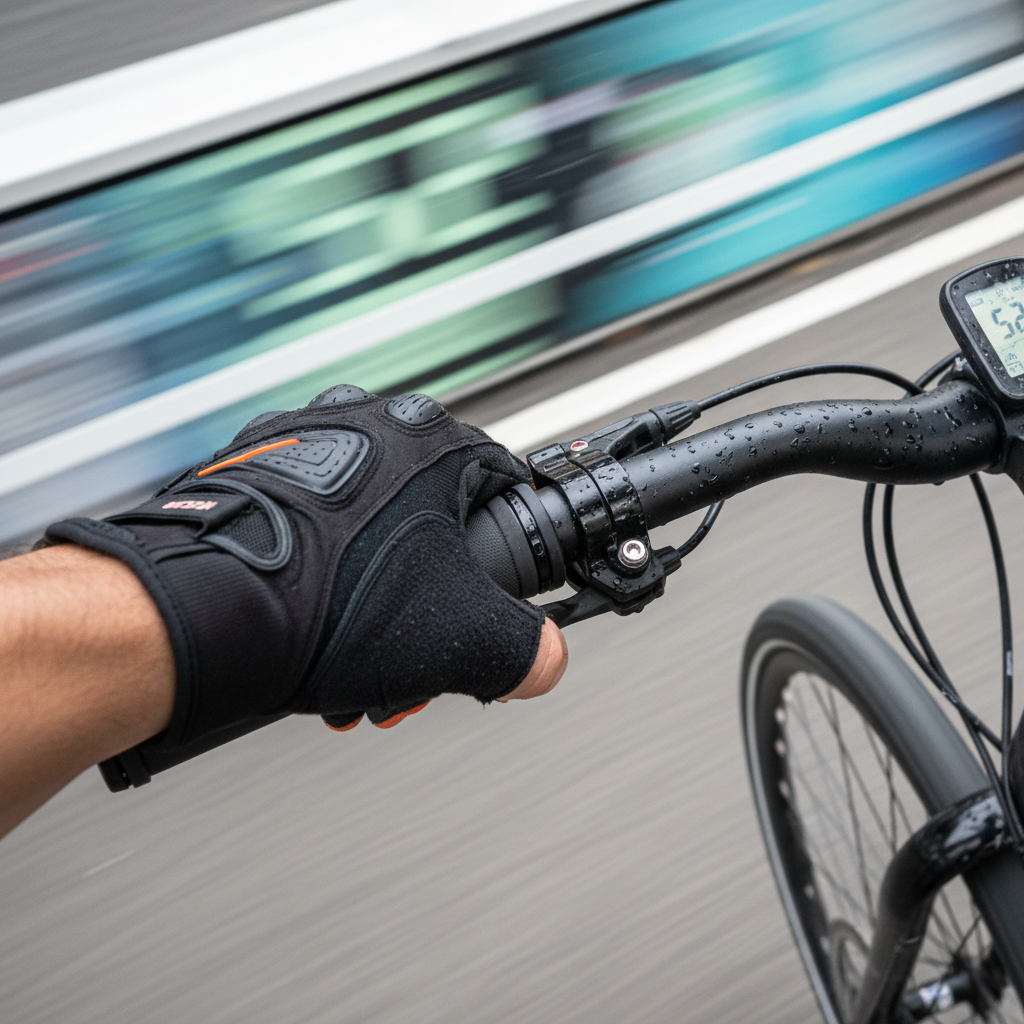
California utilizes a three-tier classification system for electric bicycles, which serves as a model for many other states. This system dictates operational limits and safety requirements, though it also creates significant insurance nuances that riders often overlook when navigating the state's roadways.
Class | Assist Type | Max Speed | CA Age Minimum | Insurance Required |
|---|---|---|---|---|
Class 1 | Pedal-assist only | 20 mph | None | No |
Class 2 | Throttle or pedal | 20 mph | None | No |
Class 3 | Pedal-assist only | 28 mph | 16+ | No |
Class 1 and Class 2 e-bikes are legally treated as traditional bicycles. You do not need a license, registration, or a state-mandated insurance policy to operate them on public roads or designated bike paths. Class 3 e-bikes, however, are subject to more stringent oversight due to their higher speed capabilities. In addition to the 16-year-old age requirement, all Class 3 riders must wear a helmet. These bikes are frequently barred from certain multi-use paths and are strictly prohibited from wilderness trails within California State Parks to preserve trail integrity and hiker safety.
The lack of a legal mandate for insurance does not equate to a lack of financial risk. A common trap for California riders involves the gray area of homeowners or renters insurance. While these policies typically cover standard bicycles, they often contain exclusions for motorized land vehicles. Because a Class 3 e-bike can reach 28 mph, many carriers view it as a motor vehicle rather than a bicycle. This means that if your bike is stolen from a garage or if you cause an accident on a busy street, your standard property insurance may deny the claim.
Seeking specialized e-bike insurance info is the most effective way to bridge this gap. Even if you initially started your search for electric scooter insurance california to cover a standing ride, ensuring your e-bike has dedicated liability and theft protection is a vital step. Before you get an insurance quote, verify that your policy explicitly covers the specific class of e-bike you own to avoid costly out-of-pocket expenses following a collision or theft.
Electric Motorcycle Insurance in California: When It Is Mandatory
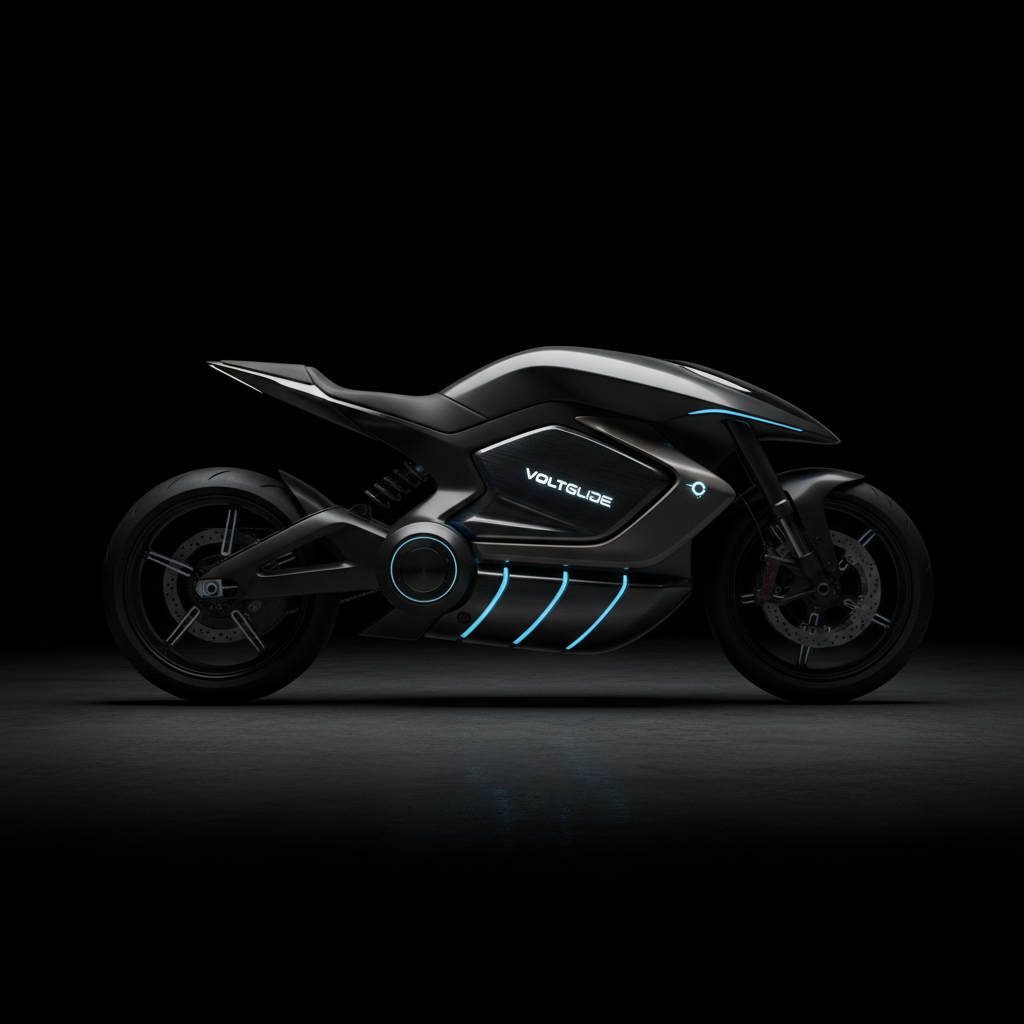
Transitioning from electric bicycles to electric motorcycles involves a significant shift in legal status. While Class 3 e-bikes occupy a regulatory gray area, electric motorcycles and mopeds are strictly classified as motor vehicles. This means they are subject to the same registration, licensing, and financial responsibility requirements as any gasoline-powered vehicle on California roads.
The California DMV distinguishes between two specific categories that riders often confuse. A motorized bicycle, or moped, is a two or three wheeled device with a motor producing less than 4 gross brake horsepower and a top speed of 30 mph. These require an M1 or M2 license. In contrast, a motor-driven cycle is an electric motorcycle with a motor that produces less than 15 brake horsepower and typically lacks pedals. Operating a motor-driven cycle requires a full M1 motorcycle license and valid state registration.
To be street-legal, riders must carry California’s minimum liability insurance, often referred to as 15/30/5 coverage.
Coverage Type | California Minimum Mandate |
|---|---|
Bodily Injury Liability (Per Person) | $15,000 |
Bodily Injury Liability (Per Accident) | $30,000 |
Property Damage Liability | $5,000 |
Meeting these minimums satisfies the law, but it provides zero protection for your own vehicle. Given the high volume of traffic and the number of uninsured drivers in California, adding uninsured motorist coverage is a critical safeguard. If you are involved in a collision with an at-fault driver who lacks insurance, this coverage ensures your medical bills and bike repairs are handled. Whether you initially researched electric scooter insurance california or are moving up to a high-speed commuter, consulting a dedicated electric motorcycle insurance guide is essential. Before you get an insurance quote, ensure your policy meets these state thresholds while providing the specific protections required for high-powered electric drivetrains.
Why California Riders Opt for Coverage Even When It Is Not Required

Operating within the legal minimums satisfies the DMV, but it leaves a significant gap between regulatory compliance and true financial security. In California urban centers like San Francisco, Los Angeles, and San Diego, the high frequency of micro-mobility theft presents a constant threat to owners of high-end equipment. A standard homeowners or renters policy often treats a motorized ride as a specialized vehicle, applying low sub-limits or total exclusions that leave you underinsured if your ride is stolen from a garage or bike rack. Dedicated coverage ensures the replacement cost of your investment is protected without the complication of a high property insurance deductible.
Personal liability represents an even greater financial risk. Consider the density of pedestrian traffic on the Santa Monica boardwalk or the busy streets of downtown San Jose. If a rider causes a collision that results in a pedestrian injury, the legal and medical costs can easily exceed tens of thousands of dollars. Without specialized electric scooter insurance california, the rider is personally responsible for these damages, putting personal savings and future wages at risk. This is where e-scooter insurance info becomes vital; it details how liability limits can shield your assets from the fallout of a momentary accident.
Many riders also prioritize Medical Payments (MedPay) coverage to protect their own physical well-being. Even if you are not at fault, a spill caused by road debris or a distracted driver can result in expensive emergency room visits. MedPay can cover health insurance deductibles and out-of-pocket medical expenses immediately following an incident. Reviewing e-bike insurance info helps riders understand how these benefits function alongside existing health plans. Before you get an insurance quote, consider how these layers of protection transition your ride from a liability gamble into a secured asset.
How to Find the Best Electric Scooter Insurance in California
Moving from understanding risks to securing a policy requires a methodical approach to comparison. Begin by auditing your ride’s specific replacement value and your typical commuting environment. When evaluating electric scooter insurance california, look beyond basic liability; prioritize policies that explicitly include theft and transit damage. These specific coverages are often missing from standard homeowners riders, leaving you vulnerable during transport or parking.
We specialize in connecting riders with agencies that understand micro-mobility, a nuance many general insurers fail to grasp. Before you get an insurance quote, investigate multi-policy discounts. If you already hold an auto or renters policy in California, bundling your electric ride can often reduce the total premium. Reviewing our e-scooter insurance info or e-bike insurance info helps you identify which providers offer the most robust transit protection. For those moving into higher speed categories, our electric motorcycle insurance guide outlines the specific carrier requirements for M1-licensed riders to ensure both legal and financial protection.