
Electric ride insurance coverage primarily consists of liability protection, collision coverage, and comprehensive plans that protect against theft or environmental damage. Many policies also offer specialized options like medical payment coverage and uninsured motorist protection; these specific requirements often depend on the vehicle's classification and state laws.
Most electric ride enthusiasts assume their existing homeowners or renters policies provide a safety net for their e-bikes or scooters, yet they often discover the hard way that these standard agreements frequently exclude motorized vehicles. This gap leaves you exposed to significant financial loss; whether through a collision, theft, or a third party liability claim, the lack of tailored coverage can be devastating. Understanding the intricacies of specialized insurance is no longer optional for serious owners; it is a fundamental part of responsible ownership in an increasingly complex regulatory landscape. In this guide, we will break down the essential components of a robust policy, including the critical distinctions between liability protection and collision coverage. You will also learn why Personal Injury Protection is vital for riders and how specialized add-ons for batteries and accessories ensure your high value investment is fully shielded.
The Foundation of Electric Ride Insurance Coverage: Liability Protection
Liability insurance serves as the non-negotiable foundation for any rider navigating the streets of Dallas or the broader U.S. landscape. This coverage is designed to protect your personal assets by addressing the financial consequences of an accident where you are determined to be at fault. It is structured into two distinct components:
Bodily Injury Liability: This pays for the medical bills, rehabilitation costs, and lost wages of other individuals, such as pedestrians or other cyclists, involved in an accident you caused.
Property Damage Liability: This covers the costs to repair or replace another person's vehicle, stationary property, or public infrastructure damaged during a collision.
In Texas, the law requires specific minimum liability limits for standard motor vehicles, currently set at $30,000 for bodily injury per person, $60,000 per accident, and $25,000 for property damage. However, electric scooters and e-bikes often fall into a regulatory gray area. Standard auto insurance policies typically exclude vehicles with fewer than four wheels or those that do not meet specific engine displacement or weight requirements, leaving many riders vulnerable. Securing specialized electric ride insurance coverage ensures you meet financial obligations that a standard auto or umbrella policy might ignore.
A frequent misconception among new owners is the belief that a basic liability policy covers their own losses. It is vital to understand that liability insurance is exclusively for the benefit of third parties. It provides zero compensation for your own medical expenses or the physical damage to your equipment. Understanding how electric ride insurance works is the first step in recognizing that while liability is the legal and ethical starting point, it is only one piece of a comprehensive safety net for the modern rider.
Protecting Your Investment: Collision and Comprehensive Coverage
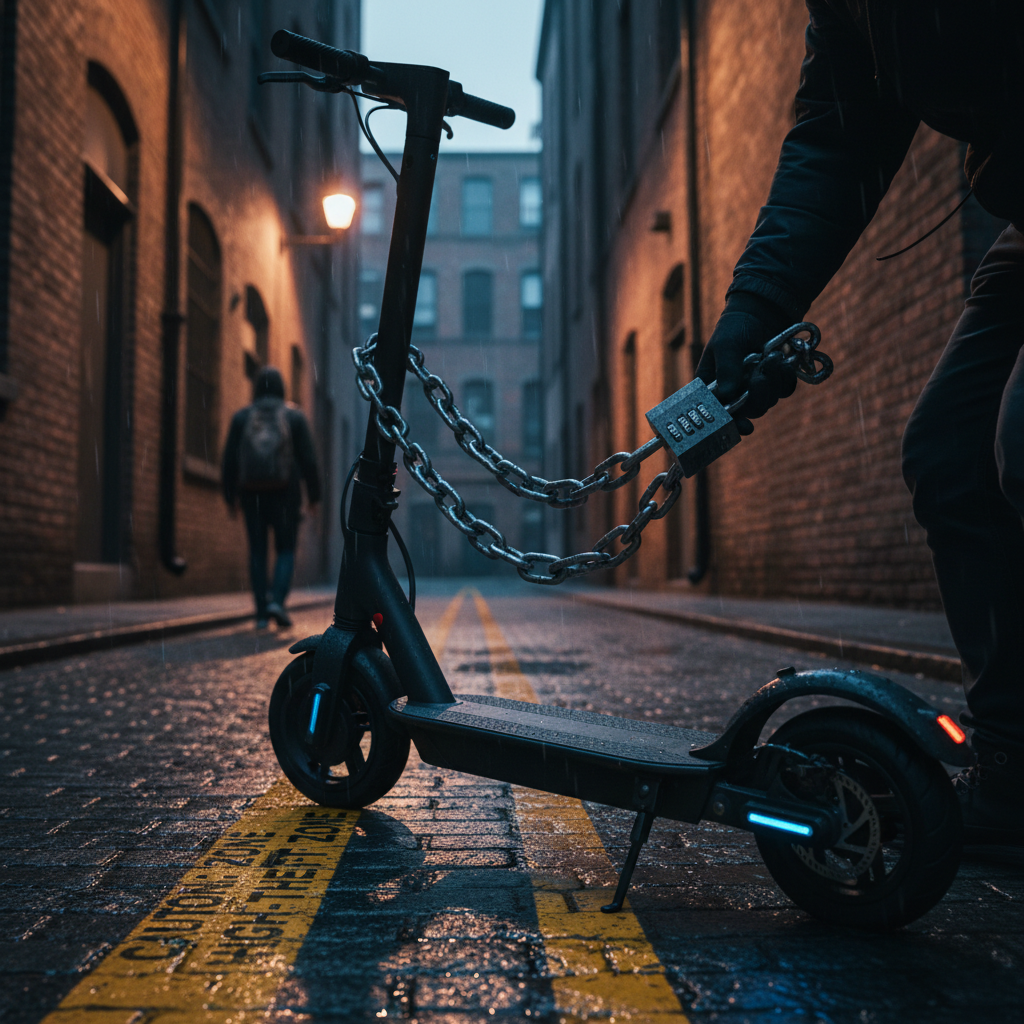
Moving beyond third-party protection requires looking at physical damage coverage for your own vehicle. Collision coverage handles repair or replacement costs if your scooter or bike hits another vehicle or a stationary object, such as a curb, bollard, or fence. This protection applies regardless of who is at fault for the impact. For riders navigating the dense traffic of the Dallas Arts District or Uptown, collision coverage provides a vital financial backstop against sudden repair bills that often exceed several thousand dollars for high-end electric models.
Comprehensive coverage addresses risks that occur outside of a standard collision. It is frequently referred to as "other than collision" coverage because it protects against non-traffic incidents. In North Texas, this is especially relevant due to unpredictable weather patterns, including severe hail storms, flash flooding, and falling tree limbs during high winds. When evaluating various e-bike insurance options, comprehensive is the component that guards against these environmental hazards as well as vandalism and fire.
A frequent question for urban owners is: Does insurance cover e bike theft? The answer is generally yes, provided you have comprehensive coverage included in your electric ride insurance coverage. Theft is one of the primary non-collision events covered by this policy type. However, it is important to note that a basic liability-only plan will not reimburse you if your ride is stolen from a public rack or a private garage. Securing specific electric scooter coverage through a standalone policy ensures that the actual cash value of your investment is protected, minus your chosen deductible, rather than leaving you to pay out of pocket for a total loss.
Medical Payments vs Personal Injury Protection: What Riders Need
While physical damage coverage protects the hardware, riders must prioritize their own physical recovery and the financial consequences of an injury. Medical Payments (MedPay) serves as a specialized supplement designed to pay for the rider’s and passenger’s medical bills regardless of who is at fault for the accident. This coverage typically addresses immediate costs such as ambulance fees, emergency room visits, and X-rays, ensuring that out of pocket expenses remain manageable during the initial stages of recovery.
Personal Injury Protection (PIP) offers a more robust layer of security compared to MedPay. While MedPay is strictly limited to medical expenses, PIP can cover a broader range of financial losses. The following table highlights the primary differences between these two medical coverage options:
Feature | Medical Payments (MedPay) | Personal Injury Protection (PIP) |
|---|---|---|
Medical Expenses | Covered | Covered |
Lost Wages | Not Covered | Covered |
Service Replacement (e.g., childcare) | Not Covered | Often Covered |
Funeral Expenses | Limited Coverage | Robust Coverage |
Fault Requirement | No-Fault | No-Fault |
Because electric bike and scooter riders lack the protective shell of a traditional vehicle, they face significantly higher physical vulnerability. A minor collision that results in a simple dent for a car can lead to major orthopedic injuries or lost income for a rider. The availability and terms for these benefits vary significantly by state and by individual carrier. In many cases, standard e-bike insurance options might default to lower limits, while specialized electric scooter coverage could offer higher tiers of PIP. Given these variables, using a comparison tool is vital for finding electric ride insurance coverage that provides a sufficient medical safety net without overcharging for unnecessary limits.
The Safety Net: Uninsured and Underinsured Motorist Coverage
While MedPay and PIP address your immediate medical needs, they may not cover the full extent of a catastrophic accident caused by another party. Uninsured Motorist (UM) and Underinsured Motorist (UIM) coverage acts as a critical safety net when the at-fault driver lacks sufficient policy limits. In a densely populated urban environment like Dallas, the risk of encountering a driver without active insurance is a statistical reality despite state mandates.
Consider a scenario where you are navigating a busy intersection near Deep Ellum on a high-end commuter bike. A vehicle fails to yield, strikes you, and immediately flees the scene. In a hit and run, or a collision with a driver who only carries the state minimum $30,000 liability limit, your medical bills and equipment replacement costs could easily exceed the available funds. UM/UIM coverage steps in to bridge this financial gap. It ensures that your electric ride insurance coverage provides the compensation you would have received from the other driver's insurance had they been properly covered. This is particularly vital for urban commuters using electric scooter coverage to navigate service roads near the Central Expressway, where high speed traffic increases the severity of potential impacts. Without this protection, you are left to rely solely on your health insurance or personal savings to cover long term rehabilitation and property loss. Evaluating e-bike insurance options that include these specific protections is essential for riders operating in high traffic zones where the margin for error is slim.
Specialized Add-ons: Batteries, Accessories, and Roadside Assistance
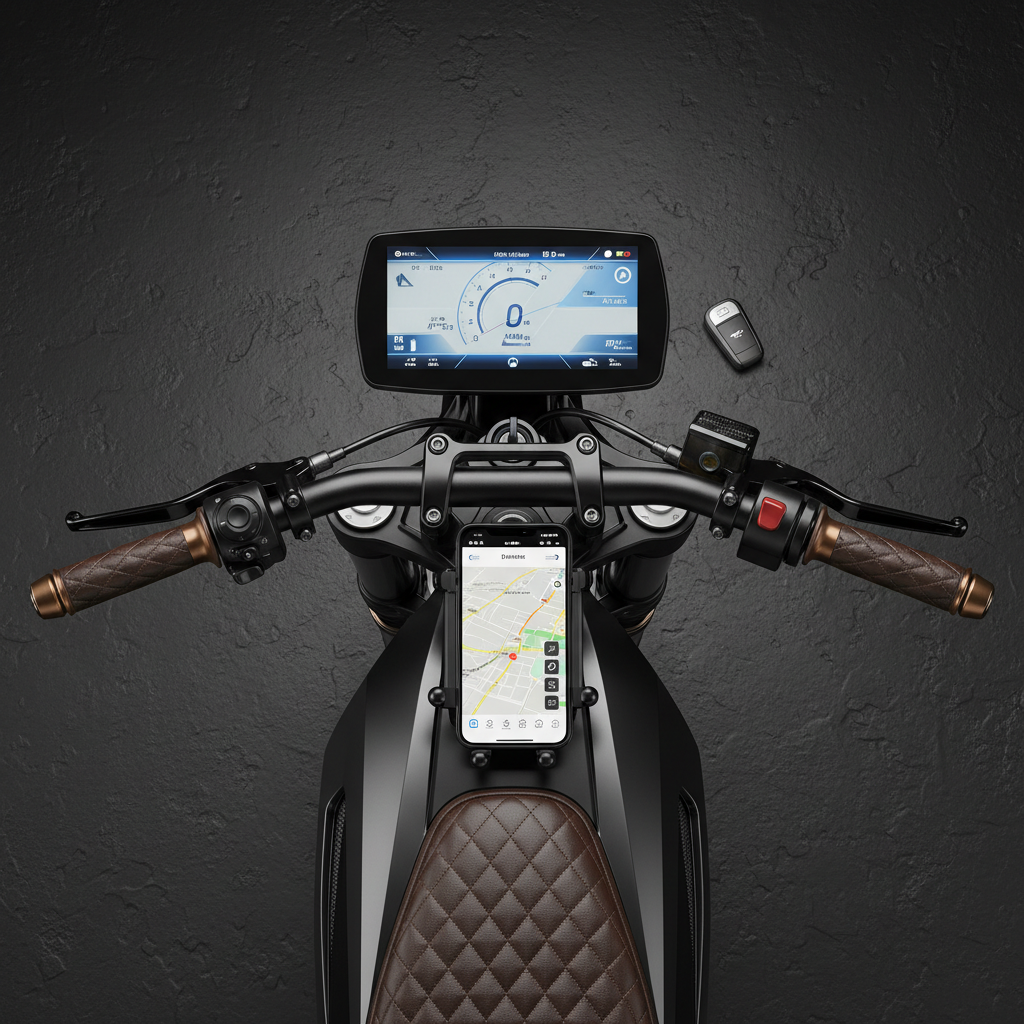
Beyond the standard pillars of liability and collision, specialized add-ons address the unique hardware risks inherent to electric vehicles. A frequent concern for owners is the longevity and replacement cost of the power source. Specifically, does insurance cover battery replacement? While a standard auto or homeowners policy typically excludes battery failure or degradation, specialized electric ride insurance coverage often includes riders for expensive lithium-ion batteries. These provisions can protect you against total loss due to electrical surges or internal malfunctions that occur outside of a typical accident.
Customization is another area where standard policies fall short. Riders often invest heavily in aftermarket lighting, phone mounts, custom grips, or storage systems. Specialized e-bike insurance options allow you to add Custom Parts and Equipment (CPE) coverage. This ensures that your investment in accessories, which can range from $3,000 to $30,000 in value, is fully reimbursed if the bike is damaged or stolen.
Roadside assistance also requires a specific approach for electric platforms. Unlike traditional cars that might need a jump-start or a gallon of gas, a disabled e-bike or scooter usually requires specialized transport. Electric scooter coverage often features roadside labor and towing that understands the logistics of micro-mobility. This service typically includes transporting the vehicle back to your home or to a qualified repair shop if you experience a flat tire, mechanical failure, or a depleted battery mid-ride. Understanding how electric ride insurance works in these niche scenarios prevents small mechanical setbacks from becoming major financial burdens.
Why Homeowners and Renters Insurance Usually Falls Short

Relying on a standard homeowners or renters policy to protect a high-performance electric vehicle is a common mistake that leaves many riders financially exposed. While these policies offer a safety net for general personal property, they are not designed for the specific risks of micro-mobility. Most residential policies contain strict exclusions for any motorized land vehicle designed for use on public roads. If your ride is a Class 3 e-bike capable of reaching 28 mph or a high-power electric scooter, it likely exceeds the speed and power thresholds defined in your policy, rendering your liability coverage void the moment you leave your driveway.
Specialized electric ride insurance coverage provides the dedicated liability limits necessary for urban commuting, whereas home policies often cap off-premises property coverage at a fraction of the vehicle's actual value. For example, a standard renters policy might limit payout for theft to $1,500 or less. This is significantly lower than the replacement cost of a premium electric motorcycle or a long-range commuter bike. Furthermore, home insurance theft protection often requires evidence of forced entry from a secured location; this provides no recourse if your bike is stolen from a public rack in the Dallas Arts District or a parking garage in Deep Ellum.
By exploring specialized e-bike insurance options, you secure protection that follows the vehicle regardless of where it is parked. Dedicated electric scooter coverage ensures that high-end components and high-speed capabilities do not trigger the motorized vehicle exclusions that make traditional home policies a risky gamble for modern riders. Understanding how electric ride insurance works reveals that only a standalone policy can provide the specific peril protections and higher liability ceilings required for the unique profile of electric transport.